Headaches, congestion, sinus pressure...whatever your symptoms, sinus issues are unpleasant. Fortunately, there are certain foods for sinus infections that have immune-supporting nutrients to help ease those symptoms.
Your sinuses are pockets located along your eyes, nose, cheekbones and forehead, according to Harvard Health Publishing. Mucous membranes line these cavities and produce phlegm that filters out incoming bacteria.
Video of the Day
Video of the Day
This mucus usually drains out of your nose. But colds, respiratory infections, allergies, nasal polyps or a deviated septum can cause your nasal passages to become inflamed and swollen, per Harvard Health Publishing. Those blocked sinuses can cause a buildup of bacteria-filled mucus, which can in turn lead to a sinus infection.
In September 2023, the U.S. Food and Drug Administration looked into the use of oral phenylephrine as a nasal decongestant, and concluded that it may not be effective. However, you can typically fight at least some of the symptoms of a sinus infection with over-the-counter decongestants, cold and allergy medicines, according to the Cleveland Clinic. Drinking plenty of fluids and eating a balanced diet can also help your body cope with illness.
But what exactly should you eat when you have a sinus infection? While food alone can't cure sinus infections, certain ingredients may help relieve some of your symptoms. Below, browse six foods to munch on when you're under the weather, plus which foods to limit or avoid.
Tip
If your sinus infection symptoms don't improve after 10 days, it's time to visit your doctor, per the Cleveland Clinic. They can help determine if your infection is the result of an underlying condition, and may prescribe antibiotics or nasal sprays.
1. Water
Getting plenty of fluids is a top priority when dealing with a sinus infection, according to the Cleveland Clinic.
For starters, drinking enough water is essential for your overall wellbeing: It helps flush waste from your body, regulate your temperature and keep your tissues and organs functioning properly, according to the American Academy of Family Physicians (AAFP).
When it comes to sinus infections in particular, staying fully hydrated can also help thin mucus and reduce congestion, per the Mayo Clinic. Just make sure to stick to water or other hydrating fluids like herbal tea rather than caffeinated or high-sugar drinks like coffee or soda, per the AAFP.
Hydration needs vary from person to person, so this equation can help you determine how much water you should drink per day:
- Body weight (in pounds) ÷ 2 = minimum ounces of water you should drink a day
Is Orange Juice Good for Sinus Infections?
While orange juice can be hydrating, it's best to skip it (and most other juices) when you have a sinus infection because it's often high in added sugars, which can contribute to inflammation in your sinuses and beyond, according to Harvard Health Publishing.
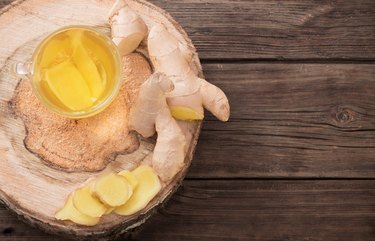
2. Ginger
Ginger is another one of the best foods for a sinus infection, especially if allergies are causing your sinus problems.
In fact, an April 2020 study of 80 people in BMC Complementary Medicine and Therapies found that taking 500 milligrams of ginger extract every day eased allergy symptoms like congestion and runny nose as effectively as taking 10 milligrams of a drug called loratadine (also known as Claritin).
This may be in part due to ginger's antibacterial properties, according to a July 2014 review in the International Journal of Physiology, Pathophysiology and Pharmacology.
If you don't have ginger extract on hand, try cooking with the herb or brewing ginger tea instead. While eating ginger may not have the same effects as taking extract, which is what the research studied, there is anecdotal evidence that it can help with sinus infection symptoms, per the Cleveland Clinic. Ginger juice (without added sugars) may also be one of the best juices for a sinus infection.
3. Garlic
Another one of the best foods to clear your sinuses? Garlic.
Chopped or crushed garlic releases allicin, a substance that may have antibacterial and antimicrobial effects that fight against viruses, per the American Society for Microbiology.
These antibacterial abilities may help relieve sinus issues, colds and mucus buildup, though more research is needed to better understand how garlic can treat these problems, according to the University of Rochester Medical Center.
4. Onions
Onions — which are in the same family as garlic — may have similar antibacterial effects, according to December 2019 research in Antibiotics.
The vegetable likewise contains allicin, per the Linus Pauling Institute, which may help treat sinus infection symptoms like congestion.
5. Colorful Fruits and Vegetables
Certain compounds in brightly colored fruits and vegetables — like carotenoids and flavonoids — may have anti-inflammatory and antioxidant effects that help your body function at its best and may even defend against infection, according to May 2013 research in Advances in Nutrition.
Per Harvard Health Publishing, these anti-inflammatory foods include:
- Strawberries
- Blueberries
- Cherries
- Oranges
- Tomates
- Spinach
- Kale
- Collard greens
6. Spicy Foods
Spicy foods may also be good to eat when you have a sinus infection.
That's because capsaicin — the active compound in chili peppers — may help thin your mucus so it drains out of swollen airways more easily, which can relieve non-allergic symptoms like congestion, per a July 2015 review in the Cochrane Database of Systematic Reviews.
Is Oatmeal Good for Sinus Infections?
There's no evidence to suggest that oatmeal can effectively relieve sinus infections.
That said, oatmeal is a bland food that may be easier to stomach when you're feeling under the weather. Just be sure to steer clear of processed oatmeals that contain added sugars, which can contribute to inflammation, according to Harvard Health Publishing.
Foods to Avoid
While some foods are good to eat when you have a sinus infection, others may not do you any favors.
Here are the foods that are best left out of your sinus infection diet:
- Dairy products like milk, which may contribute to more nasal mucus, per a January 2019 study in The Laryngoscope.
- Foods high in added sugars like baked goods, candy and condiments, according to June 2013 research in Otolaryngologic Clinics of North America.
- Foods high in trans and saturated fats — like cheese, red meat and baked goods — can contribute to the inflammation behind a sinus infection, per the Linus Pauling Institute.
- Refined carbohydrates like those in white bread and pastries, which can likewise promote inflammation, according to Harvard Health Publishing.
- Linus Pauling Institute: "Nutrition and Inflammation"
- Linus Pauling Institute: "Garlic and Organosulfur Compounds"
- The Laryngoscope: "Effect of a dairy diet on nasopharyngeal mucus secretion"
- Otolaryngologic Clinics of North America: "Complementary and Integrative Treatments"
- Harvard Health Publishing: "Foods that fight inflammation"
- Cleveland Clinic: "Sinus Infection (Sinusitis)"
- Mayo Clinic: "Cold remedies: What works, what doesn't, what can't hurt"
- American Academy of Family Physicians: "Hydration: Why It’s So Important"
- BMC Complementary Medicine and Therapies: "Ginger extract versus Loratadine in the treatment of allergic rhinitis: a randomized controlled trial"
- International Journal of Physiology, Pathophysiology and Pharmacology: "Active ingredients of ginger as potential candidates in the prevention and treatment of diseases via modulation of biological activities"
- American Society for Microbiology: "Old Wives’ Tales and Garlic as an Antibiotic: Are Microbial Myths Fact or Fiction?"
- University of Rochester Medical Center: "Garlic"
- Antibiotics: "Food Safety through Natural Antimicrobials"
- Harvard Health Publishing: "What to do about sinusitis"
- Cochrane Database of Systematic Reviews: "Capsaicin for non‐allergic rhinitis"
- Advances in Nutrition: "Health-Promoting Components of Fruits and Vegetables in the Diet"
- Harvard Health Publishing: "The sweet danger of sugar"
- Cleveland Clinic: "The Best Teas to Drink for Your Health"
- U.S. Food and Drug Administration: "FDA Clarifies Results of Recent Advisory Committee Meeting on Oral Phenylephrine"
Is this an emergency? If you are experiencing serious medical symptoms, please see the National Library of Medicine’s list of signs you need emergency medical attention or call 911.