















































Herpes can manifest as Herpes genitalis or Herpes simplex, more commonly referred to as cold sores. It is an infectious and recurrent viral disease, and it may be caused by stress, immune deficiency, local irritation, diet, or vitamin deficiency. If you are suffering from recurrent infections, consult with your health care practitioner and consider modifying your diet in order to support your body in the prevention and treatment of herpes.
Avoid L-arginine
L-arginine is an amino acid, and an excess of it in the diet is often connected to herpes outbreaks. Dr. Ross Trattler, N.D., in "Better Health through Natural Healing," recommends avoiding arginine-rich foods such as chocolate, peanuts, peanut butter, seeds, cashews, almonds, pecans, peas, garlic and wheat.
Consume L-lysine
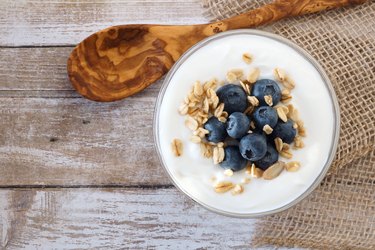
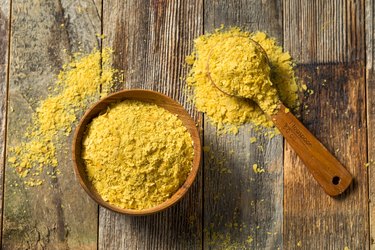
L-lysine is also an amino acid and, according to Dr. Trattler, it is the antidote to L-arginine and helps to decrease the absorption of L-arginine in the body. Trattler recommends increasing your consumption of foods containing L-lysine, such as brewers yeast, dairy products, potatoes, meat and eggs. Phyllis Balch, in her book "Prescription for Nutritional Healing," notes that when the amount of lysine present in the body is higher than the amount of arginine, the growth of herpes becomes inhibited.
Supplements
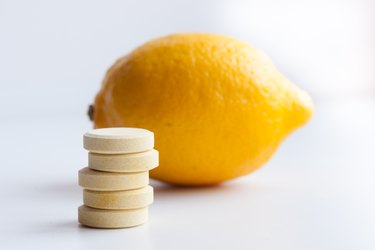
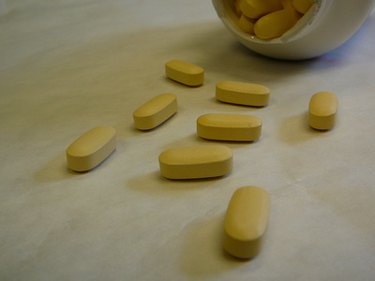
Dr. Trattler recommends taking 2000 mg of lysine a day when herpes symptoms are present, stating that it can reduce pain, shorten duration, lengthen the remission time and decrease frequency. Also, you should take a daily dose of 500 to 1000 mg of lysine when you are free of symptoms as a preventative measure. For best results, Balch recommends that you take lysine supplements with 50 mg of vitamin B6 and 100 mg of vitamin C because they will help to increase the absorption of L-lysine in your body. You should take lysine on an empty stomach and not take it with milk.
Alkaline Diet
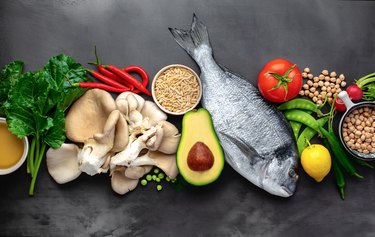
Dr. Trattler advises consuming an alkaline diet, because excess acidic foods may cause a herpes outbreak. An alkaline diet involves eating unrefined, natural foods, and avoiding sweets, refined carbohydrates, alcohol and citrus. Pathogens such as bacteria and viruses need an acidic environment to thrive, and when the body is at the correct pH balance of slightly over 7, the herpes virus cannot attack and cause an outbreak. You need to give the diet some time to work, and when you first start this type of diet you might go through a period of detoxification as your body adjusts to the new, healthier foods.
Additional Recommendations
Dr. Trattler recommends that you also avoid alcohol; herpes outbreaks often follow episodes not only of improper diets but also of drinking. In addition, Balch recommends consuming 25,000 IU a day of vitamin A when you have an active herpes outbreak, so long as you are not pregnant. It will help the healing process and prevent the spread of the herpes infection. Balch also recommends a B complex supplement to both combat the virus and to keep it from spreading.
References
- "Better Health through Natural Healing", Ross Trattler, N.D.; 2001.
- "Prescription for Nutritional Healing 3rd edition"; Phyllis A Balch, CNC, and James F. Balch, MD; 2003.
- "Home remedy site: Alkaline diet: Stop herpes dead in its tracts"


Member Comments