


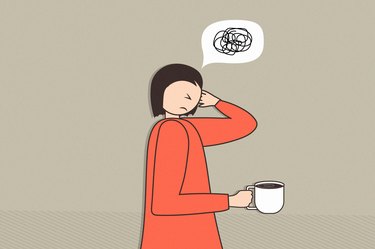































































Feeling tired, unmotivated or apathetic is no way to live your life. The good news is that while your symptoms may be health-related, the U.S. National Library of Medicine, a division of the National Institutes of Health, reports that they do not usually point to a serious illness. Whether you suffer from lack of energy only occasionally, or live in a constant state of exhaustion, there are ways you can fight back and effectively boost energy levels.
Get a Physical
Getting a thorough physical examination will allow you to rule out conditions such as allergies, anemia or thyroid problems as the cause of reduced energy levels. During your appointment, the NLM says your doctor will pay particular attention to areas of your body, such as your heart, lymph nodes, thyroid and nervous system, where lack of energy can be a symptom of illness. Talk to your doctor about any prescription or over-the-counter medication you take, but do not stop taking prescription medication unless your doctor advises you to do so.
Improve Your Diet
A poor diet can drastically reduce energy levels. Health expert Dr. Russell J. Martino identifies the main problem as a diet that contains too few essential fatty acids, or EFAs, and too many simple carbohydrates. EFAs boost energy by helping to increase blood oxygen levels. Without sufficient oxygen in your blood, says Martino, you will be tired all the time. Cold water fish, such as mackerel, tuna, salmon, sardines and herring, as well as raw seeds and nuts, are good EFA food sources. In contrast, simple carbohydrates are energy drainers, as they cause blood sugar levels to spike and then crash, causing severe energy deprivation. Simple carbohydrates include candy, soda and most processed foods.
Get Enough Sleep
Cutting back sleep time by even just one hour a night can affect energy levels, says Helpguide.org. You need between seven and a half to nine hours of quality sleep, consisting of four stages of deep sleep, as well as rapid eye movement, or REM sleep. As it relates to energy levels, Helpguide.org states that a lack of sleep can cause fatigue and lethargy, as well as reduce your ability to cope with stress.
Exercise
A 2008 University of Georgia study on exercise and energy shows that performing 20 minutes of low- to moderate-intensity aerobic exercise three times a week can increase energy levels of sedentary persons by 20 percent. Results also showed a 65 percent decrease in fatigue in participants performing low-intensity exercise and a 40 percent decrease in fatigue in participants performing moderate-intensity exercise. Researchers attribute these findings to the effect aerobic exercise has on your central nervous system. In addition, MayoClinic.com notes that all forms of exercise can help reduce stress, which in turn helps boost energy levels.
References
- Medline Plus: Fatigue
- Total Health Dynamics: How to Beat Fatigue, Have Tons of Energy and Feel Generally Great
- HelpGuide: How Much Sleep Do You Need?
- University of Georgia: UGA Office of Public Affairs News Service: Low-Intensity Exercise Reduces Fatigue Symptoms by 65 Percent, Study Finds
- MayoClinic: Exercise and Stress: Get Moving to Combat Stress


Member Comments