
There's no magic bullet when it comes to treating arthritis, unfortunately. But if you have the condition, you might find some symptom relief by changing what you eat.
Here's the breakdown on how diet and arthritis are linked, and the best and worst foods to eat for joint pain, stiffness and swelling.
The Inflammation Connection
There are more than 100 types of arthritis, but each is marked by chronic inflammation in the joints that can cause swelling and pain, according to the Mayo Clinic.
Acute — or short-term — inflammation is actually a healthy response that helps protect the body. A fever, which helps you fight off infection, is an example of acute inflammation. This type of inflammation goes away when the threat to the body is gone, according to a December 2019 paper published in Nature Medicine.
Chronic — or long-term — inflammation is that same response, but all the time. You don't go walking around with a fever 24/7, but inflammation is present in your body to a lesser extent. This chronic inflammation is linked to conditions such as heart disease, type 2 diabetes and metabolic syndrome, according to the Nature Medicine paper.
"Diet can absolutely impact arthritis by either exasperating inflammatory symptoms or by quieting inflammation."
Inflammation occurs for different reasons across the various types of arthritis. In osteoarthritis, the most common type, inflammation is caused by wear and tear on the joints, according to the Centers for Disease Control and Prevention (CDC). Rheumatoid arthritis (RA), on the other hand, is an autoimmune disease, so inflammation occurs because the body mistakenly attacks the joints, per the CDC.
Tamping down that inflammatory response can help manage the pain and other uncomfortable symptoms of arthritis, and that's where your diet comes in: Certain foods can increase or decrease inflammation in the body.
"At the root of the pathology of arthritis is chronic and unchecked inflammation," says Liz Wyosnick, RDN, dietitian and owner of Equilibriyum in Seattle, Washington. "Diet can absolutely impact arthritis by either exasperating inflammatory symptoms or by quieting [inflammation]."
Related Reading
Foods to Limit or Avoid With Arthritis
According to the Arthritis Foundation, the following foods can trigger or worsen inflammation:
1. Sugar
This really means "added sugar," which is sugar added to food during processing (think: sweetened beverages like soda and snack foods). You should limit your added sugar to 6 teaspoons per day for women and children, and no more than 9 teaspoons per day for men, according to the American Heart Association.(For reference, 6 teaspoons is about 25 grams and 9 teaspoons is about 38 grams; a 12-ounce can of Coke has 39 grams of sugar.)
2. Saturated Fat
Limiting the amount of saturated fat in your diet means eating less red meat, whole-fat dairy, butter and cheese.
Decreasing saturated fats in the diet and replacing them with monounsaturated fats (like nuts, avocado and vegetable oils) may help reduce the progression of knee osteoarthritis, according to March 2017 research published in Arthritis Care and Research.
3. Trans Fat
These are manmade fats that the Food and Drug Administration banned as an ingredient in foods in 2015. However, they're still found in very small amounts in processed baked good and shelf-stable foods that have "partially hydrogenated" in the ingredients list. Here are six foods to avoid.
4. Omega-6 Fatty Acids
Omega 6s aren't bad per se, but the issue is when the ratio of omega-6s to omega-3s is off. The goal is to lower the ratio, which means less omega-6 fatty acids and more omega-3s to help reduce the pain associated with arthritis inflammation, according to a February 2018 article published in the Clinical Journal of Pain.
Try to steer clear of processed meats and opt instead for seafood and leaner cuts of grass-fed meat.
Tip
Aim to eat a 3- to 6-ounce serving of fatty fish two to four times a week, per the Arthritis Foundation, and opt for fish that are relatively low in mercury, such as salmon, sardines, Atlantic mackerel and black cod.
5. Gluten and Casein
Gluten is the protein found in wheat, rye and barley, while casein is a protein found in dairy foods. If you have a sensitivity to either of these, this could trigger an inflammatory response.
The link isn't entirely clear, but some individuals with rheumatoid arthritis have found relief by sticking with a gluten-free vegan diet, according to February 2018 research published in Open Rheumatology Journal.
"The underlying theory is that when you go on a plant-based diet, you cut back on animal products (dairy and meat), and hence, exclude most of the foods that promote inflammation, which helps control your RA symptoms," Febin Melepura, MD, medical director at the Sports & Pain Institute of New York, tells LIVESTRONG.com. "In contrast, diets high in animal products and low in fiber might aggravate your arthritis or cause more flare-ups."
What to Eat When You Have Arthritis
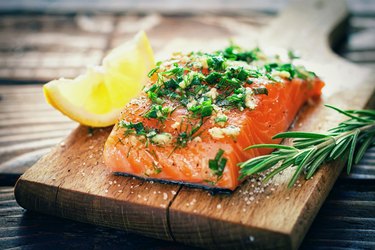
A diet focused on easing arthritis symptoms typically includes foods that can help decrease inflammation, not promote it.
But "there's no one-size-fits-all approach," Dr. Melepura says. "What works for one may not work for another." (For instance, eating the best foods for gout may help prevent symptoms of that form of arthritis, but not others.)
With that in mind, here are some loose guidelines to follow, but be sure to adjust where you need to based on your individual symptoms.
1. Fruits and Vegetables
It's no secret that fruits and vegetables are recommended for good health, but their role in helping relieve arthritis pain lies in special compounds called phytochemicals, which are responsible for fighting inflammation.
"I would particularly recommend including fruits such as pomegranates, blueberries, raspberries and strawberries," Dr. Melepura says, "as they are a rich source of polyphenols including anthocyanins, quercetin and various types of phenolic acids. All these compounds are widely known for their potent anti-inflammatory effects."
2. Herbs and Spices
Herbs and spices are also good sources of anti-inflammatory compounds.
"Parsley, basil, cilantro, ginger root, cinnamon and turmeric are some of the most nutrient-dense and anti-inflammatory foods available, so I guide people to incorporate these at most meals," Wyosnick says.
Cinnamon may be a good place to start. One older study in the Journal of Agricultural and Food Chemistry compared 26 different spices and found that cinnamon showed the highest antioxidant activity.
What About Honey?
Honey has antioxidant and anti-inflammatory properties, according to a 2017 review in Pharmacognosy Research, so it may potentially help with arthritis symptoms, although there's not enough research to say for sure. Honey is high in sugar and calories, so you may be better off sticking with other anti-inflammatory foods that are more nutrient-dense.
3. Omega-3 Fatty Acids
These special fats are found mainly in fish, but you can also find them in walnuts, flaxseeds and chia seeds.
Dr. Melepura calls these "joint-friendly fats" and says "studies show that consumption of omega-3 fats lowers the levels of two inflammatory proteins, which are C-reactive protein (CRP) and interleukin-6."
It should be noted, though, that this has been shown in people with fairly serious diseases, so the research may not translate for those with minor arthritis.
4. Olive Oil
Olive oil is a major component of the Mediterranean diet, which is filled with fruits and vegetables, fish, legumes and nuts. Olive oil is a monounsaturated fat and researchers believe it's one of the reasons why the Mediterranean diet is good for reducing inflammation.
Extra-virgin olive oil specifically has been shown to improve gut health and also cut back on inflammation in the body, according to August 2019 research in Nutrients.
The Bottom Line
To help tame arthritis inflammation, fill your plate with fruits and vegetables, lean proteins, fatty fish and healthy fats, such as olive oil. Cut back on sugar and saturated fats, and avoid trans fats completely.
If your specific type of arthritis has you confused about which type of foods you should eat, don't let that worry you. "An anti-inflammatory eating pattern can be perfectly safe for any type of arthritis," Wyosnick assures.
If you have food allergies or want to confirm an allergy or intolerance that may be aggravating your arthritis pain, speak with your doctor.
In addition, a registered dietitian can help you evaluate your current diet, remove troublesome foods from your diet and add in foods that may help provide some relief.
Is this an emergency? If you are experiencing serious medical symptoms, please see the National Library of Medicine’s list of signs you need emergency medical attention or call 911.