Irritable bowel syndrome can cause abdominal discomfort, bloating, constipation, diarrhea and gas. Science has yet to find a cure; however, making some changes in your diet may bring relief from IBS symptoms.
While there is no official diet for this gastrointestinal disorder, one dietary approach appears to help relieve IBS-related symptoms. The foods you eat using this approach, including vegetables, are least likely to trigger symptoms.
Video of the Day
Video of the Day
Tip
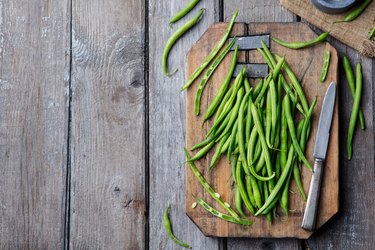
With IBS, you may find that you tolerate low-FODMAP vegetables best, such as white and sweet potatoes, green beans, bok choy, cucumbers, peppers and zucchini, to name a few.
Potential Key to Symptom Relief
FODMAP stands for fermentable oligosaccharides, disaccharides, monosaccharides and polyols. These are a group of carbohydrates that are typically poorly absorbed and quickly fermented by bacterial colonies living in your intestines.
Foods containing fermentable carbohydrates can trigger gastrointestinal symptoms in some people with IBS. Some people with IBS benefit from sticking with foods low in fermentable carbohydrates and limiting or avoiding high FODMAP foods.
Low Fermentable Carbohydrate Vegetables
Eat vegetables low in fermentable carbohydrates to reduce the risk of gastrointestinal symptoms related to IBS. The University of Virginia Health System recommends that you limit vegetables to one to three servings per day.
Vegetables low in fermentable carbohydrates include alfalfa, bamboo shoots, bean sprouts, green beans, bok choy, carrots, chives, cucumber, eggplant, fennel, bell peppers, okra, parsnip, radish, rutabaga, scallions, acorn squash, tomato, turnip, sweet potato, white potato, butternut squash, yam, zucchini and water chestnuts.
In addition, leafy greens such as spinach, arugula, endive, lettuce and Swiss chard are low in fermentable carbohydrates.
Vegetables That May Cause Trouble
To keep your IBS symptoms at bay, you may need to limit your intake of high FODMAP vegetables. Some of the most notorious gas-producing vegetables that may cause trouble include broccoli, cabbage, onions, cauliflower, asparagus and Brussels sprouts. These veggies not only increase bloating and gas, but may also alter bowel function, according to the Cleveland Clinic.
Read more: How to Relieve Bloating Naturally
What the Science Says
A study published in the September 2013 issue of the International Journal of Clinical Practice determined the efficacy of a low fermentable carbohydrate diet. After being placed on a low-FODMAP diet, participants experienced significant improvement in most symptoms, such as abdominal pain, bloating, flatulence and diarrhea.
The diet had a high rate of adherence, about 75 percent. The authors concluded that a low fermentable carbohydrate diet is effective for managing IBS symptoms.
Read more: IBS With Constipation Diet Plan
Following the Diet
Evidence supports the use of a low fermentable diet in the management of IBS symptoms, including bloating, gas and abdominal pain. Following this type of diet requires guidance from a registered dietitian who has received training in the low-FODMAP diet. The diet is implemented in two phases, restricting high FODMAP foods and then reintroducing them to assess tolerance.
If you try the diet without the guidance of an expert, you may choose the wrong foods, find it too restrictive and not experience gastrointestinal relief. A registered dietitian can guide you through meal planning and help maximize the number of foods you can eat.
- University of Virginia Health System: "Irritable Bowel Syndrome (IBS) - Nutrition Considerations"
- International Journal of Clinical Practice: "The Low FODMAP Diet Improves Gastrointestinal Symptoms in Patients With Irritable Bowel Syndrome: A Prospective Study"
- University of Michigan Health System: "Low FODMAP Diet Introduction"
- Cleveland Clinic: "Best and Worst Foods for IBS"