





















































Probiotics for C. Difficile and Diarrhea

Probiotics for C. Difficile and Diarrhea
Photo Credit yaourt image by danimages from Fotolia.com

Clostridium difficile, also known as C. difficile, is a frequent cause of diarrhea, especially in older, hospitalized adults. The use of probiotics to treat and prevent diarrhea and other intestinal problems has its basis in the ancient use of fermented foods and cultured dairy products to treat these kinds of diseases. While the specific strains and doses are still under study, the use of probiotics as a treatment and preventative of diarrhea caused by C. difficile infection seems to be beneficial.

C. Difficile Infection

The bacteria C. difficile infects tens of thousands of Americans each year and can lead to severe inflammation of the large intestines if left untreated. Infections frequently occur after treatment with antibiotics, since these medicines destroy the helpful bacteria in the colon which normally keep C. difficile levels under control. Without these beneficial bacteria, C. difficile overgrows and produces toxins that destroy the intestinal lining. Someone with a C. difficile infection typically has severe diarrhea, producing a watery bowel movement up to 15 times a day. In some cases, the infection clears up only to return days or weeks later.

Probiotics

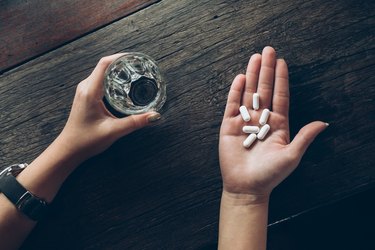
Probiotics are cultured edible microorganisms that can be consumed to restore the natural balance of beneficial microbes in the gut. These include bacteria similar to those that naturally occur in the human digestive tract and specific yeast strains that complement gut bacteria. Common probiotics include Lactobacillus acidophilus and Bifidobacterium bifidus. Probiotics can be cultured in foods, such as yogurt and kefir, or they can be purchased as supplements.

C. Difficile Treatment

Treatment for C. dificile infection generally involves stopping the antibiotics being used and taking a different antibiotic that can kill this specific bacteria. Using probiotics along with the new antibiotic can help heal the intestines and reduce the duration and severity of diarrhea. A 2006 review in the "Journal of Clinical Gastroenterology" found that the probiotic Saccharomyces boulardii was effective at reducing recurrent episodes of C. difficile diarrhea in adults and Lactobacillus rhamnosus GG helps children recover from antibiotic-associated diarrhea, which is often caused by c. difficile. In addition, probiotics may be able to help avoid the need for the second course of antibiotics by preventing C. difficile-induced diarrhea in the first place. A 2007 study in the "British Medical Journal" found that a probiotic drink containing a mix of L. casei, L. bulgaricus, and S. thermophilus taken during antibiotic treatment reduced the incidence of C. difficile diarrhea in patients on an antibiotics course.

Considerations

Attempting to treat preexisting C. difficile-caused diarrhea with probiotics alone may not work as well as using them along with antibiotic treatment, although evidence has been mixed and may depend on the particular strain of probiotic used. Immunocompromised patients should avoid using probiotics as a method to restore the bacterial balance in the gut, since their immune systems may allow the beneficial bacteria to grow out of control.

References

Article reviewed by Jenna Marie Last updated on: Jan 18, 2011

Must see: Photo Galleries