




















































In the ninth century, fennel's benefits captured the attention of royalty. The Roman emperor Charlemagne declared the herb integral to all gardens because of its healing properties. Fennel's popularity spread throughout Europe, where people chewed the seeds during church services to quiet hunger pangs. All parts of fennel have medicinal and culinary uses -- roots, stalks and leaves and seeds. Before using any herb to treat a medical condition, consult your doctor.
Improves Digestion
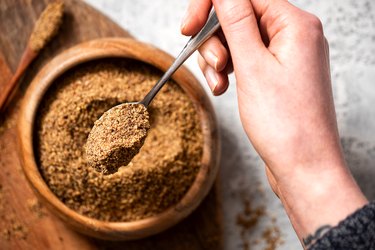
Fennel's carminative essential oil anethole stimulates digestion, prevents infantile colic, prevents diarrhea by inhibiting spasms in intestinal smooth muscles and relieves gas. Indian restaurants frequently offer the seeds after meals to prevent flatulence and cramping. The seeds also suppress the appetite, a quality Lent observers often use.
Protects the Liver
Fennel's seeds and roots may open liver pathways, ease liver inflammation and treat jaundice. The herb also protects the liver from toxins, according to a 2003 study by researchers from Yuzuncu Yil University in Turkey. Fennel's essential oil anethole protected liver cells from a toxin administered to laborary rats. The herb reduced levels of the toxin and bilirubin, a normal byproduct of expired red blood cell metabolism.
Inhibits Cancer Development
Fennel prevents cells exposed to carcinogens from mutating, according a 2010 study by researchers at Ain Shams University in Egypt. Fennel's water extract protected cells of laboratory mice from the developing the early stages of cancer. Researchers concluded the results warranted further studies exploring fennel's anti-cancer capacity.
Culinary Ingredient
Fennel's culinary history spans Europe and China. The herb's leaves provide a mild anise flavor to French and Italian mayonnaise and fish sauces. Fennel seeds add the signature flavor to Italy's well-known Florentine salami finocchiona. The herb contributes a sweet taste to savory breads, cakes and scones. A contributor to the herb mixture Chinese Five Spices, fennel fulfills the sweet spice category. Fennel provides a distinct sweet licorice taste in absinthe, offsetting wormwood's bitter flavor.


Member Comments