
























































Foods That Heal Allergies

Foods That Heal Allergies
Photo Credit yogurt with cherries image by Elke Dennis from Fotolia.com

If you have allergies your immune system perceives certain substances as toxic and causes physical reactions such as sneezing, red eyes, skin rashes, breathing difficulties, headaches or fatigue. Your symptoms may occur seasonally or year-round and may involve environmental substances such as pollen, indoor substances such as pet dander, or foods such as milk, wheat, nuts or seafood. In addition to medical treatments and avoiding allergens when possible, a healthy diet may improve your symptoms.

Fruits and Vegetables

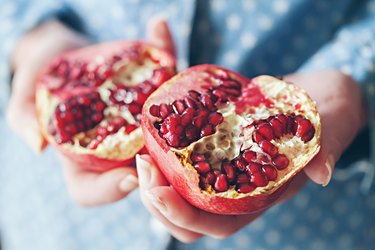
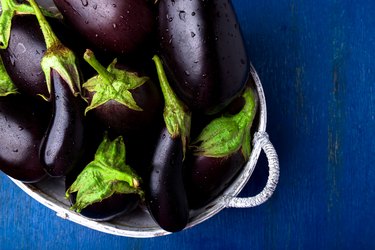
Fruits and vegetables offer valuable amounts of nutrients, many of which provide potent disease-fighting benefits. According to research published in "Thorax" in 2007, increasing your fruit and vegetable intake may also help minimize your allergy symptoms. In the study, the dietary habits, allergic and respiratory symptoms of children ages 7 to 18 in Crete -- a Greek island where allergic rhinitis is rare -- were analyzed. Researchers found that 80 percent of children ate fresh fruit and 68 percent consumed vegetables at least twice daily and determined that a fruit- and vegetable-rich diet offers protection from rhinitis and asthma. Since fruits and vegetables consumed in Crete are also rich in antioxidants, consume colorful varieties, such as berries, red grapes, oranges, apples, tomatoes, leafy greens, broccoli and bell peppers, routinely.

Yogurt and Kefir

Yogurt and kefir are cultured milk products that contain probiotics -- healthy bacteria linked with improved digestive health and reduced risk for infections caused by harmful bacteria. Though additional research is needed, infants of women who consume probiotics during pregnancy may exhibit half the allergic symptoms, such as dermatitis, than infants of women who do not, according to the "The Harvard Medical School Guide to Healthy Eating During Pregnancy" by W. Allan Walker and Courtney Humphries. Yogurt and kefir may also help manage digestive symptoms caused by food allergies and intolerances. For best results, consume yogurt or kefir that lists "live active cultures" on its packaging.

Fatty Fish

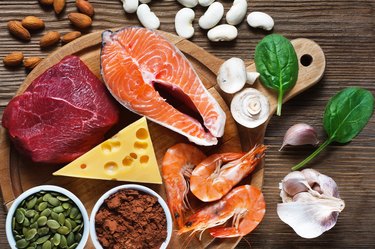
Fatty fish, such as salmon, albacore tuna, lake trout, flounder, halibut and sardines, are prime sources of omega-3 fatty acids -- essential fats associated with positive heart-health and brain function. Fish and healthy fats also play a significant role in Mediterranean-style diets, including diets consumed in Crete, and may reduce inflammation associated with allergies. For heightened benefits, incorporate fatty fish into your meals in place of saturated fat sources, such as red and processed meats, which may worsen inflammation.

Whole Grains

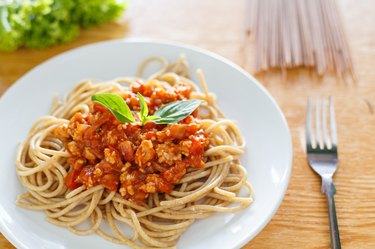
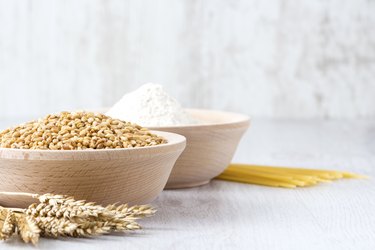
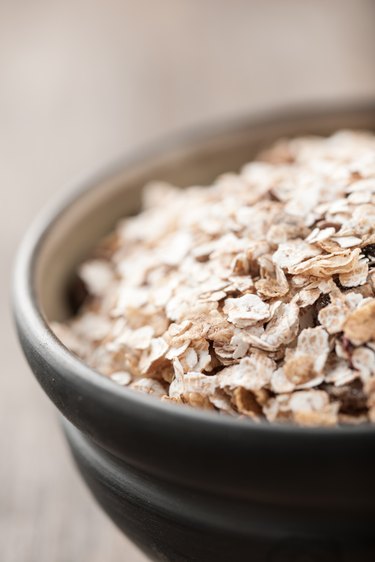
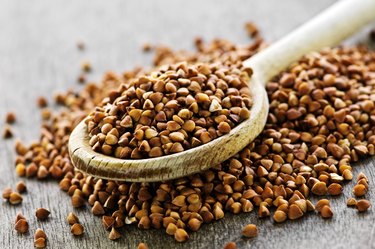
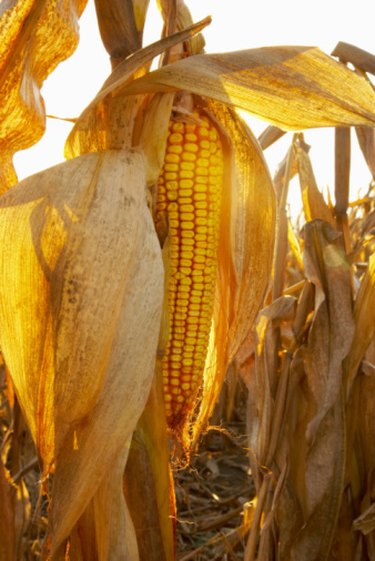
Whole grains contain all nutritious components of the original grain, providing greater dietary benefits than refined grains. Cutting back on processed breads, pasta and sweets may help improve symptoms associated with food allergies, according to the University of Maryland Medical Center. Replacing these foods with whole grain alternatives may also help prevent or alleviate nutrient deficiencies linked with allergies. Examples of nutritious whole grain foods include 100 percent whole grain breads, whole wheat pasta, old fashioned or steel-cut oatmeal, long-grain brown rice, wild rice, air-popped popcorn, pearled barley and quinoa.

References

Article reviewed by MER Last updated on: Jan 23, 2011

Must see: Photo Galleries