
















































Ovarian Cancer Supplements & Vitamins

Ovarian Cancer Supplements & Vitamins
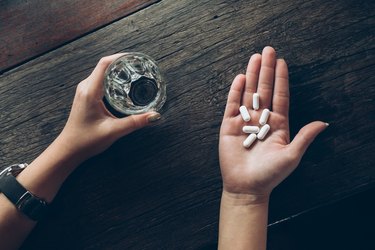
Photo Credit Vitamins and Supplements image by Scott Griessel from Fotolia.com

Ovarian cancer is most common in women older than 50 and is sometimes referred to as the "silent killer" because the early stages are often symptom-free, meaning it can go undetected for some time. There are several forms of ovarian cancer, but the most common is epithelial carcinoma, which begins in the layer of cells on the surface of the ovary. Ovarian cancer is usually treated with a combination of surgery and chemotherapy or radiotherapy. Some supplements and vitamins may also aid recovery and support conventional cancer treatments. Consult your doctor before taking any new supplements.

Green Tea

The A.P. John Institute for Cancer Research says that compounds found in green tea help to shut down the supply of energy that cancer cells need to be able to grow. However, Medline Plus says that while green tea is often used as an alternative remedy for various types of cancer, there is insufficient evidence to prove that it is effective. Get advice from your oncologist before using green tea since it may interact with other drugs that you may be taking, including the anti-cancer drug bortezomib.

Vitamin D

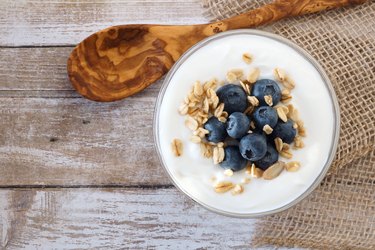
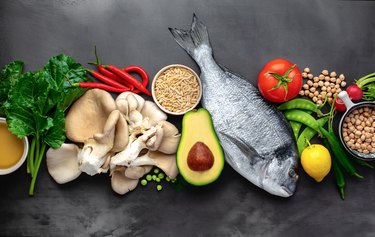
An article published in 2009 in the "Journal of Environmental Pathology, Toxicology and Oncology" highlights a link between vitamin D deficiency and ovarian cancer. This vitamin may activate enzymes that inhibit the activity of other enzymes needed for cancer cell growth. Although the body manufactures vitamin D when sunlight hits the skin, you can also find it in variety of foods, including oily fish, liver beef, yogurt and eggs. It is also available as a dietary supplement.

Vitamin C

Laboratory research published in the July 2003 issue of "Anticancer Research" found that vitamin C may possess anti-tumor activities and induces ovarian cancer cell death. However, human studies are needed to confirm these effects. Vitamin C is a water-soluble vitamin that can be found in a host of foods, including strawberries, red and green peppers, blueberries, citrus fruits and broccoli. It is also available as a dietary supplement. Ask your doctor how much you need to take.

Melatonin

The A.P. Institute for Cancer Research says that melatonin is often included in cancer treatment programs because it helps block the production of cancer-promoting chemicals. RxList says that it may improve the effectiveness of cancer drugs and may help to decrease their side effects. Short-term melatonin is likely safe, but side effects may include depression, dizziness and stomach discomfort. Do not take a melatonin supplement for cancer except under a doctor's supervision.

References

Article reviewed by Eric Lochridge Last updated on: Jan 31, 2011

Must see: Photo Galleries