











































Birch Pollen & Related Food Allergies

Birch Pollen & Related Food Allergies
Photo Credit almonds image by Joann Cooper from Fotolia.com

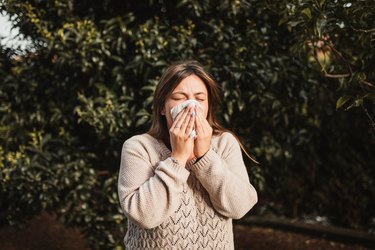
Birch pollen is a common cause of allergic rhinitis, or hay fever. Hay fever is a chronic allergic condition that causes coldlike symptoms commonly caused by pollen. Birch pollen is at its high during the spring months when birch trees are blooming. During these months, you may find that some foods trigger or worsen your allergy symptoms. If you notice that certain foods trigger your allergy symptoms, call your doctor.

Cause

Certain food proteins are closely related to birch pollen. Your body's immune system may mistake the food proteins for birch pollen and trigger your body to experience an allergic reaction. According to Dr. David L. Katz, director of the Yale-Griffin Prevention Research Center, more than 70 percent of people with a pollen allergy are affected by this condition. Oral allergy syndrome typically causes most symptoms to develop in the mouth or lips, but can affect other parts of your respiratory system. Facial swelling and hives are not related to this condition and need to be evaluated by your doctor. You may be experiencing a severe allergic reaction.

Certain Foods

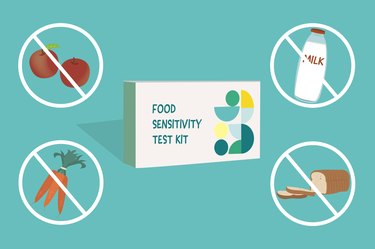
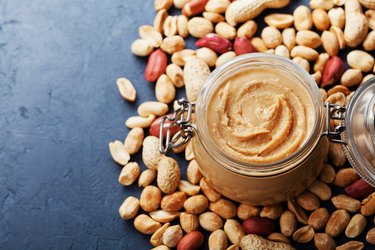
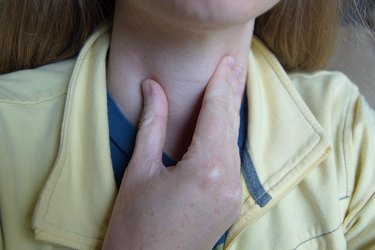
The foods that can confuse your immune system as birch pollen include potatoes, peppers, fennel, coriander, hazelnuts, cherries, plums, pears, apples, prunes, kiwi, celery, carrots, peaches, walnuts and almonds. After eating these foods, you may feel an itchy or scratchy sensation in your mouth or throat or on your lips. The symptoms typically develop within a few minutes of consuming the food and subside within an hour. Any symptoms that persist need to be evaluated by your doctor.

Treatment

You may be able to enjoy the foods that are causing this type of reaction with a treatment method called sublingual immunotherapy. This type of therapy is similar to allergy shots but does not involve injections. Many allergists use this method although it is not approved by the U.S. Food and Drug Administration, Katz notes in the July 2009 issue of "O, the Oprah Magazine." A doctor places an extract of the specific allergen under the tongue in small amounts. Over time, the allergist slowly increases the amount of the allergen to desensitize your immune system to it.

Avoidance

The most effective way to prevent allergic reactions to birch pollen is to avoid exposure to the substance, according to MayoClinic.com. Keep your windows and doors closed during springtime and avoid eating the specific foods that trigger your birch pollen allergy.

References

Article reviewed by S.C. Ville Last updated on: Feb 6, 2011

Must see: Photo Galleries