


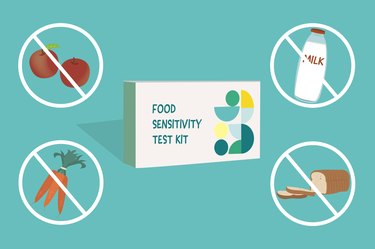


































































A rotation diet, also referred to as an elimination diet, is a diet that is used by allergists and family doctors to help identify which foods cause adverse reactions when consumed. If you have an appointment with your doctor and complain of skin rashes, shortness of breath and digestive problems after eating certain foods, she may recommend a rotation diet. The results of the rotation diet will help your doctor determine which foods you should be allergy tested for. A rotation diet to identify food allergies is not intended to diagnose your condition.
Food Allergies
Food allergies are not considered a common medical condition among adults in the United States. According to MayoClinic.com, only about 3 to 4 percent of adults have a diagnosed food allergy. Food allergies are 50 percent more common in children. Food allergies and food intolerances are not the same thing. For example, a milk allergy and lactose intolerance are two different conditions that can cause similar symptoms. A food allergy involves a malfunction of the immune system that results in the production of immunoglobulin E antibodies. Food intolerances are a digestive complication where your digestive system cannot fully digest certain aspects of the food.
Plan Ahead
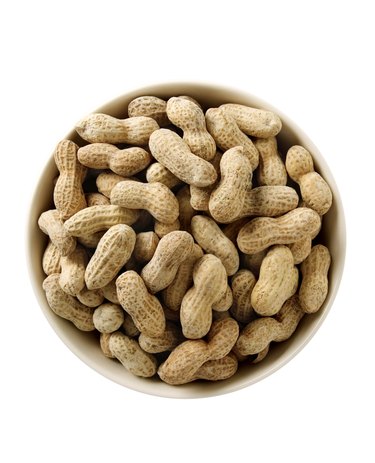
Before you being a rotation diet, you need to determine which foods you think are causing your symptoms. The most common foods that people are allergic to include fish, peanuts, tree nuts, milk, eggs, wheat and soy. Agree upon which foods you are going to rotate in your diet with your doctor. After you know which foods you're going to challenge, buy a note pad that you can use as a food log to document your results. Inform people that are close to you that you are going to be performing a rotation diet.
Implementation
A rotation diet requires that you eliminate the foods for two weeks that you will later rotate into your diet. You will need to remain strict on the diet to not consume anything that contains the foods you are challenging. For example, if you're eliminating milk, you will not be able to ingest non-dairy creamers, butter or whey protein because these products contain milk. At the completion of two weeks, you will rotate the foods you eliminated back into your diet slowly. Keep a log of the foods you eat and how they affect you. For example, introduce a dairy product on the first day and then remove it from your diet again for a short period. The next day introduce the next food and then eliminate it for a few days. Continue to rotate through the foods until you notice a trend in your symptoms related to the food you eat.
Results
Your results are evaluated by your doctor. Foods that you and your doctor suspect are causing your allergic reaction symptoms will be further tested. Allergy tests use your skin and a sample of your blood to determine if your body creates immunoglobulin E when the protein from the food is introduced into your body. If you are clinically diagnosed with a specific food allergy, you need to eliminate that food from you diet.


Member Comments