



























































What Are Whole Grain Foods?

What Are Whole Grain Foods?
Photo Credit Image by Flickr.com, courtesy of Mornflake Oats

All grains are critical elements of a healthy diet because they contain complex carbohydrates and important vitamins and minerals. From quinoa to popcorn, they also come in many varieties. However, not all grains have the same nutritional punch. Whole grains are particularly wholesome sources of antioxidants, fiber, magnesium, selenium, and potassium. Eating a diet rich in whole grains may even help reduce your chances of having a stroke or developing diabetes or heart disease.

Whole Grains vs. Refined Grains

There are two types of grains: whole grains and refined grains. Whole grains haven't been stripped of their bran or germ so they contain more fiber and other nutrients than refined grains do. Because they are good sources of fiber, whole grains tend to make you feel full for longer than you would if you ate a meal full of refined grains. Refined grains such as white rice and white table sugar have undergone the milling (or bran and germ-stripping) process.

Recommended Daily Intake

The 2005 Dietary Guidelines for Americans says that eating three or more ounce-equivalents of whole grains every day can help you maintain a healthy weight and reduce your risk of several diseases. Children may need to gradually increase their intake of whole grains as they grow rather than forcing down the three servings in a day. Since the daily recommended grain intake is six servings, at least half of them should be whole grains. By no means should you feel obligated to eat refined grains to fulfill the other half; all six servings can be whole grains.

Serving Size

A serving (or ounce) of whole grain may be a cup of 100 percent whole grain cereal, one-half cup of 100 percent whole grain oatmeal or rice, or a single slice of 100 percent whole grain bread. Sometimes products contain a mix of whole grains and enriched grains. In this case, make sure a single serving of that food contains at least 16 grams of whole grain ingredients. In that case, you would need 48 grams of whole grain ingredients in a day.

Many Whole Grain Choices

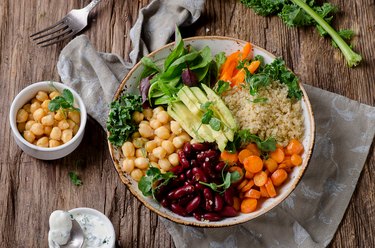
You can find a wide variety of whole grains at your local grocery store. Look for barley, wild rice, brown rice, bulgur, millet, oatmeal, popcorn, quinoa, 100 percent whole wheat bread, 100 percent whole wheat crackers, and 100 percent whole wheat pasta. Don't rely on front labels to ensure that your product contains whole grains. Look at the ingredient list to be sure that whole grains are among the first few ingredients. Also, ideally choose a foods that contain at least three grams of dietary fiber in a single serving.

A Whole Grain Diet

If you're having trouble finding ways to incorporate whole grains in your daily diet, make a few simple substitutions. Instead of eating sugary refined grain cereals, choose high-fiber whole grain cereals such as oatmeal. They will keep you energized and help you stay full until lunchtime. When you grab a bagel, choose a whole-grain bagel. Also use brown rice, wild rice, or quinoa instead of white rice in your soups and casseroles.

References

Last updated on: Nov 24, 2009

Must see: Photo Galleries

Member Comments