

































































Does Green Tea Contain Tannins?

Does Green Tea Contain Tannins?
Photo Credit Brand X Pictures/Brand X Pictures/Getty Images

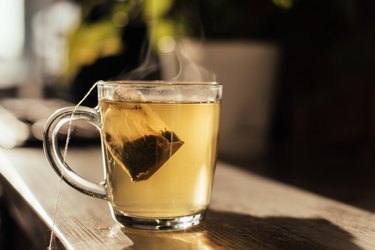
Tea is the second most popular beverage in the world after water. While you may drink it simply to accompany toast or a muffin, in ancient China, tea was appreciated as one of the seven daily necessities of life and Japanese have long used it in their quest for enlightenment. Although green tea accounts for only 19.5 percent of the tea consumed in America, according to the Tea Association of the U.S.A., it's richer in antioxidants such as tannins than the more popular black tea.

Definition

All tea --- black, green and oolong --- comes from the leaves of the Camellia sinensis plant. The difference between these teas lies in how they're produced. Green tea is not oxidized, whereas black tea is fully oxidized for about two to four hours and oolong tea is only partially oxidized. White and yellow teas are types of green tea. The variations in oxidation produce the colors and tastes of each tea.

What are Tannins?

Green is one of the richest sources of tannins, which are types of plant polyphenols --- potent antioxidants that help to fight free radicals that naturally exist in your body. Environmental toxins such as ultraviolet rays from the sun, cigarette smoke and pollution also increase free radicals, which damage cells and DNA and contribute to aging and illness. Tannins in green tea bind to and separate proteins and help to boost immunity and protection against harmful toxins.

Disease Protection

Tannins and other polyphenols in tea can protect you from, or help to treat, conditions such as high cholesterol and atherosclerosis, both of which contribute to heart disease, the leading killer of both men and women in the United States. Polyphenols are also beneficial in treating diabetes and inflammatory bowel disease. However, the evidence on green tea's role in preventing cancer is inconclusive and contradictory, according to a review conducted by Jianping Liu and Xun Li in an article for the CAM-Cancer project.

Side Effects

Although tannins in tea provide several health benefits, they can also contribute to iron deficiency anemia. When you drink tea, tannin molecules bind to iron and prevent your body from absorbing it. Iron deficiency reduces hemoglobin in red blood cells, which deprives your body of oxygen and leaves you battling symptoms such as fatigue and breathlessness. Green tea can also interact with medications such as blood thinners and drugs for high blood pressure, heart conditions and depression. Consult your doctor if you have a medical condition before indulging in green tea.

Best Form of Green Tea to Buy

When you're shopping for green tea, consider buying it in loose form instead of in bags. Tea leaves in bags are ground into small particles, which diminishes their antioxidant properties, according to Chun-Su Yuan, director of the Tang Center for Herbal Medicine Research at the University of Chicago, in an interview with Medill Reports Chicago.

Recommended Amount of Green Tea

To get your daily dose of tannins and other nutrients from green tea, the University of Maryland recommends drinking two to three cups daily, which gives you about 240 to 320 mg of polyphenols. Allow the tea to steep for about five minutes and drink it right away while it's still fresh.

References

Article reviewed by Jessica Lyons Last updated on: Mar 28, 2011

Must see: Photo Galleries

Member Comments