
















































Ginger has been used medicinally and as a culinary spice in Asia, India and Arabic countries since ancient times. It has been used to aid digestion and to treat stomach upset, colic, diarrhea, nausea, arthritis, headaches, painful menses and heart conditions for countless generations. Although generally considered safe even in large dosages, under certain circumstances, consuming ginger can lead to side effects. Consult a health professional before embarking on a supplement regimen.
Description
Ginger root is the underground stem, or rhizome, of the plant species Zingiber officinale. It is a thick, knotted and light-colored stem that contains some substances with medicinal properties. According to "Chinese Herbal Medicine: Materia Medica," the important active substances of ginger root are believed to be volatile oils and pungent phenol compounds, which are called gingerols and shogaols. These substances exhibit anti-inflammatory properties and can stimulate digestive juices within the stomach. The most common recommended use of ginger by modern health professionals is to help prevent or reduce nausea and vomiting associated with motion sickness, pregnancy and chemotherapy treatments.
Forms of Ginger
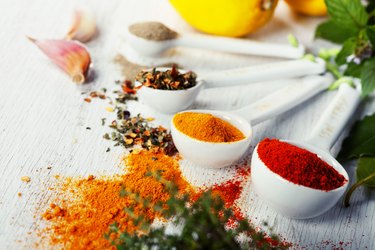
According to "The Essential Book of Herbal Medicine," ginger products are made from fresh or dried ginger root, or from steam distillation of the oils within the roots. Ginger root is then made into extracts, tinctures and oils or ground into powder and put into capsules and prepared as a tea. At Japanese restaurants, thin slices of pickled ginger root are often offered with sushi and sashimi dishes in order to enhance digestion and cleanse the palate. Fresh ginger has a strong, spicy taste. As such, it is often used as a cooking spice and can be found in gingerbread, ginger snaps and ginger ale.
Side Effects
Although herbal remedies such as ginger are time-honored approaches to strengthening the body and treating disease symptoms, many contain substances that negatively interact with other herbs, supplements or medications. According to the University of Maryland Medical Center, side effects associated with ginger are considered rare, but if taken in very large doses it can lead to mild heartburn, diarrhea, irritation of the mucosal linings of the mouth and purging of gallstones. Ginger powder within capsules is generally regarded as the safest way to consume ginger with the least risk of side effects or symptoms. Fresh ginger products can negatively interact with anesthesia, blood-thinners such as aspirin and warfarin, and some other prescription and nonprescription medications. People taking medications that thin their blood should consume ginger only under the supervision of their primary health provider.
Caution With Dosages
According to "Medical Herbalism: The Science Principles and Practices of Herbal Medicine," ginger products should not be taken by children under 2 years of age, but beyond that age is appropriate if the dosages are tailored to the child's smaller size. Recommended adult dosages are usually based on a 150 lb. person. Generally, ginger consumption should not exceed 4 g per day, although most therapeutic dosages do not exceed 500 mg, up to four times per day, for a total of 2,000 mg.
References
- "Chinese Herbal Medicine: Materia Medica"; Dan Bensky et al.; 2004
- "The Essential Book of Herbal Medicine"; Simon Mills; 1994
- University of Maryland Medical Center: Ginger Overview
- "Medical Herbalism: The Science Principles and Practices of Herbal Medicine"; David Hoffmann; 2003


Member Comments