Coenzyme Q10 (or CoQ10) is a popular supplement on pharmacy shelves, but the nutrient is also produced in your body and can be found in plenty of foods.
Coenzyme Q10 helps produce energy and acts as an antioxidant by neutralizing harmful free radicals, protecting your body's cells, per the Linus Pauling Institute.
Video of the Day
As you age, your body produces less and less of this vital compound — that's just one reason why some people choose to take supplements or make sure they're getting enough in their diets.
FYI, if you follow a balanced diet, you probably don't need to take a coenzyme Q10 supplement. Food sources of CoQ10 include fatty fish and other animal proteins, legumes and nuts.
Video of the Day
How Much CoQ10 Do You Need?
There isn't a set daily CoQ10 dosage. Rather, the amount depends on medical conditions, age, treatments and medication, according to March 2014 research in Molecular Syndromology.
CoQ10 supplements usually provide about 30 mg to 100 mg but can go as high as 1,200 mg, per February 2020 research in Comprehensive Reviews in Food Science and Food Safety. Always check with your doctor before taking a new supplement.
Check out the list below for foods that contain CoQ10. Note that the amounts listed are based on April 2010 research published in Critical Reviews in Food Science and Nutrition.
1. Mackerel: 6.75 mg
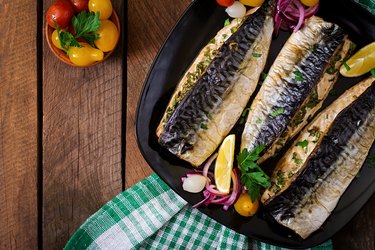
Fatty cold-water fish — such as salmon, tuna, herring and mackerel — are the best sources of CoQ10. Because this coenzyme is fat-soluble, it requires fat for absorption and storage. So, the more fatty a fish is, the more CoQ10 it will likely have, which is why mackerel has one of the highest amounts of CoQ10 compared to most foods.
A 3.5-ounce serving of red mackerel provides 6.75 milligrams of CoQ10. Another bonus: Mackerel is considered low-mercury seafood. If you have the canned version of this fatty fish in your pantry, turn it into something tasty with these canned fish recipes.
2. Beef: 3.06 mg
Beef is near the top of the list of foods high in coenzyme Q10. Cooked beef sirloin steak has 3.06 milligrams of CoQ10 per 3.5-ounce serving.
Beef sirloin provides many nutrients — like B vitamins, iron and zinc — but it also packs a large amount of saturated fat and total fat, so keep your portion size in mind when you're eating it.
3. Peanuts: 2.6 mg
Not all CoQ10 foods are animal-based. Peanuts are among the best vegan foods high in CoQ10, with a 3.5-ounce serving providing 2.6 milligrams. Try the legume in these creative peanut butter recipes.
4. Pork: 2.4 mg
Like the other animal protein sources on this list, pork is also high in CoQ10. A 3.5-ounce serving of cooked pork offers 2.4 milligrams of coenzyme Q10 as well as 27 grams of filling protein.
5. Pistachios: 2 mg
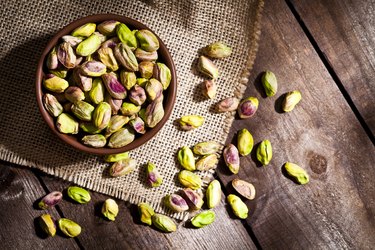
If pistachios are your go-to snack, you'll get 2 milligrams of coenzyme Q10 per 3.5-ounce serving. Like other nuts, pistachios may be known for their heart-protective benefits, but they are also great for gut health.
They're high in fiber, which is important for regular digestion and healthy gut bacteria. Pistachios can also seem to benefit your gut more than almonds, according to a June 2014 study in the British Journal of Nutrition. Try using pistachios in these protein ball recipes.
6. Soybeans: 1.21 mg
If you're looking for more vegan foods high in CoQ10, soybeans, or edamame, are the way to go. A 3.5-ounce portion of boiled soybeans contains 1.21 milligrams of coenzyme Q10.
Cooked edamame make for a great snack — they are extra-filling because of their combination of heart-healthy fats, protein and fiber. Plus, they are an excellent source of folate, vitamin K, magnesium and iron.
7. Chicken: 1.4 mg
Another animal protein source that contains plenty of CoQ10 is chicken, with 1.4 milligrams per 3.5-ounce serving.
If you're reading this and dreading eating another chicken breast for dinner, consider chicken thighs: They are usually tastier and more satiating, contain more zinc and are more affordable than chicken breast. Try these high-protein breakfast chicken recipes if you're used to only eating poultry in the evenings.
8. Avocado: 0.95 mg
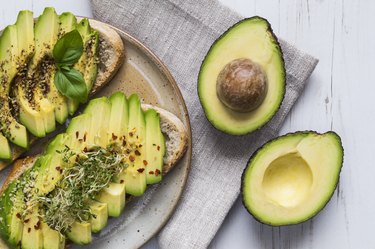
Some of your favorite fruits and vegetables can add a bit more coenzyme Q10 to your diet. Avocados lead the pack, with 0.95 milligrams of CoQ10 per 1/2 avocado. But other fruits and vegetables, like broccoli, cauliflower, oranges and strawberries, aren't that far behind.
Avocados aren't just good for their CoQ10 content — they also contain heart-healthy fats, fiber and potassium. Try these healthy and creative avocado recipes.
- Linus Pauling Institute: Coenzyme Q10
- Molecular Syndromology: Coenzyme Q10 Therapy
- Comprehensive Reviews in Food Science and Food Safety: Coenzyme Q10 supplementation: Efficacy, safety, and formulation challenges
- Critical Reviews in Food Science and Nutrition: Coenzyme Q10 contents in foods and fortification strategies
- USDA Food Data Central
- British Journal of Nutrition: Effects of almond and pistachio consumption on gut microbiota composition in a randomised cross-over human feeding study