




















































Do Bananas Help Muscle Spasms?

Do Bananas Help Muscle Spasms?
Photo Credit the leg image by Rich Johnson from Fotolia.com

Muscle cramps, or spasms, are painful involuntary contractions of your muscle. They often occur in large muscle groups that are frequently used, such as your lower leg or calf, hamstrings and quadriceps. You can also experience muscle spasms in your back, arms and other regions of the body. Certain foods, such as bananas and orange juice, can help relieve you of muscle spasms.

Causes

Muscle spasms can occur if you overwork or overuse a muscle or if you have an injured muscle. When your muscle becomes fatigued, it may cramp up while you are performing certain activities that use that particular muscle. Dehydration can also cause muscle spasms to occur when your body hasn't had enough fluids. Low levels of potassium and calcium can cause muscle spasms to occur, according to PubMed Health. Muscle spasms may also be related to certain medications, medical conditions such as pregnancy and lifestyle factors such as alcoholism.

Foods

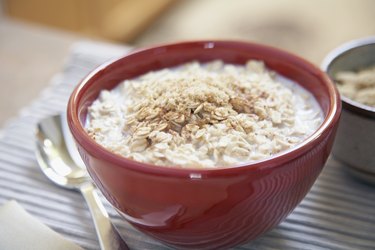
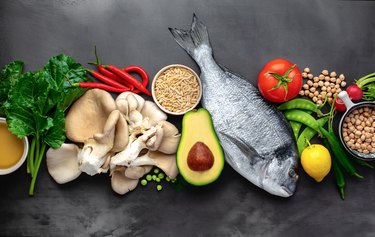
If you experience muscle spasms due to low mineral levels of calcium or potassium, include more foods in your diet that provide an adequate amount of these minerals to help raise your levels. Bananas, orange juice, avocados, tomatoes, lima beans, potatoes, cod, salmon, flounder and other citrus fruits can provide adequate sources of potassium to help ward off muscle cramps. Calcium-rich foods include dairy products such as cheese, milk, yogurt, butter and ice cream. Some cereals are fortified with calcium, potassium, iron and other important trace minerals that your body needs.

Home Care

Aside from including more foods in your diet that include vital minerals to prevent or reduce muscle spasms, drink plenty of water to help keep your muscles hydrated before, during and after your workouts. If you constantly injure or overwork a particular muscle group, make your workout routine more appropriate for your fitness level to avoid future injuries or muscle cramps. PubMed Health also recommends stretching to improve your flexibility. Stretching may even help stop muscle spasms, according to MedlinePlus.

When to Call Your Doctor

You may require medical attention if your muscle spasms are constant, severe or prolonged and do not go away with simple stretching exercises. Your doctor may run a variety of tests, such as a pregnancy test, kidney test or blood tests to check your thyroid function and metabolic levels, to determine the cause of your muscle spasms. Inform your health care provider of any medications that you may take and other lifestyle factors such as your exercise regimen, health conditions and drinking habits.

References

Article reviewed by MER Last updated on: Mar 30, 2011

Must see: Photo Galleries