


































































5 Things You Need to Know About Seasonal Allergies

Text size:  |  Post a comment  |  Print  |   | 
Add to my favorites

1. Achoo! Does Someone Have Seasonal Allergies?

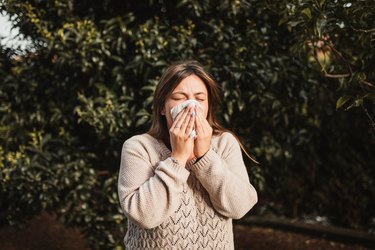
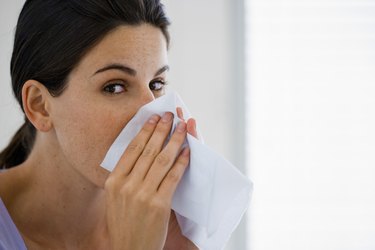
Seasonal allergy sufferers often notice they develop a reaction immediately after exposure to a particular allergen. The symptoms of seasonal allergies, also referred to as hay fever, range from the mild to severe. You may have sneezing fits, a runny nose, and itchy and watery eyes. More severe symptoms of seasonal allergies include facial pain and swelling around the eyes.

2. An Allergy for All Seasons

Each season produces different allergens. During the spring, the high pollen count from blooming trees triggers hay fever. Many trees, including oak, maple and ash, pollinate at this time, which aggravates an allergy sufferer's symptoms. During the summer and fall, grass pollen counts rise. Hay fever symptoms peak when the grass is cut. If you have fall seasonal allergies, you're probably sensitive to weed pollens, like ragweed, dock weed and dandelion.

3. Look Indoors for Allergens

If you suffer from hay fever, you need to beware of indoor allergens that can cause attacks. Your house may contain numerous possible triggers, such as flowering houseplants and trees. House dust is one of the main indoor allergens. It contains a mixture of dander, hair, mold spores and dust mites that can trigger an attack from a seasonal allergy sufferer. Indoor seasonal allergies tend to be at their worse towards the end of the summer when dust levels peak.

4. A Little Prevention Goes a Long Way

During the season that triggers your allergies, take preventative measures to reduce allergen exposure. Keep the windows in your house closed and rely on air conditioning to cool your home. Vacuum your carpets on a daily basis to remove any allergens. Hire someone to cut your lawn or wear a protective mask if you must do it yourself. Clean areas of the house that collect dust and pollen, like bookshelves and carpets. Pets can bring pollen on their coats into the house and cause a hay fever attack, so bathe them often and keep them off furniture and beds.

5. OTC Meds to the Rescue

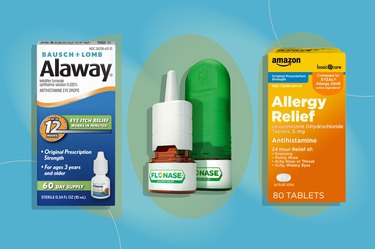
When you see a doctor about your seasonal allergies, he'll decide the best course of treatment. Over-the-counter antihistamines and decongestant may be all you need to treat hay fever symptoms. Over-the-counter products include the antihistamines Benadryl, Claritin, Zyrtec and Tavist along with the decongestant Sudafed. If you don't respond well to medication, your doctor may consider giving you allergy shots instead. Over the course of several years, the allergy shots desensitize your body to a particular seasonal allergen, like pollen from trees.

About this Author

Heather Topham Wood has written for several different Internet and print publications and is the author of a series of articles focused on health concerns. She pursues an active lifestyle through running, biking and skiing.

Last updated on: 07/16/09

Member Comments

Tools

Track your daily calories. See how many calories you burn and consume.

BMI is a measurement of body fat based on height and weight.

Map your local running, cycling, walking and hiking routes and track your calorie burn.

Find us on the web, receive emails and use our mobile app to keep you motivated.

This tool will help you to decide whether to treat at home or see a doctor.