


































































The Effects of a Vitamin D3 Overdose

The Effects of a Vitamin D3 Overdose
Photo Credit Thomas Northcut/Digital Vision/Getty Images

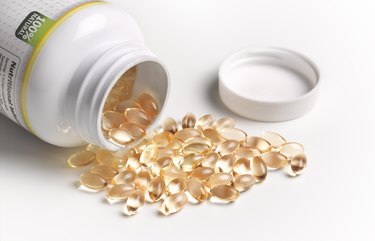
Vitamin D-3 is a nutrient essential to your health: it helps your body regulate calcium within your system, helps nourish your immune system, affects your blood pressure and guides cell development, according to the Linus Pauling Institute at Oregon State University. Your body produces vitamin D-3 when exposed to sunlight, but individuals who recieve little sunlight may require addition vitamin D-3 intake. While vitamin D-3 supplements can prove useful to prevent a vitamin D deficiency, taking too much vitamin D-3 lead to unpleasant side effects.

Effect on Bones

One effect of over-consuming vitamin D-3 is its effect on your bones. Mineral bone tissue contains the majority of your body's calcium, so signals that modify the distribution of calcium in your body often affect your bones. Indeed, vitamin D-3 over-supplementation causes calcium to leech from your bones, leading to a decrease in bone mineral density and bone loss, explains the Linus Pauling Institute. This can prove especially harmful to post-menopausal women, who already face an increased risk of bone loss due to a loss of estrogen.

Other Effects of Hypercalcemia

Overdosing on vitamin D-3 can lead to hypercalcemia, an increase in the levels of serum calcium in your body. Individuals who develop hypercalcium may experience abdominal or flank pain, abnormal thirst or urination, muscle weakness, depression, memory loss or nausea and vomiting, according to MedlinePlus. Hypercalcemia due to vitamin D-3 overdose may even cause more long-lasting effects, like the development of calcium in the kidney, along with kidney damage. A doctor can diagnose hypercalcemia through a simple blood test, and lower your vitamin D-3 dosage to help treat the disorder.

Drug Interactions

If you take prescription medication, taking large doses of vitamin D-3 may also affect your health. A number of medications, including some tuberculosis medications and diuretics, can increase the levels of vitamin D within your body, and combining these pharmaceuticals with vitamin D-3 supplements may increase your risk of vitamin dose overdose, according to the University of Maryland Medical Center. Disclose any supplement use to your doctor before you take any medical to help decrease the risk of harmful side effects.

Avoiding Vitamin D-3 Overdose

You can prevent a vitamin D-3 overdose by taking any dietary supplements as instructed by your doctor, and not combining dietary supplements unless advised by a medical professional. You can potentially avoid the need for vitamin D-3 supplements by receiving moderate sun exposure on a regular basis. The amount of sun exposure varies depending on your location, so talk to your doctor about how much sun exposure you need to produce adequate vitamin D. If you do take vitamin D-3 supplements, the Food and Nutrition Board at the Institute or Medicine suggests you not exceed 100 mcg of total vitamin D each day to avoid negative side effects.

References

Article reviewed by Jenna Marie Last updated on: Aug 7, 2011

Must see: Photo Galleries

Member Comments