






























An inner ear infection is the result of a bacteria or virus in the middle ear. This type of ear infection is normally the result of a cold, allergies or the flu. Though more common among infants and small children, inner ear infections can affect people of all ages. Some medications may be prescribed to treat an inner ear infection; however, herbs that have antibacterial properties, such as echinacea may also help. Talk with your doctor to determine if using herbs is a safe alternative for you.
Symptoms
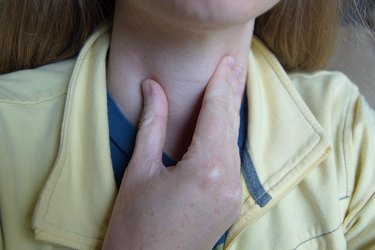
Symptoms of an inner ear infection can include earache, dull or throbbing pain, sore throat, fluid buildup as well as a possible fever of up to 103 degrees. Severe inner ear infections may lead to a perforation of the eardrum that can result in a loss of hearing and bloody discharge from the ear. According to Mayo Clinic, if you experience any sort of pain in the ear or discharge, you should consult your doctor for an evaluation as it may be the result of an underlying health condition.
Echinacea
Echinacea is a perennial herb that is native to North America. This herb has been used to treat an array of infections for more than 400 years. Echinacea contains antibacterial properties that helps enhance the body's immune system and protect it from inflammatory and infectious conditions. There are three different types of echinacea and most preparations using this herb may contain one, two, or all three types. This may affect how well an individual preparation will work.
Dosage
Echinacea is available in the form of capsules, tinctures, tablets and extracts. For general immune stimulation, the University of Maryland Medical Center recommends taking between 6 to 9 mL of expressed juice, 2 to 3 mL of standardized tincture extract, or up to 2 g of dried herb in the form of an herbal tea. One of these preparations may be taken up to three times per day for up to 10 days. The recommended dosage of echinacea for children is one-third of the adult dose. However, it is strongly suggested that speak with child's pediatrician before giving him herbs.
Warnings
Herbal remedies are not always safe and may lead to side effects or adverse reactions particularly if taken in combination with other medications. If an allergic reaction occurs, stop using echinacea immediately and consult your doctor for an evaluation. Women that are nursing or pregnant should not use herbs for the treatment of any condition.


