


































































Including foods and products with probiotics may help improve your digestive health and support immune system activity. Yogurt and other dairy products are the most well known foods that have probiotics. However, vegans who do not consume meat, fish, poultry, eggs, dairy products or other animal-based foods would not consume yogurt. For those who follow a vegan diet, there are non-animal sources of probiotics.
Probiotics
There are certain strains of bacteria that help keep the body healthy. These good types of bacteria are called probiotics and they can help destroy strains of bacteria that cause disease. Probiotics can be obtained by eating certain foods or taking supplements. While much more research is needed, consuming probiotics may help manage diarrhea, urinary tract infections and digestive diseases, notes the National Center for Complementary and Alternative Medicine. However, there are many strains of probiotics all of which have varying effects on the body depending on how they are prepared. More studies are needed to fully understand the health effects each type of probiotic may have.
Miso
Miso, which is a Japanese seasoning made from rice, salt, fungi, barley or soybeans, is a vegan source of probiotics. It is a thick, paste-like substance that can be added to soups and many other dishes. Its taste can vary from salty or sweet based on the combination of ingredients used. To determine if a product such as miso contains probiotics, look for the terms "live" and "active cultures" on the package or ingredient list. Miso is part of a healthy overall diet as it also contains fiber, omega-3 fatty acids, protein, and other essential vitamins and minerals. It is also low in calories. However, it can be high in sodium so read the nutrition label carefully.
Tempeh
Tempeh is another vegan product that can be added to a variety of foods. Tempeh is produced by cooking and fermenting soybeans and sometimes other grains are added as well. It is part of a healthy diet as it is high in protein and calcium, but low in calories, salt and fat. It can be eaten like a veggie burger or crumbled into other foods. While generally considered safe, probiotics can cause side effects such as upset stomach, diarrhea, gas and bloating when first added to the diet.
Soy Yogurt
Vegans who do not consume yogurt made from dairy products can get healthy bacteria form eating soy yogurt that has been fermented. Soy yogurt is made from soy milk and can be mixed with cereal, eaten alone, or used in place of cream cheese or sour cream. Soy yogurt tends to be low in calories, fat and salt, but is high in protein and calcium. Consuming soy products may provide many health benefits and the University of Michigan Health System suggests getting one to two servings of soy products per day.
Juice
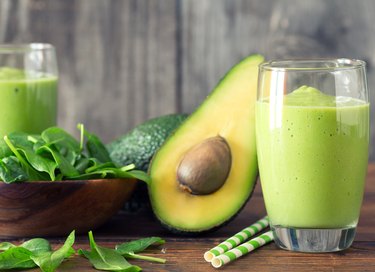
There are many types of juices on the market and some have probiotics added to them. These products can be in the form of plain juice or smoothies. Juices can vary greatly in their sugar and calorie content so it is important to read the nutrition label carefully.


Member Comments