






























































Myasthenia Gravis and Fatigue Following Exercise

Myasthenia Gravis and Fatigue Following Exercise
Photo Credit Jupiterimages/Goodshoot/Getty Images

Myasthenia gravis is an autoimmune disorder that affects your muscles and impairs normal communication between the nerves and muscles. As a result, a person with myasthenia gravis experiences weakness in the arm and leg muscles, and difficulty with speech and breathing. While maintaining a healthy lifestyle through exercise is important, your condition may make exercise difficult and mean you are more easily fatigued. You may need to adopt a specialized exercise program to reduce injury risk.

Assessment

A physical therapist determines the right exercises for you and addresses steps to reduce fatigue. A physical therapist will perform an initial assessment with you known as a 3-minute walking test. During this test, the therapist measures your movements while you walk, observing how many rest breaks you take during the test. This assessment determines your overall exertion level and serves as a barometer for muscle fatigue after exercise.

Timing

Since muscles weaken as the day progresses, exercise is best performed in the morning, when your muscles are strongest. Because rest periods help reduce muscle fatigue, an ideal scenario is exercising in the morning, resting for a time period, then resuming daily activities. If this does not fit into your lifestyle, however, exercising earlier in the day in an environment that is not extremely hot -- which fatigues your muscles more quickly -- is best.

Exercise Order

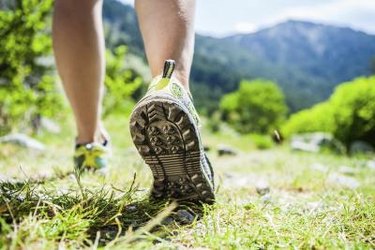
While your physician or physical therapist may make individualized recommendations based on your unique condition, the typical program involves alternating between arm and leg exercises. While most exercisers perform three sets of weight-training exercises in a row, you might benefit more from performing a set of biceps curls, then switching to leg extensions that work the quadriceps muscles. This gives you more time to rest between sets, which helps prevent fatigue. While your condition may not allow you to perform vigorous exercises such as running, try low-impact, gentle exercises that help you to relax: walking, tai chi and chair yoga may work well as calorie-burning exercises you can perform without fatigue.

Treatment

Apply ice to affected areas that feel especially fatigued. The ice charges your nerves, helping to improve transmissions to your brain and strengthening muscle, according to David Dansereau, a physical therapist writing on My Physical Therapy Coach. However, if you experience pain, don't try to push past it. Instead, cease exercising and allow your muscles to rest -- this is vital to helping you feel better.

References

Article reviewed by Tina Boyle Last updated on: May 5, 2011

Must see: Photo Galleries