
























Anxiety Disorder Brought on by Caffeine Overdose

Anxiety Disorder Brought on by Caffeine Overdose
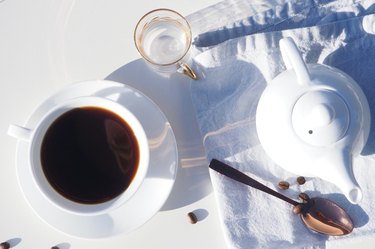
Photo Credit Caffe in grani image by Comugnero Silvana from Fotolia.com

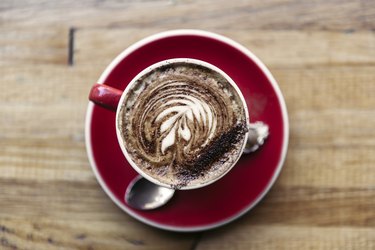
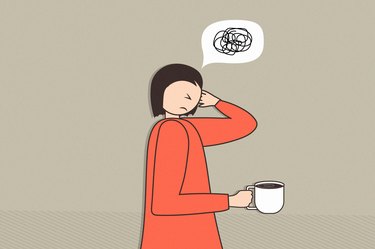
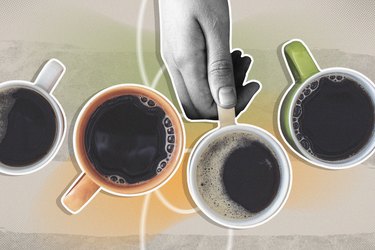
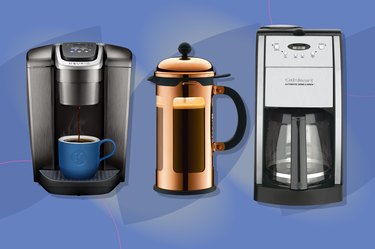
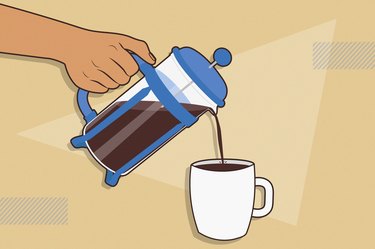
Caffeine is a known stimulant that is often consumed in coffee, certain teas and soda. Although consumption of caffeine is socially acceptable, it can sometimes cause side effects similar to certain anxiety disorders, particularly if the caffeine intake is excessive. In order to avoid caffeine-induced anxiety disorders, it is helpful to know some of the symptoms.

Properties of Caffeine

Caffeine is a stimulant drug that affects the central nervous system. It is legal and approved by the FDA for use in certain foods and beverages, such as coffee, tea, chocolate, soda and energy bars, as well as in some medications. When used in small amounts, caffeine can cause you to feel more alert and less tired. This prompts many people to drink beverages or eat foods containing caffeine when they are working for long periods of time or when they have not gotten enough sleep.

Signs of Overdose

When you consume too much caffeine, you can experience a caffeine overdose. Symptoms of caffeine overdose can mimic the signs of an anxiety disorder, which can make some people think they are having an anxiety attack. These symptoms include difficulty breathing, irregular or rapid heartbeat, dizziness, confusion and even hallucinations. If you are experiencing any of these symptoms and think you may be experiencing a caffeine overdose, seek medical attention immediately.

Considerations

If you are prone to anxiety or have a nervous temperament, avoid foods and beverages that contain caffeine. Even smaller doses of caffeine can worsen anxiety symptoms in sensitive individuals and can exacerbate nervous system-related disorders.

Alternatives

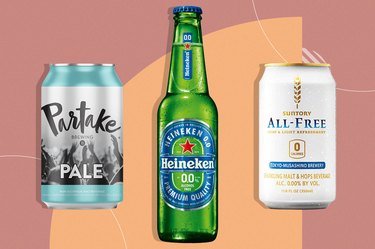
If you are sensitive to caffeine, replace caffeine-containing foods and beverages with those that do not contain stimulants, such as herbal teas, white chocolate and decaffeinated coffee. Read the labels on snacks promoted to increase energy, such as energy drinks or energy bars, to ensure that they do not contain caffeine. Examine the labels of medications as well, particularly headache relievers and cold medicines, and buy those that do not contain caffeine.

References

Article reviewed by LynMarie Lee Last updated on: May 23, 2011

Must see: Photo Galleries