


























































What Are the Health Benefits of French Press Coffee?

What Are the Health Benefits of French Press Coffee?
Photo Credit coffee in coffee image by Maria Brzostowska from Fotolia.com

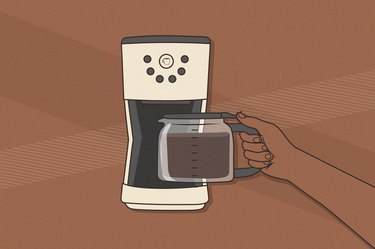
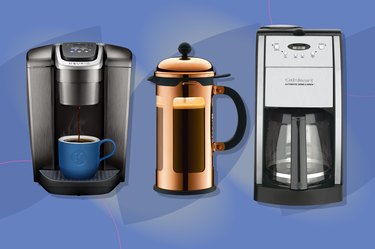
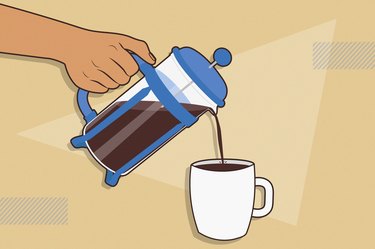
The difference between French press and drip coffee is that the grounds using a French press are steeped in boiling water while water just passes through the grounds in an auto or manual drip system. Grounds used for French press coffee must be larger and rougher. These grounds tend to release more caffeine, especially when steeped longer. Connoisseurs contend that this method of brewing produces a richer, fuller flavor. A serving that's higher in caffeine may also have health advantages as well.

Parkinson's Disease

In recent years, caffeine in coffee has been linked to a reduced risk of Parkinson's disease. Since it's specifically the caffeine that experts are holding responsible, opting for a cup of French press coffee may be more beneficial than drip. A long-term study by the Honolulu Heart Program analyzed the relationship between coffee consumption and Parkinson's incidence by looking at more than 8,000 Japanese-American men over a period of three decades. Men who consumed the most coffee actually had the lowest rates of Parkinson's while men who did not drink it at all were five times more likely to exhibit symptoms. Unfortunately, women do not seem to reap the same Parkinson's prevention benefits, possibly due to the interference of some hormones.

Heart Disease

There may be a long-running belief that caffeine can raise your blood pressure, but experts are uncovering evidence that a cup of caffeinated joe could actually be good for your ticker. In 2007, researchers from Brooklyn College in New York City analyzed 426 cardio vascular deaths in more than 6,500 individuals aged 32 to 86 with no history of cardiovascular disease. Participants aged 65 and over with higher caffeine intake showed a lower risk of heart disease and death from a cardiac event than those who drank less caffeinated coffee. There does not seem to be a protective effect in people under age 65 or those with severe hypertension.

Alzheimer's Disease

The caffeine in coffee may make you feel anxious and jittery in the short term, but in the long run, it could have a variety of cognitive benefits. A 2011 study published in "The Journal of Physical Chemistry B," researchers found that antioxidants in caffeine fight off harmful free radicals associated with a higher risk of Alzheimer's disease. These same antioxidants, according to the study authors, also have a beneficial effect on heart health.

Considerations

While previous generations may have been led to believe that too much caffeine could stunt your growth or that it leads to bone loss today we know that's not true. Coffee, however, should be appreciated in moderation, especially if you take yours with a heaping of sugar and more than a splash of cream, both of which can lead to weight gain by adding calories to your diet. Heavy caffeine use, according to Donald Hensrud, MD, a preventive medicine specialist from the Mayo Clinic, such as drinking more than five to seven cups a day, can cause restlessness, irritability and anxiety.

References

Article reviewed by Vesna Vuynovich Kovach Last updated on: May 25, 2011

Must see: Photo Galleries

Member Comments