






















































Dripped Coffee & Cholesterol

Dripped Coffee & Cholesterol
Photo Credit Creatas Images/Creatas/Getty Images

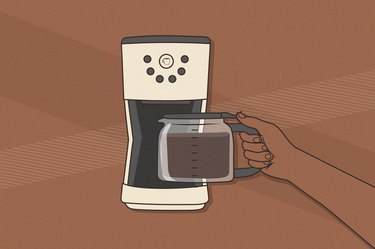
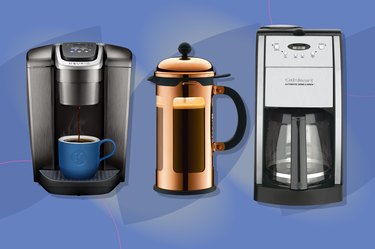
Many cultures embrace coffee, although the method of brewing varies broadly. In the early 1970s, the household drip coffeemaker hit store shelves and quickly replaced percolators in many American homes. The paper filter used in making dripped coffee keeps the grounds separate from the brew and traps chemicals from coffee beans that might affect your cholesterol level.

Diterpenes and Cholesterol

Diterpenes are a group of plant-derived oils and resins. Arabica and robusta coffee beans contain the diterpene cafestol, which might raise your total blood cholesterol, triglyceride and LDL, or "bad" cholesterol, levels. Elevations in these blood fats might increase your risk of heart disease and stroke. Kahweol, another diterpene found in arabica beans, adds to the cholesterol-raising effect of cafestol. Cafestol, however, raises cholesterol more than kahweol by influencing cholesterol regulation in your body.

Paper Filtration

A hallmark study conducted by Marijke van Dusseldorp, Ph.D., and colleagues and published in 1991 in the journal "Arteriosclerosis, Thrombosis and Vascular Biology" demonstrated that paper filters, such as those used to make dripped coffee, trap the cholesterol-raising diterpenes from coffee beans. The investigators found no significant difference in blood fat levels between participants who drank six cups of filtered coffee daily and those who drank no coffee.

Research

In a 2001 article published in the "American Journal of Epidemiology," Sun Ha Jee, Ph.D., M.P.H., and colleagues reviewed the results of 18 studies evaluating the effects of coffee on blood fats. Jee and his research team determined that consumption of filtered coffee had no significant effect on total blood cholesterol or LDL levels. Unfiltered coffee, however, raised both blood fat levels, especially among people who drank six cups or more daily.

Coffee Pods

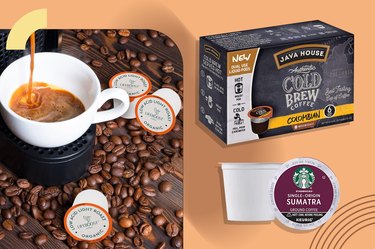
The increasingly popular single-serving coffee pod machines are a modified version of a standard drip coffeemaker. The coffee-containing pods, also known as coffee pads, contain a small paper filter similar to that used in a regular drip coffeemaker, but unlike a drip coffeemaker, a coffee pod machine forces water into the coffee grounds under pressure. In a December 2006 article published in the "Dutch Journal of Medicine," Mark V. Boekschoten, Ph.D., and fellow researchers reported that coffee prepared with a coffee pod machine contains negligible amounts of cholesterol-raising cafestol and kahweol. The amounts found were virtually identical to those recovered in filtered coffee. Therefore, coffee made with a pod machine would be expected to have no significant effect on your total blood cholesterol and LDL levels.

References

Article reviewed by Shawn Candela Last updated on: Jun 5, 2011

Must see: Photo Galleries