Vitamin D is called the "sunshine vitamin" because our bodies produce it when our skin is exposed to sunlight. The nutrient helps maintain strong bones and a healthy immune system, among other benefits, according to the National Institutes of Health (NIH).
About 50 percent of the world's population — an estimated 1 billion people — is deficient in D, according to an April-June 2012 study in the Journal of Pharmacology & Pharmacotherapeutics.
Video of the Day
Video of the Day
How Much Vitamin D Do You Need?
The recommended intake of vitamin D is 20 micrograms (mcg) for adults and children 4 years and older, according to the U.S. Food and Drug Administration (FDA).
There are two types of vitamin D:
- Vitamin D3 (cholecalciferol) is the type your body makes when it's exposed to sunlight. It's also present in foods such as fatty fish.
- Vitamin D2 (ergocalciferol) is found in some plants such as certain types of mushrooms.
The best way to get vitamin D is via sunlight, but you can get vitamin D from food, too. That said, there aren't many foods naturally high in vitamin D, so many household staples are fortified with it to help make up for deficiencies in the American diet, per the NIH. Milk, for example, is fortified with a standard amount of 3 micrograms — even most plant-based milk varieties are, too.
Add this list of foods high in vitamin D to your shopping cart. Note that the Daily Value (DV) percentages below are based on eating 20 micrograms per day.
Foods Naturally High in Vitamin D
1. Trout: 168% Daily Value (DV)
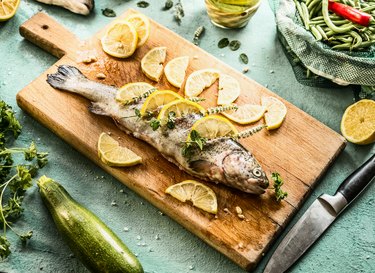
This freshwater fish is known for its mild flavor and creamy, delicate texture. It's a wonderful source of vitamin D, offering 33.6 micrograms or 168 percent of your DV in a cooked 6-ounce fillet. It also scores you omega-3s, which are linked to a reduced risk of heart disease, per the American Heart Association.
Is Swordfish High in Vitamin D?
A cooked 6-ounce fillet has 149 percent of your DV of vitamin D. However, the FDA urges avoiding swordfish as it contains high levels of mercury.
2. Sockeye Salmon: 142% DV
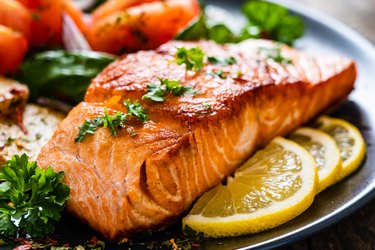
Like trout, this popular fatty fish is one of the best foods high in D3, with 28.4 micrograms or 142 percent of your DV in a cooked 6-ounce fillet. Salmon also provides protein and heart-protective omega-3s.
3. Cremini Mushrooms: 139% DV
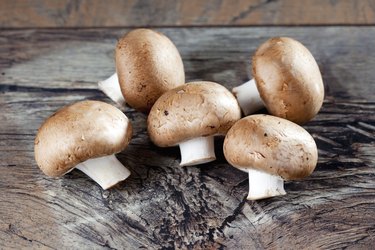
Few vegetables are high in vitamin D, with mushrooms being the exception. Just like humans, when exposed to sunlight, mushrooms synthesize vitamin D2, which makes them some of the best foods rich in vitamin D, per a June 2013 study in Food Chemical Toxicology.
Wild mushrooms like cremini are your best bet, providing 27.8 micrograms or 139 percent of your DV in 1 raw cup.
Tip
If you're buying mushrooms for their vitamin D content, check the label for "exposed to sunlight" and the nutrition facts to ensure the vegetable's high in vitamin D.
4. Portobello Mushrooms: 122% DV
Just after cremini mushrooms comes portobello mushrooms, a go-to meat alternative and vegan food high in vitamin D. Portobello mushrooms offer almost as much vitamin D as cremini, with 24.4 micrograms or 122 percent of your DV per raw cup. They, too, synthesize the nutrient when exposed to sunlight, so look for that on the label.
5. Gefilte Fish: 103% DV
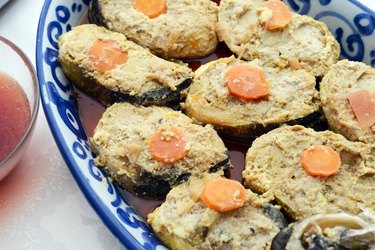
This poached combination of ground, deboned fish is a common dish among Ashkenazi Jewish households. It's very high in vitamin D, accounting for 20.7 micrograms or 103 percent of your DV in one cup. It also packs nearly 40 grams of satiating protein.
6. Smoked Whitefish: 87% DV
Salty, smoked whitefish is an excellent source of vitamin D, serving up 17.4 micrograms or 87 percent of your DV in one cup. It's also high in protein, vitamin B12, copper and selenium.
7. Halibut: 49% DV
This mild-tasting fish contains 9.9 micrograms or 49 percent of your DV of vitamin D in a cooked 6-ounce serving, as well as B vitamins, magnesium and potassium.
8. Sardines: 41% DV
Sardines are easy to come by, as they're often canned, and incredibly nutritious. One 6-ounce serving provides 8.2 micrograms or 41 percent of your DV of vitamin D, while a 3.75-ounce can gives you 22 percent of your DV.
Just note that sardines can be high in sodium, so try to pick a brand without too much added salt. Then, try them in these sardine recipes that don't taste fishy.
9. Tilapia: 31% DV
Tilapia is one of the top foods high in D3, offering 6.3 micrograms or 31 percent of your DV in a cooked 6-ounce serving. You'll also get almost 45 grams of muscle-building protein.
10. Morel Mushrooms: 17% DV
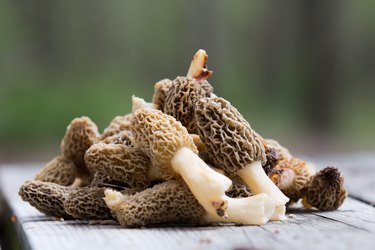
These mushrooms might be harder to find than other varieties such as cremini, portobello and button, but if you're able to score them, you'll reap plenty of nutrients. One cup of raw morel mushrooms gives you 3.4 micrograms or 17 percent of your DV of vitamin D and 45 percent of your DV of iron.
11. Egg Yolks: 5% DV
One large egg yolk contains 0.9 micrograms or 5 percent of your DV for vitamin D. Egg whites don't contain any vitamin D, so if you're omitting the yolks from your omelets, you're missing out on this vital nutrient.
Fortified Foods High in Vitamin D
12. Extra-Firm Fortified Tofu: 28% DV
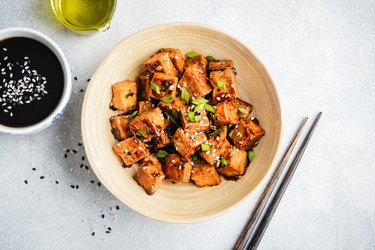
This protein-packed meat alternative is rich in a host of nutrients, including calcium, iron, vitamin B12 and vitamin D. One cup offers 5.7 micrograms or 28 percent of your DV of vitamin D. Try it in these anything-but-bland tofu recipes.
13. Cow's Milk: 16% DV
Cow's milk, whether it's full-fat or skim, is fortified with vitamin D. An 8-ounce glass contains 3.2 micrograms or 16 percent of your DV along with a host of other nutrients including calcium and vitamins A and B12.
14. Soy Milk: 15% DV
If you're avoiding dairy, soy milk is a great alternative to cow's milk: It contains 2.9 micrograms or 15 percent of your DV for vitamin D and about 7 grams of protein in an 8-ounce glass. Plus, it's a top food high in vitamin D and magnesium.
Contrary to popular belief, there is no established link between the isoflavones — plant compounds that act like estrogen in the body — found in soy and breast cancer, according to the American Cancer Society.
15. Fortified Orange Juice: 10% DV
There aren't any fruits high in vitamin D, but some fortified orange juice brands contain the nutrient. For example, Tropicana Calcium + Vitamin D Orange Juice has 2.5 micrograms or 10 percent of your DV of vitamin D (plus 10 percent DV of calcium) in 1 cup.
Make sure to check the nutrition facts label for your OJ's vitamin D content to make sure you're choosing a fortified brand.
Related Reading
Vitamin D and Calcium
Vitamin D and calcium work together, and you need both to keep your bones healthy.
That's because vitamin D helps increase calcium absorption. Without enough vitamin D, your body absorbs less than 15 percent of the calcium you get from food whereas with enough vitamin D, calcium absorption increases to around 30 to 40 percent, per an April 2008 report in Current Rheumatology Reports.
You need 20 micrograms of vitamin D per day and 1,000 milligrams of calcium per day, per American Bone Health.
Some foods high in vitamin D and calcium include:
- Dairy milk
- Fortified soy milk
- Fortified orange juice
- Sardines with the bones (the bones contain calcium)
- Herring
Related Reading
- NIH: "Vitamin D Fact Sheet"
- American Heart Association: "Fish and Omega-3 Fatty Acids"
- JAMA Network Open: "Association of Vitamin D Status and Other Clinical Characteristics With COVID-19 Test Results"
- Journal of Pharmacology & Pharmacotherapeutics: "Vitamin D: The “sunshine” vitamin"
- FDA: "Daily Value on the New Nutrition and Supplement Facts Labels"
Was this article helpful?
150 Characters Max
0/150
Thank you for sharing!
Thank you for your feedback!