


































































Frequent Urination & Salt

Frequent Urination & Salt
Photo Credit Hemera Technologies/AbleStock.com/Getty Images

Most studies involving salt--or sodium, for that matter--have examined its effect on blood pressure. People with a sensitivity to sodium often experience an increase in blood pressure as a result of a high-salt diet. But not much is known about its effect on urination. As of 2011, most theories on the topic are anecdotal at best.

Thirst

Until recently, the link between salt and frequent urination was based on thirst. Salty foods have long been thought to increase a person's thirst, so it stands to reason that the more sodium in your diet, the more fluids you tend to drink. In turn, you produce more urine, which increases the frequency of urination. But this idea may not hold much weight. In fact, a study published in the "Journal of Laboratory and Clinical Medication" found that water consumption is independent of sodium intake.

Volume

Urine volume, on the other hand, appears to be affected by sodium intake. A study led by the Blood Pressure Unit at St. George's Hospital Medical School in London found that urine volume decreases, on average, by 367mL for every 100-mmol reduction in salt intake. The effects took place in as little as 24 hours of reducing salt intake. Decreasing the volume of your urine obviously decreases the need to urinate; therefore, the frequency of urination declines. The reverse is true for an increase in salt intake.

Recommendation

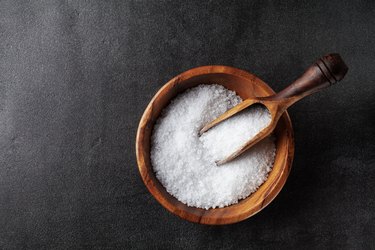
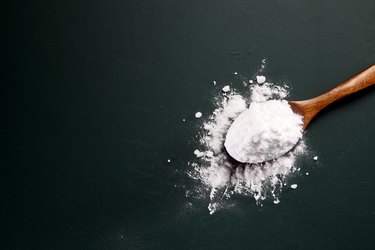
According to the U.S. Department of Agriculture, keep your sodium intake to no more than 2,300mg. This is equivalent to 1 tsp. of salt. As of 2009, however, the American Heart Association recommends limiting your intake even further, especially after the age of 20. The new limit for sodium is no more than 1,500mg. Keeping your sodium intake at or below this level can help prevent and manage high blood pressure.

Frequency

The frequency of your urination may have nothing to do with you salt intake. Instead, it could be an indication of an underlying disorder. One of the most common causes is a urinary tract infection, but it could also be the result of an enlarged prostate, overactive bladder, prostate infection, vaginitis, urinary incontinence or even medications. Talk to your doctor to determine exactly what's causing your urination problems. Proper diagnosis is important to not only decrease the frequency of urination, but also treat the condition causing the symptom.

References

Article reviewed by Lisa Michael Last updated on: Jun 24, 2011

Must see: Photo Galleries

Member Comments