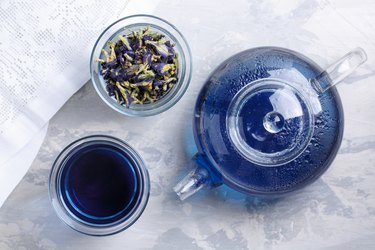
Most types of tea, including antioxidant-rich green and black teas, contain small amounts of caffeine. If you're sensitive to stimulants, don't fret — you can always use decaffeinated tea bags. This way, you'll be able to enjoy your favorite tea without the jitters.
Tip
Decaf tea is just as healthy and nutritious as its regular counterpart but without the side effects of caffeine. It's ideal for moms-to-be and people who are sensitive to stimulants.
Video of the Day
What's Wrong With Caffeine?
Black tea has emerged as a popular alternative to coffee. Rich in antioxidants, it protects against inflammation, heart disease, high blood pressure and even cancer, according to a mini-review featured in the International Journal of Health Sciences in May-June 2019. Just like your morning cup of joe, it contains caffeine, keeping you energized throughout the day.
Video of the Day
One cup of black tea provides anywhere between 30 and 50 milligrams of caffeine, reports the FDA. This compound has antioxidant and anti-inflammatory properties, supports brain function, improves mental performance and makes it easier to keep the pounds off, among other benefits. Healthy adults may consume up to 400 milligrams per day without worrying about side effects.
Read more: 14 Legit Ways Coffee Can Boost Your Health
So, what's wrong with caffeine? Some individuals are sensitive to stimulants and may experience adverse reactions after drinking coffee, tea, energy drinks and other beverages that contain caffeine. It all comes down to their genetic makeup, according to a June 2018 report published by the Institute for Scientific Information on Coffee.
Furthermore, caffeine may increase blood pressure in some people. When consumed in large doses, it may cause anxiety, sleep problems, arrhythmia, jitters and headaches.
Whether you're sensitive to stimulants or trying to limit caffeine, you don't have to give up your cup of tea. Most brands are now offering decaffeinated tea bags that provide the same benefits as regular tea.
Decaffeinated Tea Health Benefits
Caffeine isn't the only beneficial compound in tea. This popular beverage packs a hefty nutritional punch. Black and green teas, for example, are chock-full of catechins, theaflavins, polyphenols and other antioxidants.
A review published in the British Journal of Pharmacology in October 2016 discussed these compounds' potential health benefits. As the researchers note, these tea varieties are rich in epigallocatechin gallate (EGCG), an antioxidant that may inhibit cancer cell growth. The phytochemicals in green tea appear to be particularly beneficial in the prevention of breast, prostate, lung and colorectal cancers.
Read more: 10 Everyday Ailments Soothed by Tea
Decaffeinated green tea and black tea catechins may also facilitate weight loss by reducing the absorption and digestion of carbs and fats, according to the above review. Due to their high antioxidant levels, they protect against oxidative stress, which plays a major role in the onset of kidney and heart disease, dementia, cognitive impairment and age-related disorders.
Taking the caffeine out of tea doesn't affect its nutritional value and antioxidant content. It's the same tea, but without stimulants. The downside is that it might not give you the same energy and stamina as regular tea.
Why Switch to Decaf Tea?
From a better night's sleep to a better mood and whiter teeth, there are plenty of reasons for switching to decaf tea. As mentioned earlier, caffeine has its drawbacks. It may increase anxiety, affect your sleep and raise your blood pressure. This compound may also reduce collagen synthesis and accelerate aging, according to an October 2014 review published in Drug Design, Development and Therapy. Decaf tea has none of these side effects.
The FDA states that ingesting high doses of caffeine may alter your mood, cause nausea and worsen anxiety. You may also experience digestive discomfort and headaches. If you drink caffeinated beverages before bedtime, you may have trouble falling asleep. This can affect your productivity and energy levels.
Warning
Decaf tea does contain small amounts of caffeine, states the FDA. If you’re sensitive to stimulants, switch to caffeine-free herbal teas or avoid drinking tea before bedtime.
Additionally, caffeine may not be safe for expecting mothers, warns the American Pregnancy Association. This natural compound has diuretic effects and may lead to dehydration. It has been also linked to infertility and miscarriage, although more research is needed to confirm these findings. To stay safe, swap your regular tea for decaffeinated tea bags.
Read more: 8 Non-Caffeine Ways to Boost Your Energy
This stimulant isn't necessarily harmful, but some people are more sensitive to it than others. On top of that, it may lead to pregnancy complications. Decaf tea is just as healthy as its regular counterpart — but safer.
- International Journal of Health Sciences "Molecular Evidences of Health Benefits of Drinking Black Tea"
- FDA: "Spilling the Beans: How Much Caffeine Is Too Much?"
- NCBI: "The Neuroprotective Effects of Caffeine in Neurodegenerative Diseases"
- NCBI: "Caffeine as an Attention Enhancer: Reviewing Existing Assumptions"
- NCBI: "Caffeine Intake Is Related to Successful Weight Loss Maintenance"
- Institute for Scientific Information on Coffee: "Genetics, Metabolism and Individual Responses to Caffeine"
- Mayo Clinic: "Caffeine: How Does It Affect Blood Pressure?"
- British Journal of Pharmacology: "Antioxidants From Black and Green Tea: From Dietary Modulation of Oxidative Stress to Pharmacological Mechanisms"
- Nutrients: "Epigallocatechin Gallate (EGCG) Is the Most Effective Cancer Chemopreventive Polyphenol in Green Tea"
- NCBI: "Oxidative Stress, Aging, and Diseases"
- Drug Design, Development and Therapy: "Influence of Caffeine and Hyaluronic Acid on Collagen Biosynthesis in Human Skin Fibroblasts"
- American Pregnancy Association: "Caffeine Intake During Pregnancy"