If you have a blood-clotting disorder, coumadin can be a lifesaver. Therefore, it's crucial to follow the doctor's orders regarding your diet. There aren't any foods to avoid on coumadin, but you do have to maintain a consistent intake of foods containing vitamin K.
Coumadin and Vitamin K
Video of the Day
Sold under the brand name Warfarin, coumadin is a prescription anticoagulant medication that prevents the formation of clots in the blood. Blood clotting is a normal physiological process that prevents excessive bleeding when you have an injury. However, certain conditions may cause the blood to clot abnormally, points out the Cleveland Clinic. If this happens in your veins and arteries, it can be life-threatening.
Video of the Day
Vitamin K is a fat-soluble vitamin required for normal blood clotting and bone health. Certain proteins in the body are referred to as vitamin K-dependent because they can be synthesized only in the presence of this nutrient. One such protein called prothrombin is responsible for blood clotting, according to the Harvard T.H. Chan School of Public Health.
Coumadin works by counteracting vitamin K and prothrombin activity. Therefore, you might think it makes sense to lower your intake of vitamin K as much as possible on a coumadin diet. That's not necessary.
However, you do need to stabilize your intake, consuming about the same amount every day. Consistent levels of vitamin K help control blood clotting and make it easier for coumadin to do its job.
Read more: Vitamin K Toxicity Symptoms
Warfarin Foods to Avoid
In order to keep your vitamin K intake consistent, it's important to educate yourself on the nutritional values of vitamin K-rich foods. That way, you won't inadvertently increase or decrease your consumption from week to week.
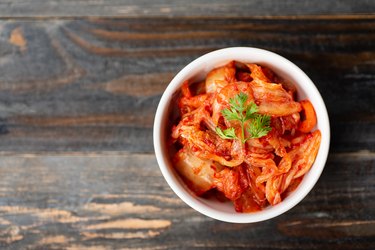
The highest amounts of vitamin K are found in fermented foods, including kimchi and kefir. Natto, a fermented soybean product, is very high in vitamin K, with 850 micrograms, or 1,062 percent of the daily value (DV) per 3 ounces, according to the National Institutes of Health.
Many leafy green vegetables are also high in vitamin K:
- Boiled collard greens: 530 micrograms per one-half cup
- Boiled turnip greens: 426 micrograms per one-half cup
- Raw spinach: 145 micrograms per cup
- Raw kale: 113 micrograms per cup
- Boiled, chopped broccoli: 110 micrograms per one-half cup
Other foods contain vitamin K in lower amounts. Carrot juice, soybean oil, roasted soybeans, edamame, pumpkin, pomegranate juice, okra, pine nuts, blueberries, iceberg lettuce, chicken breast, grapes and canola oil are just a few examples.
Keeping Track of Coumadin
Whether you choose to include high-vitamin K foods or low vitamin K foods in your coumadin diet isn't the concern. What matters most is to maintain a consistent intake.
It's a good idea to print out a list of all the foods containing measurable amounts of vitamin K so you can keep track. You may also use the USDA's FoodData Central to determine the amount of vitamin K in the foods you eat.
Your doctor will likely ask you to track your intake so she can get an idea of how much vitamin K you consume. She can then adjust your medication accordingly. If you increase or decrease your vitamin K intake, be sure to let your doctor know so she can make any necessary changes to your dosage.
Regular blood testing will also alert you and your doctor about possible problems with your vitamin K consumption. If its levels in the bloodstream are too high or too low, you will need to figure out if it's due to inconsistent eating patterns.
- Cleveland Clinic: "Anticoagulant Medication Warfarin (Coumadin)"
- Cleveland Clinic: "Blood Clots"
- NIH: "Vitamin K"
- Vancouver Coastal Health: "Diet Guidelines While Taking Warfarin or Coumadin™"
- Harvard T.H Chan School of Public Health: "Vitamin K"
- USDA: FoodData Central
- Food Chemistry: "Determination of Vitamin K Composition of Fermented Food"