



































































Swollen lymph nodes in your neck usually come from exposure to a virus or bacteria but can come from a blockage or even cancer. Your doctor may have prescribed physical therapy following your neck dissection, or the removal of the lymph nodes and cancerous tissue in and around your neck. Therapy reduces long-term neck and shoulder pain after a neck dissection, according to Georgetown University. Physical therapy helps your lymph nodes drain through exercise techniques, manual drainage and implementing proper skin care.
Lymph Nodes
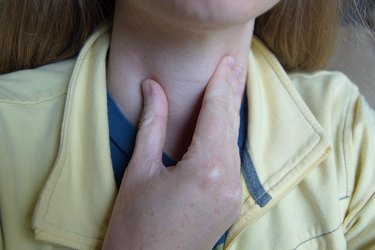
Your lymphatic system collects excess fluids and proteins, known as lymph, from body tissues and transports them back to your bloodstream. Lymph passes through small, bean-shaped lymph nodes. The lymph nodes in your neck may swell when you get an infection, experience an increase in lymph for some reason, or if something prevents the node from draining. Physical therapy helps drain the lymph nodes in your neck, known as cervical lymph nodes, through exercise and manual drainage techniques including massage.
Lymphedema
You may require physical therapy for lymphedema, which occurs when normal lymph node drainage is blocked. You are at special risk for lymphedema in the nodes of your neck if you have scar tissue in your neck or under your collar bone resulting from radiation therapy. Your physical therapist will help you manage postoperative scars to reduce your risk for lymphedema. Cancer in your neck will also raise your risk for lymphedema, making you a good candidate for physical therapy.
Drainage
There is no cure for lymphedema but physical therapy can improve drainage and reduce swelling of your lymph nodes by combining exercises with manual lymph drainage techniques, compression garments, skin care and patient education. Since you cannot wear compression garments around your neck, exercise and skin care become the focal point of physical therapy. Your physical therapist will show you exercises to improve the flow of lymph fluids and improve your cardiovascular health, which can reduce swelling in some cases.
Skin Care
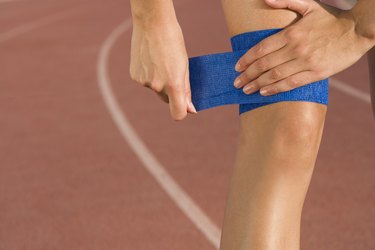
Your physical therapist will instruct you on special safety technique and wound care. Take care to avoid injury during physical therapy sessions and in your daily life. Cover all wounds before visiting the physical therapy department and always wear proper footwear. Lymph node removal leaves you at heightened risk for serious infections resulting from even the smallest wounds. Physical therapists specially trained in wound care will oversee your skin care program, including evaluation, debridement and the use of compression bandages to cover wounds. Your physical therapist will guide you through proper skin cleaning and how to moisten your skin with lotion, according to the American Physical Therapy Association.


