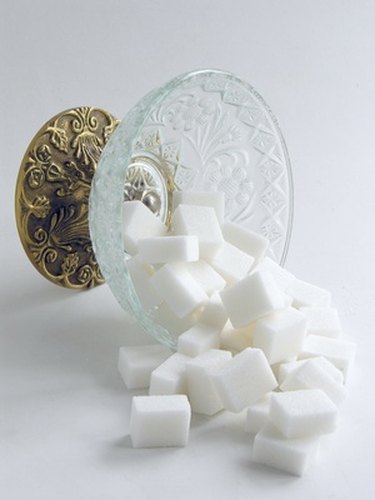
Healing through the use of sugar is an old-time tradition that has been used by both Native Americans and different tribes in Africa. In 2009, a series of tests were conducted in British hospitals to determine whether there's any truth behind the idea that sugar can be used to treat wounds and ease pain. After a series of tests, the Daily Mail newspaper in England reported that the treatment had been a success.
Step 1
Clean the wound well using soap and warm water. Pat dry until you're sure there is no moisture left. If there debris or foreign objects are observed within the wound, extract everything and clean again.
Video of the Day
Step 2
Pour sugar directly on the wound, making sure it gets into the wound and doesn't stick only to the surface. If the wound is large, cover it with honey first and then sprinkle sugar on top. The honey will help the sugar stay in place and provide its full healing benefits.
Step 3
Cover with a bandage immediately and secure the bandage with tape. The bandage will prevent bacteria and debris from getting into the wound.
Step 4
Change the bandage and repeat the cleaning and sugar application once a day. Rip off the bandage rather than pulling it softly. The hard motion will remove dead tissue and clear the wound.
Step 5
Be consistent. Sugar healing is a slow process, and it can take several months for serious wounds to heal. However, you should start seeing positive results right away, as the sugar will reduce pain and throbbing in the wound and the surrounding tissues.
Things You'll Need
Sugar
Honey
Gauze or bandages
Tape
Video of the Day