Many think of estrogen as a "women's hormone," but that's not entirely true. Estrogen promotes reproductive and sexual health in both sexes. But people assigned female at birth (AFAB) have significantly more estrogen than people assigned male at birth (AMAB).
Our bodies naturally produce estrogen at different levels throughout the lifecycle. It's a delicate balancing act of estrogen and progesterone to keep a person AFAB's monthly cycles consistent, according to the Cleveland Clinic.
Video of the Day
Video of the Day
For people AMAB, estrogen and testosterone are the two main hormones that work together in a particular balance for reproductive function and health.
According to the Cleveland Clinic, symptoms of low estrogen include:
What Are Phytoestrogens?
Phytoestrogen is a substance that is similar in structure and function to estrogen in humans. Many plant foods contain phytoestrogens, but some contain higher amounts than others.
Because the structure of phytoestrogens is so similar to the estrogen produced in the human body, these plant compounds can attach to estrogen receptors. This could produce a bodily response as if it was actual estrogen in the body, which could restore balance when estrogen levels drop, like during menopause.
Phytoestrogen has a much weaker effect on the body than estrogen, so in some cases, binding to receptors could elicit less of an estrogen effect than normal, according to an October 2016 review in the British Journal of Pharmacology.
The potential health benefits of eating phytoestrogen-rich foods include:
- Decreased perimenopause symptoms, such as hot flashes and night sweats, as part of a menopause diet
- Lowered risk of osteoporosis
- Improved heart health
Several studies support these health benefits of phytoestrogens, but more evidence is needed, according to the October 2016 review.
There is some controversy as to whether phytoestrogens have positive or negative effects on the human body. High amounts of phytoestrogens could act as endocrine disrupters (chemicals that can change a person's hormone levels) in some, especially babies and people trying to conceive.
But phytoestrogens could be therapeutic for people who are low in estrogen, per a July 2016 study in the Proceedings of the Nutrition Society.
How Much Estrogen Do You Need?
Normal body estrogen levels change as you go through different stages of life and differ between genders. There is no recommended amount of phytoestrogens to get through food.
Foods High in Phytoestrogen List
Many plant foods contain some amount of phytoestrogen. These estrogen-rich fruits, vegetables, beans and seeds top the list.
1. Soybeans
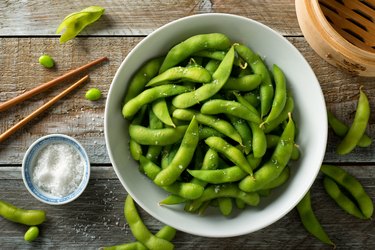
Soy and its products are the richest sources of isoflavones, a phytoestrogen that's being studied for the potential to improve bone health and prevent certain cancers in postmenopausal people, according to the Cleveland Clinic.
Soybeans are found in many plant-based products such as tofu, tempeh and soy milk.
2. Flaxseeds
Flaxseeds contain a phytoestrogen known as lignans. Lignans are metabolized by gut bacteria, transforming into enterodiol and enterolactone, which have weak estrogenic activity, according to the Linus Pauling Institute at Oregon State University.
They're also a great source of anti-inflammatory omega-3s and fiber.
3. Tempeh
Tempeh is a great plant-based meat alternative made from fermented soybeans, which means it's naturally high in isoflavones. A 3-ounce serving of tempeh has 17 grams of protein (which is more protein than in 2 ounces of chicken), according to the USDA. It's also an excellent source of manganese, copper and vitamin B2.
4. Dried Fruits
Dried fruits — such as dried apricot, prunes, dates and dried figs — are the top estrogen-rich fruits, although many fruits contain some level of phytoestrogen, predominantly lignans.
Dried fruits are a low-cost, nutritious and a good source of fiber and vitamin C. Try adding chopped dried fruit to your oatmeal, topping with peanut butter or including them in your trail mix.
5. Chickpeas
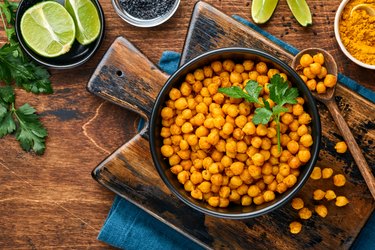
Chickpeas are a good source of phytoestrogens as well as fiber, resistant starch, protein and non-heme iron. Just make a grab for your favorite hummus or try one of these high-protein chickpea recipes.
6. Tofu
Tofu is made by curdling soy milk and pressing the curds into a small block. This common meat replacement contains isoflavones as well as many other important nutrients. A 3-ounce serving of tofu contains 15 grams of plant protein and is an excellent source of calcium.
Not sure how to make tofu, or tired of the same old recipes? Try something new in these anything-but-bland tofu recipes.
7. Strawberries
Strawberries and other berries are also packed with nutrition. In addition to being high in fiber, antioxidants and vitamin C, strawberries contain a phytoestrogen known as resveratrol. Blueberries, cranberries, grapes (and red wine!) are also good sources of resveratrol, according to the Linus Pauling Institute at Oregon State University.
8. Instant Coffee

Among the drinks studied for phytoestrogen content, instant coffee powder was the highest in a September 2008 analysis in the Journal of Agricultural and Food Chemistry. Of the other drinks studied, chamomile tea contained the least amount of phytoestrogens and alcoholic beverages ranked moderate in phytoestrogen content.
9. Garlic
Garlic is a source of phytoestrogen as well as many other health-promoting compounds. The allium is anti-inflammatory, anti-bacterial and immune-supportive, and it might aid heart health by helping to regulate blood pressure, according to the Cleveland Clinic.
You can enjoy garlic in a variety of ways, cooked or raw. It's a great way to take sauteed veggies to the next level or add to a homemade salad dressing for a zesty kick.
10. Peanuts
Along with protein, fiber, magnesium and vitamin E, peanuts are also a good source of phytoestrogens.
Different preparations of peanuts result in varied phytoestrogen content. Roasted peanuts had more isoflavones compared to peanut butter, which contains a bit fewer isoflavones than fresh peanuts, according to the September 2008 analysis in the Journal of Agricultural and Food Chemistry.
11. Sunflower Seeds
Like many other seeds, sunflower seeds contain isoflavones, a type of phytoestrogen. Sunflower seeds have a variety of compounds and nutrients with antioxidant, antimicrobial, anti-inflammatory, wound-healing and heart benefits, according to a September 2017 review in the Chemistry Central Journal.
For an easy nutrient boost, top your salad with a spoonful of sunflower seeds or stir a scoop into a sandwich spread.
12. Brussels Sprouts
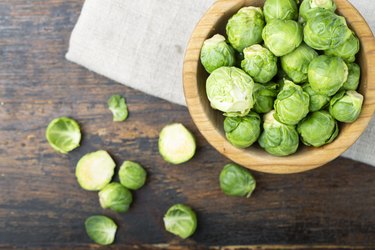
Brussels sprouts, along with other cruciferous vegetables, are rich vegetable sources of phytoestrogen. They're rich in vitamin C, plant-based protein and potassium. Try them in these creative Brussels sprouts recipes.
13. Pumpkin
Pumpkin seeds are rich in lignan phytoestrogens as well as magnesium, zinc and iron. Just one ounce of pumpkin seeds contains 37 percent DV of magnesium.
According to the National Institutes of Health, 48 percent of Americans don't eat enough foods high in magnesium. Pumpkin seeds are an easy and tasty way to reach your goals of this essential nutrient.
14. Zucchini
Abundant in the summer months, zucchini contains a variety of important vitamins and minerals in addition to phytoestrogen. Zucchini is an excellent source of vitamin A, a fat-soluble vitamin that is important for eye health and the immune system.
Try the low-cal pick in these easy zucchini recipes.

- My Food Data
- Menopause, Perimenopause and Postmenopause: Cleveland Clinic
- The potential health effects of dietary phytoestrogens: British Journal of Pharmacology
- Endocrine disruption by dietary phyto-oestrogens: impact on dimorphic sexual systems and behaviours: Proceedings of the Nutrition Society
- Soy Foods: Clevland Clinic
- Lignans: Linus Pauling Institute at Oregon State University
- Plant-Derived Lectins as Potential Cancer Therapeutics and Diagnostic Tools: Biomed Research International
- Resveratrol: Linus Pauling Institute at Oregon State University
- Phytoestrogen Content of Beverages, Nuts, Seeds, and Oils: Journal of Agricultural and Food Chemistry
- 6 Surprising Ways Garlic Benefits Your Health: Clevland Clinic
- A review of phytochemistry, metabolite changes, and medicinal uses of the common sunflower seed and sprouts (Helianthus annuus L.):Chemistry Central Journal
- Brassica Vegetable Consumption Shifts Estrogen Metabolism in Healthy Postmenopausal Women: American Association for Breast Cancer Research
- Magnesium:U.S Department of Health and Human Services