














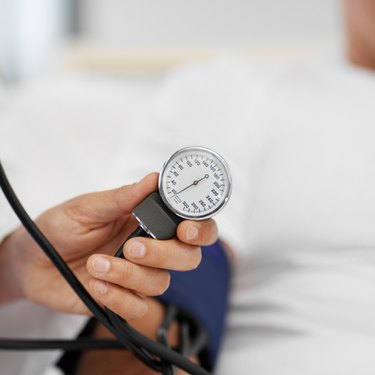











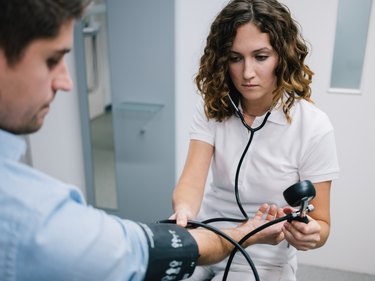















High blood pressure increases your risk for heart disease and stroke, and your diet and lifestyle affect your blood pressure. No single food lowers your blood pressure, but peppers can be part of an overall balanced diet to provide necessary nutrients for a lower blood pressure. Along with eating a healthy diet, continue to follow your doctor's instructions for staying healthy.
Red, green and yellow bell, banana, chili and jalapeno peppers can all help you meet recommendations for servings of vegetables on the Dietary Approaches to Stop Hypertension, or DASH, diet. This eating pattern may lower blood pressure in individuals with high blood pressure, according to the 2010 Dietary Guidelines from the U.S. Department of Health and Human Services. The plan includes fruits, reduced-fat dairy products, whole grains, lean proteins such as beans and fish, healthy fats and vegetables. A 2,000-calorie DASH diet includes four to five servings of vegetables per day, and each half-cup of raw peppers counts as a serving.
Vitamin C
Peppers may help lower blood pressure because of their vitamin C content. Each cup of raw banana, green or red bell peppers has between 62 and 118mg vitamin C, or about 103 to 197 percent of the daily value for vitamin C. A large yellow bell pepper has 347mg vitamin C. Vitamin C is an antioxidant, and there is some evidence to show that high amounts may help lower blood pressure in individuals with high blood pressure, according to the Linus Pauling Institute Micronutrient Information Center.
Sodium
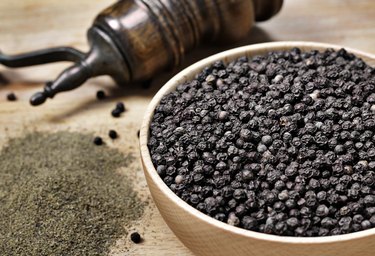
Peppers are very low in sodium, with only 4mg per cup of chopped red bell peppers and 16mg sodium in a cup of raw banana peppers. A high-sodium diet can lead to high blood pressure or prevent you from lowering your blood pressure, and healthy adults should have no more than 2,300mg sodium per day, according to the 2010 Dietary Guidelines from the U.S. Department of Health and Human Services. If you already have high blood pressure, limit your daily sodium intake to 1,500mg. Peppers, such as crushed red peppers and jalapenos, can help you lower the total sodium in your diet if you use them instead of salt for flavoring your food.
Suggestions
Peppers can make good additions to healthy recipes, such as sauce and whole-grain pasta, for lowering your blood pressure. A sauce with low-sodium tomato paste and other vegetables is rich in potassium, which may help lower your blood pressure, according to the 2010 Dietary Guidelines from the U.S. Department of Health and Human Services. Raw red bell peppers have 1.9g dietary fiber per cup, and other vegetables and whole grains are also high-fiber. Dietary fiber is essential for regulating your blood pressure, according to the Linus Pauling Institute Micronutrient Information Center.
References
- U.S. Department of Health and Human Services; Dietary Guidelines for Americans, 2010; January 2010
- U.S. Department of Agriculture: Vegetables and Vegetable Products
- Linus Pauling Institute Micronutrient Information Center; Fiber; Jane Higdon; December 2005
- Linus Pauling Institute Micronutrient Information Center; Vitamin C; Jane Higdon; January 2006


