






























































What Are the Benefits of Walking and Running?

What Are the Benefits of Walking and Running?
Photo Credit Comstock Images/Comstock/Getty Images

Walking and running require little equipment to begin and offer numerous health benefits. With a pair of decent shoes and some spare time, take up walking or running to reduce your risk of diabetes, obesity and high blood pressure. For optimal benefits, walk or run for at least 30 minutes a day most days of the week.

Ease

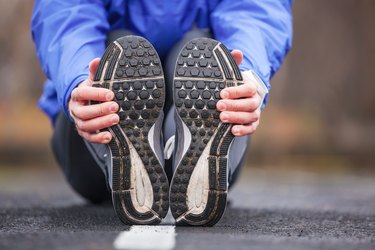
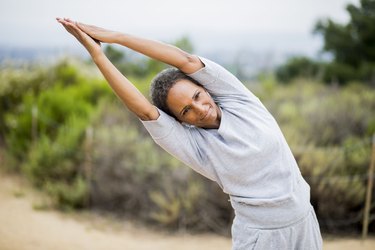
You don't need much to introduce walking or running into your routine. Pick up a pair of comfortable walking or running shoes that provide both support and cushioning, and dress in comfortable, loose-fitting clothing. If you are walking or running after dark, wear bright colors or a reflective material on your clothing. Warming up, stretching and cooling down help prevent injuries caused by walking and running.

Walking

Walking is a gentle, low-impact exercise accessible to almost everyone. As an exercise, walking provides a way to work your way up gradually to a higher level of health and fitness. It reduces your levels of low-density lipoprotein cholesterol, or "bad" cholesterol, and raises your levels of high-density lipoprotein cholesterol, or "good" cholesterol. Walking can lower your blood pressure, reduce your risk of type 2 diabetes and help you maintain a healthy body weight. Regular, brisk walking reduces your risk of a heart attack. Your mood may also improve if you include walking in your routine.

Running

Keeping up a regular routine of running can slow down the effects of aging. Runners encounter fewer disabilities as they age and enjoy a longer lifespan. Running reduces your risk of death from cardiovascular problems, cancer, neurological disease and infections, among other causes. The gap in health between runners and nonrunners widens as runners age.

Osteoporosis

Walking and running both reduce your risk of contracting osteoporosis. These weight-bearing exercises cause your muscles to work against the force of gravity and help prevent the bone loss associated with osteoporosis. The benefits of walking and running persist as long as you maintain your exercise routine. If you have osteoporosis, a fall could be dangerous, so ask your doctor what type of exercise is appropriate for you.

High Blood Pressure

Staying active with walking or running reduces your risk of high blood pressure. It can also help you control your blood pressure if it is already high. A regular exercise routine makes your heart stronger, so it requires less effort to pump blood. This reduces the force on your arteries, lowering your blood pressure. Exercise can have an effect on blood pressure equivalent to that of medication. However, the benefits only last for as long as you keep up your exercise routine.

Other Benefits

Regular exercise helps you control your body weight by burning calories and increasing your metabolism. Walking briskly for three hours each week can help reduce your risk of a heart attack by 30 to 40 percent. Exercise such as brisk walking or running also helps relieve the pain of arthritis and maintain healthy muscles and joints. If you are at risk of high blood pressure or diabetes, adding brisk walking or running into your routine could help prevent their onset.

References

Article reviewed by John Hagemann Last updated on: Jul 24, 2011

Must see: Photo Galleries

Member Comments