
Our tongues aren't just one of the strongest muscles in our bodies. They also play a vital role in digesting our food — helping us chew, taste and swallow.
Because it's always working, it doesn't take long to notice when something about your tongue is off — i.e., it's suddenly cracked and sore.
Video of the Day
Video of the Day
Turns out, a cracked or split tongue could be a sign of a mineral or vitamin deficiency, Samuel Mathis, MD, a board-certified family medicine doctor and assistant professor in the Department of Family Medicine at UTMB, tells LIVESTRONG.com.
"The medical term for cracked tongue is lingua plicata. This syndrome occurs in about 5 percent of people in the U.S.," Dr. Mathis says.
"The most common vitamin or nutrient deficiencies that cause cracked tongue are vitamin B12 deficiency, low iron, zinc or biotin. These vitamins are important to help develop the tongue's papillae or groves," he adds.
Learn more about these deficiencies here, plus how to prevent a cracked tongue and when to see a doctor.
Tip
Some nutrient deficiencies, including vitamin B12 and iron, can cause a condition called atrophic glossitis, which gives the tongue a smooth and glossy appearance. But cracks may form on the tongue if it becomes irritated by the condition.
1. Vitamin B12
A vitamin B12 deficiency is pretty common, Dr. Mathis says. "Many people don't get enough B vitamins because of poor diet. These vitamins are found primarily in the plants we eat," he notes.
According to the Cleveland Clinic, a symptom of vitamin B12 deficiency is a sore tongue and cracks in the corners of your mouth. Other physical symptoms include:
- Fatigue
- Nausea or diarrhea
- Loss of appetite
- Weight loss
- Yellow-tinted skin
You might have a higher risk of vitamin B12 deficiency if you're older than 65, vegan, pregnant or you take certain medications.
Thankfully, a vitamin B12 deficiency can be treated with dietary changes or supplements. Try to incorporate these foods, which are naturally high in vitamin B12, per the Cleveland Clinic:
- Salmon
- Eggs
- Tuna
- Chicken breast
- Milk
- Yogurt
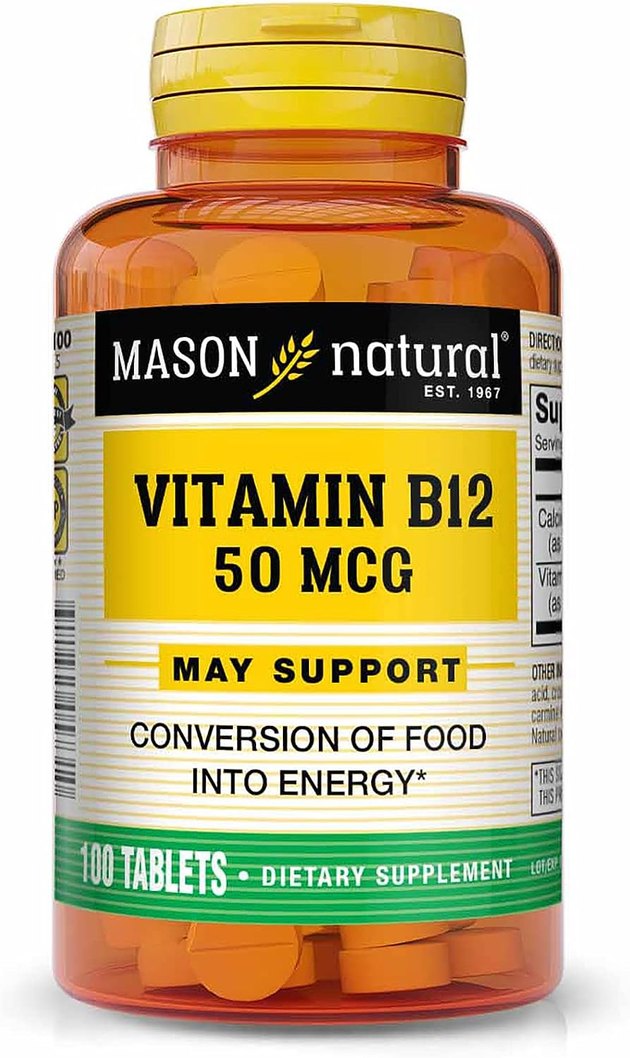
If your doctor determines through blood work that your B12 levels are still low, you can try incorporating a daily B12 supplement, like this one from Mason Natural (always check with your doctor before starting a supplement).
2. Iron
Iron is another mineral people often lack. This can lead to iron deficiency, also known as anemia, which is most common in people with some form of chronic blood loss, Dr. Mathis says.
"There are a number of conditions that can cause slow, unidentified bleeding, from a gastric ulcer to, rarely, certain types of cancer," he adds.
According to the Mayo Clinic, an inflamed and sore tongue is one sign of anemia. This happens because when you're anemic, your body doesn't produce enough healthy red blood cells, which leads to a fissured tongue and mouth ulcers.
Other symptoms of anemia include brittle nails, lightheadedness and shortness of breath, per Penn Medicine.
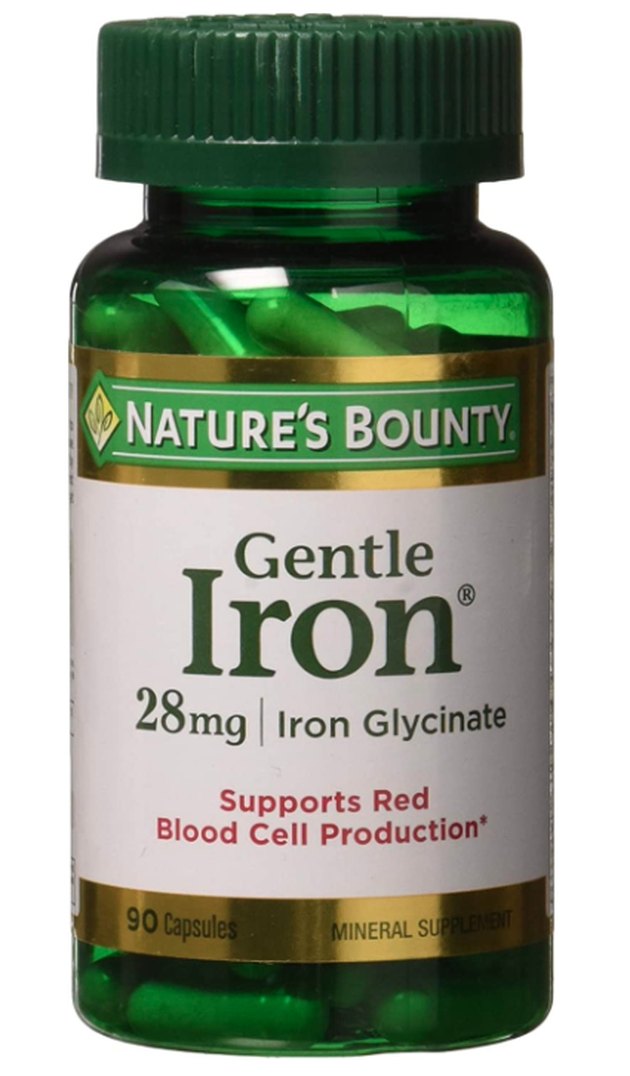
"A good iron supplement can be very helpful if other signs of anemia are present," Dr. Mathis says. "Just make sure to drink plenty of water, as many iron supplements can cause constipation."
3. Zinc
Zinc is considered a trace mineral, meaning our bodies only need a small amount of it, according to the Harvard T.H. Chan School of Public Health.
Even though we don't need much, it's still an important element for our bodies — it helps cells grow, supports the immune system and improves our sense of taste and smell.
Similar to vitamin B12, zinc is found naturally in nutrient-dense foods. So if your diet is lacking, you may not get enough of it, Dr. Mathis says.
"This is why it's so important to try to get five servings of vegetables and fruits per day," he adds.
Foods high in zinc include the following, per the Harvard T.H. Chan School of Public Health:
- Whole grains
- Shellfish
- Beef
- Poultry
- Pork
- Legumes
- Nuts and seeds
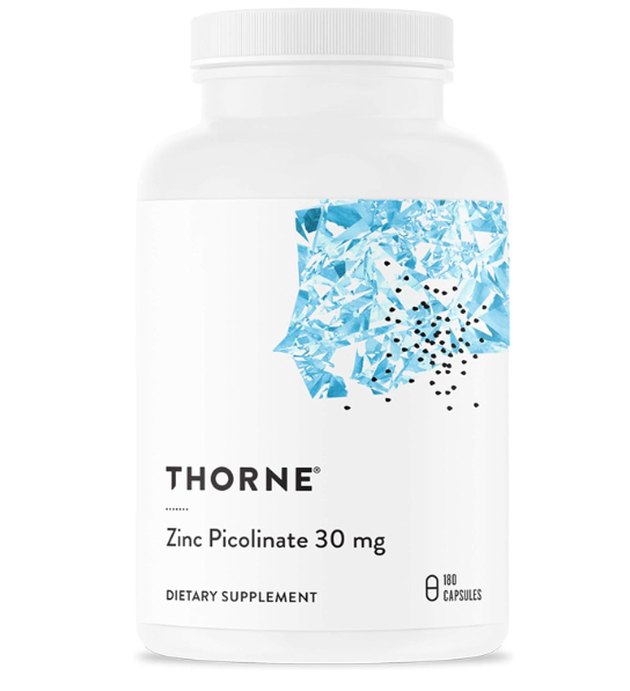
If a zinc deficiency can't be solved with food because of dietary restrictions, zinc supplements are also readily available if needed, per Dr. Mathis. Try products like Thorne's Zinc Picolinate, if advised by your doctor.
4. Biotin
Biotin is a vitamin most widely known for supporting healthy hair, nails and skin. According to Mount Sinai, it's rare to be deficient in biotin, but symptoms can include cracks in the corners of your mouth and a swollen, tender tongue.
Other symptoms include the following, per Mount Sinai:
- Dry eyes
- Loss of appetite
- Fatigue
- Trouble sleeping
- Depression
People most at risk for biotin deficiency include: those who are malnourished, those taking anti-seizure medication or antibiotics for long periods of time and those with conditions like Crohn's disease, which make it difficult to absorb nutrients, per Mount Sinai.
Biotin can be replenished with food sources and supplements. Foods high in biotin include the following, per the National Institutes of Health:
- Egg yolks
- Salmon
- Pork
- Beef
- Sweet potato
- Almonds
- Tuna
- Spinach
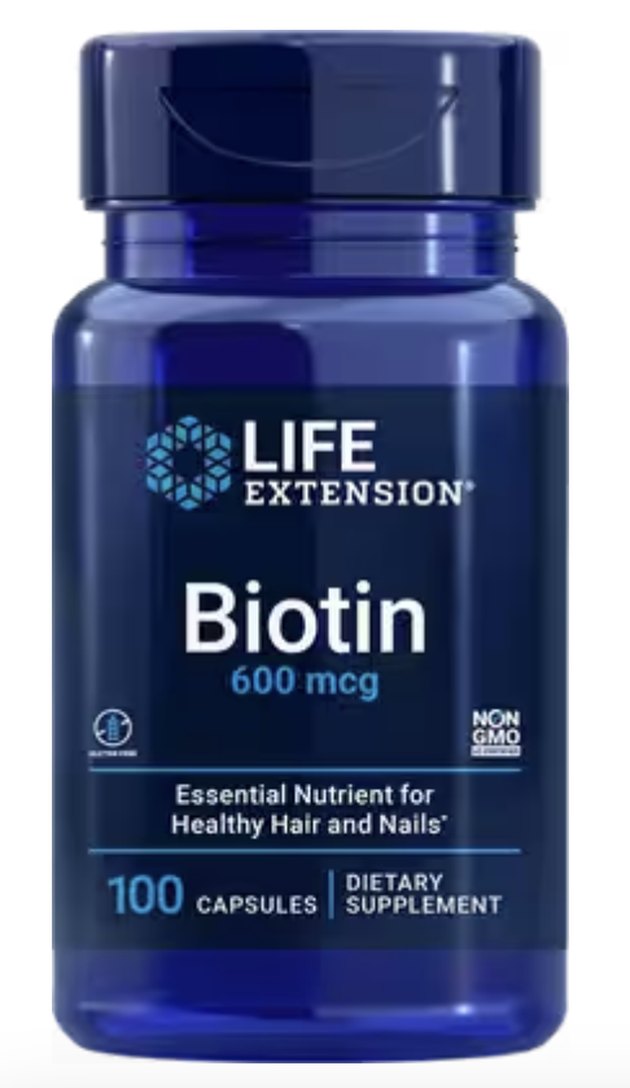
If your doctor gives the "OK" on supplementation, you can try products like Life Extension's biotin capsules.
Other Causes of a Cracked Tongue
Other causes of a cracked tongue are still being researched, so it's possible that a cracked tongue isn't from vitamin deficiencies alone, Dr. Mathis says. It could also be due to other underlying medical conditions or lifestyle choices, including:
- Genetics
- Autoimmune disorders, like psoriasis or Sjögren's syndrome
- Hormonal or neurological disorders
How to Prevent a Cracked Tongue
One of the best ways to prevent a cracked tongue is through a nutritious, balanced diet and good oral hygiene, Dr. Mathis says.
"Most people with a cracked tongue won't experience symptoms from it. By adjusting your diet or adding some of the previously mentioned supplements, the issue usually resolves by itself," he adds.
Dr. Mathis also suggests practicing good oral hygiene — i.e., make sure to get any debris or food off of your tongue after eating. This buildup can lead to complications such as a yeast infection in the mouth or tongue ulcers.
"The best way to clean your tongue is through brushing or using a tongue scraper to clean the area," Dr. Mathis says. "Warm salt water rinses or gargles could also be helpful, too."

When to See a Doctor
If your symptoms last longer than a few weeks, you should have your tongue evaluated to ensure nothing major is causing these symptoms, Dr. Mathis says.
"Additionally, if you start to develop any white discharge on the tongue, that could indicate a fungal infection, which requires further treatment with medication," he adds.
Look out for signs of bacterial infections on the tongue, too, which include a painful, red and swollen, scalloped tongue in or around the grooves/fissures. This will also require medical attention.
Lastly, you should also consider going to the dentist regularly to ensure you maintain proper oral hygiene.
- Harvard School of Public Health: Three of the B Vitamins: Folate, Vitamin B6, and Vitamin B12
- Cleveland Clinic: "Vitamin B12 Deficiency"
- Mayo Clinic: "Iron Deficiency Anemia"
- Harvard T.H. Chan School of Public Health: Nutrition Source: "Zinc"
- Mount Sinai: "Vitamin H (Biotin)"
- Penn Medicine: "Anemia"
- National Institutes of Health: "Biotin"
Was this article helpful?
150 Characters Max
0/150
Thank you for sharing!
Thank you for your feedback!