

































































Smart Shopping for Sea Bass

Chilean sea bass is one of the most sought-after fish in the world. It is a different species type than the sea bass caught in U.S. waters. The U.S. imports somewhere between 15 to 20 percent of the worldwide Chilean sea bass catch, caught off the waters of Antarctica and in the national waters of nearby countries. The United States, Japan and the European Union are the major sea bass foodies.

Chilean sea bass is a deep-water species also known as tooth fish. It is a deep-water fish that can live up to 50 years and grow to over 200 lbs. A 3-oz. portion, however, is sufficient. Sea bass is a good source of omega 3, vitamins A, D, B6, B12 and calcium (if you eat the bones).

What to Look for

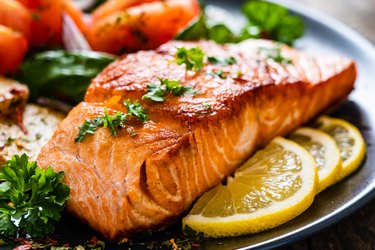
Sea Bass is gastronomically prized for its rich, buttery flavor and wonderful versatility, cooking up with large white flakes. Being flash frozen at sea preserves its buttery flavor and melt-in-your-mouth consistency, and helps this fish stand apart in the world of seafood. Due to its fat content, this white fish is practically impossible to overcook and is best suited to dry-heat cooking methods such as broiling, poaching, Asian-style steaming, grilling and sauteeing. Any number of spices and green herbs can augment the mild, sweet flavor of this flakey fish.

The Marine Stewardship Council, which is independent of any government or trade group, studies fisheries to determine whether the catch is carefully monitored and controlled to prevent over fishing and poaching. Fish from approved waters that are considered sustainable, can proudly carry its seal. Chilean sea bass are still over-fished and depleted. The Marine Stewardship Council (MSC) recently certified a fishery out of South Georgia Island for the sustainable harvesting of Chilean sea bass

Common Pitfalls

DDT and other toxic compounds have been found in the tissues of most sea bass. Ask the seller to confirm the fish was legally caught in accordance with management provisions of the Convention on the Conservation of Antarctic Marine Living Resources. Even if the seller does not know, the fact that the question was asked will send a message to distributors that consumers are aware of and are concerned about the problem of illegal fishing and imports.

Farmed or cultured fish are often bred in crammed and dirty cages that supply inadequate oxygen to the fish. In this overcrowded environment, fish would therefore be prone to stress, infections and sickness. Not more than 12 oz. of fish per week is what is suggested.

Last updated on: Nov 18, 2009

Must see: Photo Galleries

Member Comments