






















Foods High in Vitamin B1

Vitamin B1, or thiamin, is a water-soluble vitamin necessary for carbohydrate metabolism and nerve and heart function. According to Merck, most diets are abundant in vitamin B1, making deficiency uncommon. When deficiency does occur, symptoms may include a loss of appetite, numbness or "pins and needles" in the legs, and muscle tenderness. Severe deficiency may lead to potentially serious complications in the nervous system, heart, muscles, and gastrointestinal system. Eating a balanced diet high in whole grains, lean meats and beans will ensure blood levels of vitamin B1 remain consistent.

Cereals and Grains

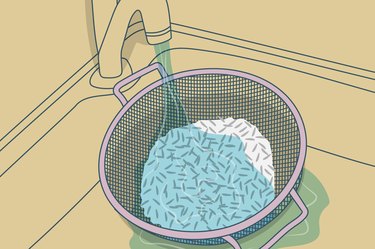
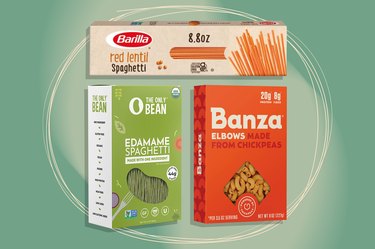
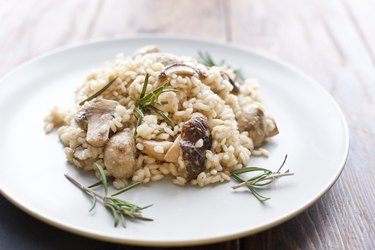
Oregon State University lists long-grain brown rice, wheat germ, whole wheat bread, brewer's yeast, and fortified breads, cereals, and pastas as leading sources of dietary vitamin B1. The George Mateljan Foundation states that processed grains and cereals provide considerably less vitamin B1 than unprocessed grains because heating the grains during processing destroys more than 50 percent of the food's B1 content. Because of this, many foods made with white flour and white rice are fortified with vitamin B1 in the United States.

Meat and Dairy

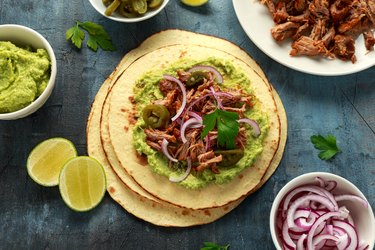
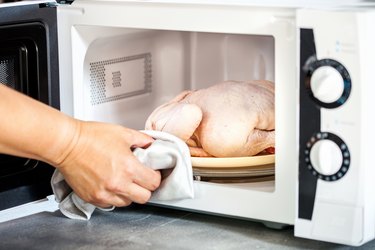
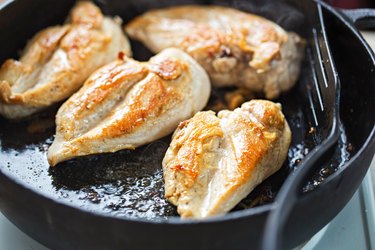
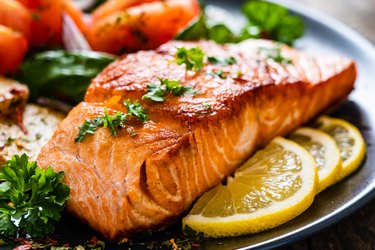
Lean meats are rich in vitamin B1, according to the National Institutes of Health, with lean pork containing more of the vitamin than any other meat. Fish, liver, beef, dairy products, and eggs also provide vitamin B1, with one serving of yellow fin tuna containing nearly 40 percent of the daily value of B1. Roasting, stewing and broiling meats tends to reduce B1 content more than frying.

Beans, Nuts and Seeds

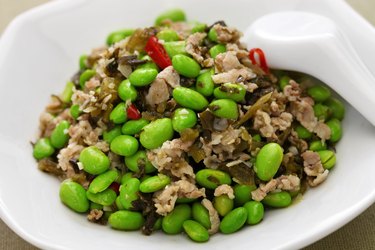
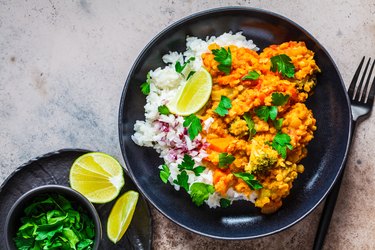
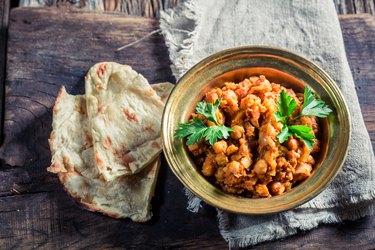
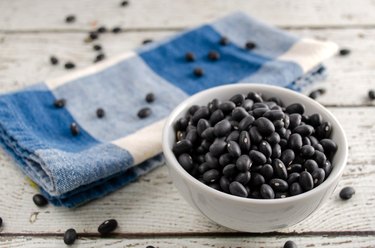
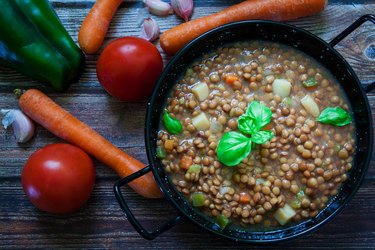
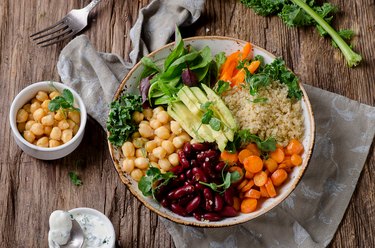
Nuts, beans and seeds are excellent dietary sources of vitamin B1, and these foods make ideal meat replacements for vegetarians or those on restricted diets. According to the George Mateljan Foundation, one serving of raw sunflower seeds provides more than half of the daily value of vitamin B1, with cooked black beans and navy beans providing 25 percent. Pinto beans, soybeans, lima beans, Brazil nuts and pecans are other good sources of the vitamin.

Fruits and Vegetables

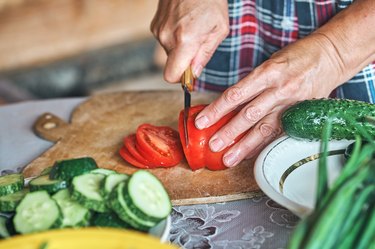
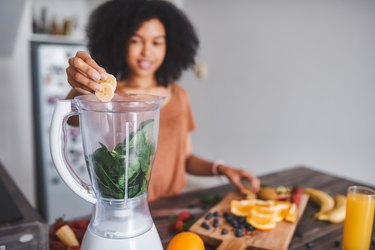
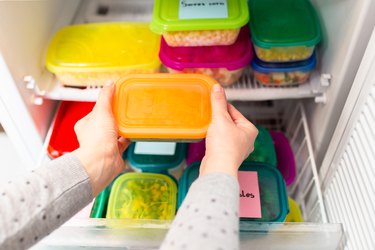
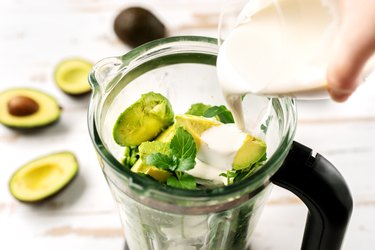
The National Institutes of Health states that vegetables and fruits are good sources of vitamin B1 when eaten in abundance. Eating fresh fruits and vegetables offers more B1 than eating frozen or refrigerated fruits and vegetables, and long-term refrigeration results in a significant loss of vitamin B1 content. Romaine lettuce, spinach, asparagus, green peas, eggplant, oranges, cantaloupe, brussels sprouts and tomatoes are all good sources of vitamin B1.

References

Article reviewed by Dionne Allyson Last updated on: Dec 9, 2009

Must see: Photo Galleries

Member Comments