



































































Potassium is an important nutrient because of its ability to protect your health. Getting enough potassium through your diet is fairly easy because many foods contain varying amounts. Honey, which has a number of health benefits of its own, is one food that contains potassium. Keep honey in a dark, cool place.
Function of Potassium
Potassium is important because it helps regulate your blood pressure, which protects the health of your heart. It is also involved in the contraction of your muscles and plays a role in digestion. Some evidence indicates that potassium is also important for bone health, reports the University of Maryland Medical Center. Potassium deficiency is rare among Americans, but symptoms include digestive disturbances, muscle cramps, weakness and an irregular heartbeat. People who are most likely to suffer from a deficiency include those who have malabsorption issues, take certain medications or who have chronic diarrhea or vomiting.
Potassium in Honey
The recommended daily intake of potassium for adults is 2,000 mg per day. A tablespoon of honey contains 11 mg of potassium.
Uses
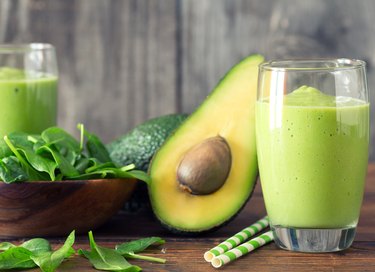
Honey is a versatile ingredient found in many types of recipes, and its concentrated sweetness helps a little bit of honey to go a long way. Use honey to sweeten homemade granola, smoothies or baked goods, such as bread and muffins. Drizzle honey on fruit salad, or use it in homemade salad dressing and marinade recipes. Use honey to sweeten barbecue sauce, dips or glazes. Add honey to a peanut butter sandwich as a healthy alternative to jelly. Honey also makes a good sweetener for pancakes, french toast, yogurt parfaits and fruit pie recipes.
Considerations
Honey has many health benefits that go beyond its potassium content. It can be used to treat a hangover, minor wounds or a cough and can be used as a body exfoliator. Honey is also high in antioxidants that protect your health by counteracting free radical damage and is a better sweetener choice than many other traditional options, reports the "Journal of Agricultural and Food Chemistry." Despite these health benefits, honey is very high in sugar, with more than 17 g per tablespoon. Ingesting too much sugar can result in weight gain and other health complications. Honey should never be given to children under age 1 because it could contain bacteria that cause botulism, and a baby's immune system is not as equipped to handle the bacteria.
References
- USDA Nutrient Database
- University of Maryland Medical Center; Potassium; Steven D. Ehrlich; May 2009
- Health; "Surprising New Uses for Honey"; Susan Hall; June 2008
- National Honey Board: Recipes
- Baby Center; When Can My Baby Eat Honey?; Charles Santerre
- Journal of Agricultural and Food Chemistry; "Honey With High Levels of Antioxidants Can Provide Protection to Health Human Subjects; Derek D. Schramm, et.al.; February 2003


Member Comments