


















































5 Things You Need to Know About Chocolate and Gluten

Text size:  |  Post a comment  |  Print  |   | 
Add to my favorites

1. Get the Gluten Lowdown

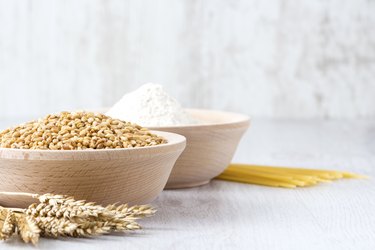
Gluten is a protein found in wheat and its derivatives, and can appear in a wide array of foods. Aside from obvious forms of wheat such as bread, pastries, pizza and cookies, gluten is found in almost all packaged foods because it is used as a stabilizer to extend the shelf life of products. Unfortunately, this means that gluten can be found in many forms of chocolate, because it is used as an emulsifier or thickener. Luckily, those needing to adhere to a strict gluten-free diet can still enjoy chocolate, as long as they understand which brands in which they can partake.

2. Simpler is Better

If choosing chocolate on a gluten-free diet, it is best to first examine the package label. Any ingredient that is unknown or which you are unsure, should be completely avoided--better safe than sorry. In general, the majority of plain milk and dark chocolate bars are more likely to be gluten-free than anything containing caramel, crisp or crunchy ingredients. A general rule to remember is the simpler the product, the better the chance that it is gluten-free. Luckily, this also means that the majority of chocolate indulgences on a gluten-free diet are generally healthier than their ingredient-loaded counterparts. Strive to choose chocolate that has less than 5 ingredients noted on the label, such as milk, cocoa powder, sugar or other recognizable names.

3. Do Your Research

The majority of large food corporations will list the safety of their products online, so make sure to check the manufacturer's website for its gluten-free status. Consumers can also try calling the number of the company noted on the package to gain quick information about the safety of its ingredients. Unfortunately, even if a chocolate bar has completely gluten-free ingredients listed on the wrapper, it still may be processed in a factory that deals with gluten and wheat foods. This means it is best to choose brands that you know are safe, have researched, or have spoken to personally.

4. Brands to Buy

There are numerous chocolate brands whose basic products (milk and dark chocolate) are guaranteed safe: Hershey, Dove, Reese's and M&M. As long as you skip complicated chocolates (crispy, chewy or unusual flavorings), the classic chocolates bars, squares and small candies are safe for eating. Many well known products are safe, like classic Butterfingers and Hershey's Kisses, while other companies can get confusing (Milky Way Midnight bars are allowed but the classic candy is not). It is best to research each chocolate before purchasing or ingesting and keeping a small list of allowed chocolates on hand at all times. One of the easiest ways to safely eat chocolate is to buy items from the organic or gluten-free aisles at your local grocer, making sure to buy brands with "gluten-free" written on the packaging.

5. Gluten-Free Without Guilt

A gluten-free diet can be beneficial to almost anyone. It can improve digestive functioning, improve symptoms of other disorders like autism or cystic fibrosis, but it is the most beneficial to patients with celiac disease. Many children and adults with celiac disease have issues with weight loss or malnutrition upon diagnosis, so healthful and organic chocolate can be beneficial for regaining needed weight. Try choosing dark chocolate bars for added antioxidant benefit, which can help reduce internal inflammation and provide nutrients that are thought to ward of cancer and a host of other diseases.

About this Author

Bailey Vincent Clark is a certified personal trainer, nutritional adviser and dance teacher. She writes as a nutrition and fitness columnist for nationwide Gannett newspapers and for healthy lifestyle publications. Clark also teaches as adjunct college faculty in fitness and nutrition in her area

Last updated on: 11/18/09

Member Comments

advertisement

Additional Reading

Write for LIVESTRONG.COM

Write for us

Do you work in health, fitness or nutrition? Share your expertise by writing for LIVESTRONG.COM

Learn More

Stay In The Know By Email

Receive emails packed with helpful information on health, fitness, nutrition and lifestyle.

Tools

Track your daily calories. See how many calories you burn and consume.

BMI is a measurement of body fat based on height and weight.

Map your local running, cycling, walking and hiking routes and track your calorie burn.

Find us on the web, receive emails and use our mobile app to keep you motivated.

This tool will help you to decide whether to treat at home or see a doctor.