































































Soy Sauce Allergies With a Skin Rash

Soy Sauce Allergies With a Skin Rash
Photo Credit Hemera Technologies/AbleStock.com/Getty Images

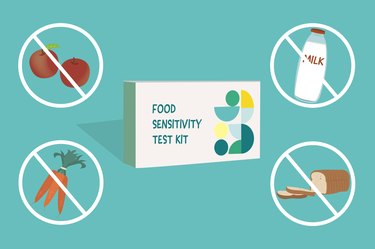
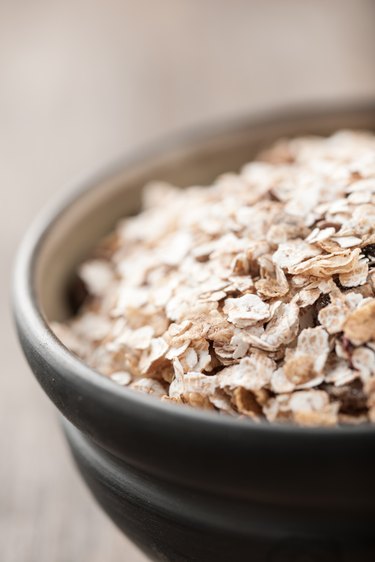
Like all allergies, soy sauce allergy occurs when your immune system reacts with the proteins present in the sauce. Your immune system mistakes the proteins as a threat and produces antibodies, which trigger histamine release. Histamine causes the symptoms, such as skin rash, commonly associated with food allergy. Soy sauce contains soybeans and wheat, two common allergens, according to MayoClinic.com. The only way to prevent an allergic reaction to soy sauce is to avoid it and all foods that contain the proteins that triggered the reaction in the first case. Contact your doctor, who can diagnose whether you are allergic to soy or wheat.

Hives

Hives is a common symptom of soy and wheat allergy and can occur when you consume soy sauce. Hives is a skin condition characterized by welts that appear as white or red, raised and swollen areas of the skin. Welts can appear very suddenly all around your body and leave as quickly. A distinctive quality of welts are their inconsistency; they can come and go every 10 minutes to few hours, according to Dr. William Sears, the founder of AskDrSears website.

Eczema

Eczema is another possible skin rash caused by an allergic reaction to soy sauce. Eczema, also know as atopic dermatitis, is most common in children, and many people outgrow it by adulthood. Eczema is characterized with blisters that can ooze and crust, skin coloring changes, skin redness and inflammation, thickened leather-like appearance in skin, or raw areas of the skin from scratching. In infants, eczema most commonly starts from the face, scalp, hands and feet, while in adults and older children, the rash usually occurs inside the knees and elbows, according to MedlinePlus.

Symptoms

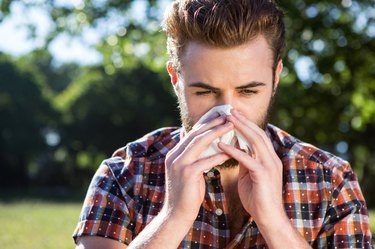
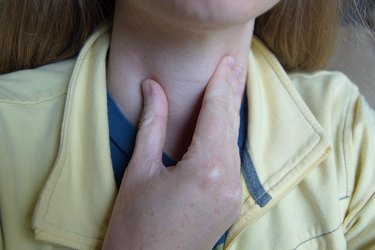
Hives and eczema are only two of the possible symptoms associated with soy and wheat allergy. Other symptoms include swelling of the face, lips, tongue and throat, runny nose, heavy breathing, abdominal discomfort, nausea and vomiting. In severe cases, life-threatening symptoms may occur, including airway constriction, breathing difficulty, rapid heart beat and loss of consciousness. This severe allergic reaction, also known as anaphylaxis, needs to be treated with an epinephrine injection.

Treatment

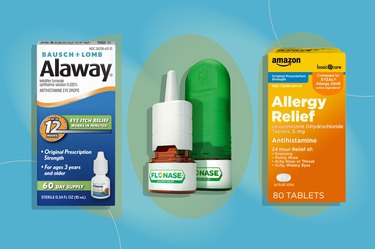
Eczema can be treated at home by keeping your skin clean and moist. Use creams or lotions that do not contain alcohol, scents, dyes or other chemicals. Avoid eating foods that give you an allergic reaction and can worsen eczema. Your doctor may also prescribe you a mild cortisone cream. Hives usually resolves on its own within few hours or few days. However, both hives and eczema can be treated with oral over-the-counter antihistamines that will help reduce the symptoms and speed up recovery.

References

Article reviewed by Nicholas Roman Last updated on: Aug 24, 2011

Must see: Photo Galleries