




















































Will Increasing Vitamin D Help Broken Bones to Heal Faster?

Will Increasing Vitamin D Help Broken Bones to Heal Faster?
Photo Credit Thinkstock Images/Comstock/Getty Images

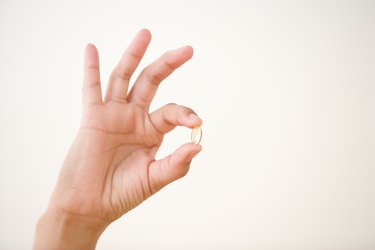
Approximately 25 percent of adolescents and adults in the United States do not get enough vitamin D each day, according to physician Michael Holick, director of the Bone Health Care Clinic at Boston University Medical Center. Your body depends on vitamin D to maintain bone health. Taking vitamin D after fracturing a bone may help it heal faster, although other vitamins and minerals are also needed. Discuss your diet and lifestyle with your doctor to determine if you need more vitamin D to help bone healing.

Features

Vitamin D is one of four fat-soluble vitamins required by your body. Unlike other vitamins, your body manufactures some vitamin D itself in response to ultraviolet light from the sun. Food producers fortify certain products with vitamin D to make sure you get enough.

Functions

Your body relies on vitamin D to perform a variety of physiological processes. One of the vitamin's most important roles is to regulate calcium levels by modulating calcium absorption in the intestines, initiating calcium release from bone tissue or increasing reabsorption of calcium in the kidneys. Your bones depend on calcium to stay hard and strong.

Broken Bones

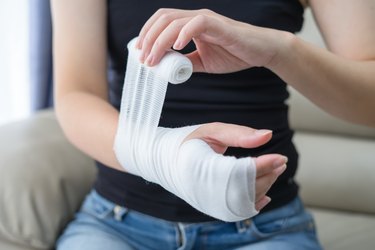
Doctors often put broken bones in casts to prevent movement and promote healing. When a bone breaks, your body must deposit new bone tissue where the fracture occurred. According to Susan Brown, a nutritionist who specializes in bone health, failing to get enough vitamin D causes poor bone healing after a fracture. A 2005 study by Marco Di Monaco, a researcher at the Osteoporosis Research Center in Torino, Italy, found that low vitamin D levels correlated with poorer recovery from a hip fracture. This evidence suggests that getting your recommended daily allowance of vitamin D may help your bones heal faster.

Sources of Vitamin D

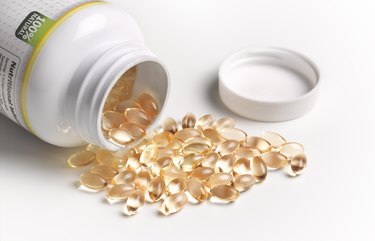
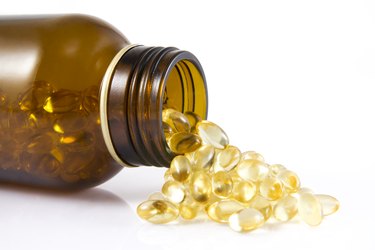
One way to get vitamin D is to spend 10 minutes per day outside in the sunshine to stimulate your body to produce the vitamin .Certain foods also contain vitamin D, including canned salmon, canned mackerel, fortified milk, fortified cereal and egg yolks. People who do not get enough vitamin D through diet or lifestyle should consider taking a supplement. Adults under age 70 need 15 mcg of vitamin D per day, while older adults need 20 mcg daily. If you have a broken bone, make sure you get the recommended daily allowance of vitamin D to optimize bone healing.

Considerations

Vitamin D is a fat-soluble vitamin, meaning that your body stores excess amounts of the vitamin in your liver and fat tissue. Because your body stores the vitamin rather than excreting it in the urine, it is possible to take too much vitamin D. Vitamin D toxicity causes kidney stones, bone loss and calcification of organs. Taking more vitamin D will not cause your bones to heal faster, so do not exceed the recommended daily limit for your age group. Discuss your vitamin D intake with a doctor to make sure you get the optimal dose.

References

Article reviewed by GlennK Last updated on: Sep 1, 2011

Must see: Photo Galleries