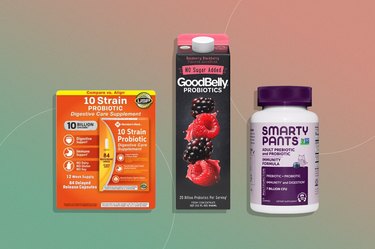
GERD, or gastroesophageal reflux disease, is the painful and potentially dangerous escalation of acid reflux. While there's no cure, there are treatments available to manage symptoms, and probiotics can be an important part of that treatment plan.
Probiotics are living bacteria and yeast that exist naturally in your gut and are also present in some foods, like yogurt and sauerkraut. Some people also choose to take probiotic supplements.
Video of the Day
Video of the Day
They're considered "good" bacteria because they're linked to better gut health and play a role in things like immunity and metabolism regulation.
Do Probiotics Help GERD?
Probiotics won't directly treat GERD, but they might be able to help in the long run.
Here's why: Often, medications called proton pump inhibitors (PPIs) are prescribed for GERD. According to a July 2019 review in Nutrients, PPIs can decrease diversity in your gut, meaning they reduce the "good" bacteria in there. And this kind of change in gut diversity could have a negative affect on your overall health, according to a March 2020 paper in Microorganisms.
This means you may need to get more probiotics in your life — not to treat your GERD, but to keep you healthy while you manage your symptoms.
There isn't a lot of research around GERD and probiotics, says Elena Ivanina, DO, MPH, director of neurogastroenterology and motility at Lenox Hill Hospital.
But she does point to one May 2019 study of 130 people in the World Journal of Gastroenterology, which found that esomeprazole (a commonly prescribed PPI) taken with probiotics — specifically, Bacillus subtilis (B. subtilis) and Enterococcus faecium (E. faecium) — was successful in helping improve the GI symptoms of those with GERD and extending the time between relapses of symptoms.
In other words: Taking probiotics along with your PPI may help improve your GERD symptoms.
What to Look for in a Probiotic for GERD
As with any supplement, you should follow a mental checklist when shopping for a GERD probiotic to ensure you're getting a safe and quality supplement, as the supplement industry is not tightly regulated by the Food & Drug Administration.
Here's what to look for:
1. Uses Third-Party Testing
Not all supplements are third-party tested, but those that opt for this testing are inspected for quality and purity. The big three third-party labs are NSF (which includes NSF for Sport), Consumer Lab and USP (look for one of these on the label).
Being tested by one of these labs ensures a supplement contains what it claims on the label, in the correct dosage, and that it will break down so your body can absorb it. Most often, they will also be tested for heavy metal contamination.
2. Follows Good Manufacturing Practices
The FDA encourages supplement companies to adhere to current good manufacturing practices (CGMPs). This is a check for quality standards in purity and strength. Look for this on the label or on a manufacturer's website.
3. Probiotic Strain
If you know the strain of probiotic you need, you can check for this on the label. The two most common strain types are Lactobacillus and Bifidobacterium, according to the National Institutes of Health. If you aren't sure which strain is right for you, it's best to choose a multi-strain supplement.
4. Colony Forming Units (CFUs)
This refers to the number of viable cells in the probiotic supplement, according to the NIH. You will see large numbers of CFUs in a bottle, but this number doesn't really matter — more doesn't mean better. However, you should always look for the number of CFUs at the end of the product's shelf life. If a manufacturer lists the CFU count at the time of manufacture, those cells could die before you're able to take the supplement and benefit from them.
5. Weight
Some supplement makers will list a weight on their product, but don't be fooled by a large number: The weight includes all live and dead microorganisms, but the dead ones don't do you any good.
Keep in mind that there are no recommended probiotic supplements specifically for GERD, acid reflux or heartburn.
Here are some recommendations to improve your health in general or to help diversify your gut microbiome, especially if you are on PPIs that might be harmful to your gut bacteria.
The Best Probiotics for GERD
- Best Overall: Whole Food Sources
- Best on a Budget: Member's Mark 10-Strain Probiotic (Sam's Club, $15.67)
- Best Capsule: Garden of Life Raw Probiotics Ultimate Care (Amazon, $40.78)
- Best Gummy: SmartyPants Adult Prebiotic and Probiotic Immunity Formula (Amazon, $23.93)
- Best Vegan: Ritual Synbiotic+ (Ritual, $54)
- Best Refrigerated: HUM Gut Instinct (HUM Nutrition, $26)
- Best Drink: GoodBelly Juice Drinks (Amazon, $4.69 for 4 servings)
How We Chose
We tapped Dr. Ivanina for her recommendations on the best probiotics to take while you are treating GERD. Our picks are based on the following criteria:
- Third-party testing
- Current Good Manufacturing Practices
- Probiotic strain
- Cost
1. Best Overall: Whole Food Sources
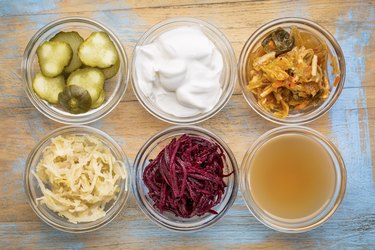
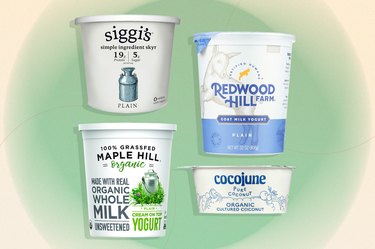
Food sources should be your number one go-to when adding probiotics to your diet. You gain all the nutritional benefits — vitamins, minerals and fiber — in addition to the probiotic benefits.
Probiotic food sources are typically labeled with wording like "contains active live cultures." They include:
- Yogurt
- Kefir
- Miso
- Kimchi
- Kombucha
- Tempeh
- Natto
- Sauerkraut (some types)
- Some pickles and other fermented veggies
- Apple cider vinegar
It's important to note that all fermented foods are not necessarily probiotic. If the food was heated above 115 degrees Fahrenheit, then the live cultures aren't necessarily still alive. So, it's best to buy these foods in the refrigerated section to ensure their bacteria are alive and well.
2. Member's Mark 10-Strain Probiotic
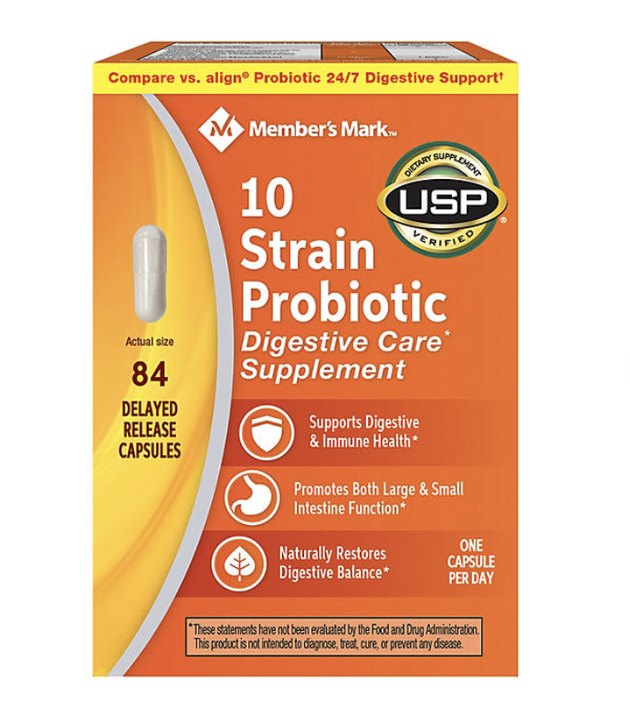
Member's Mark 10-Strain Probiotic
This probiotic delivers everything you need.
Pros
- Third-party tested
- Affordable
Cons
- Requires a Sam's Club membership
If you have a Sam's Club membership and you need a probiotic, you're in business. This multi-strain probiotic hits all the marks: It's third-party tested by USP, affordable and lists the number of live cells at the time of expiration date.
3. Garden of Life Raw Probiotics Ultimate Care
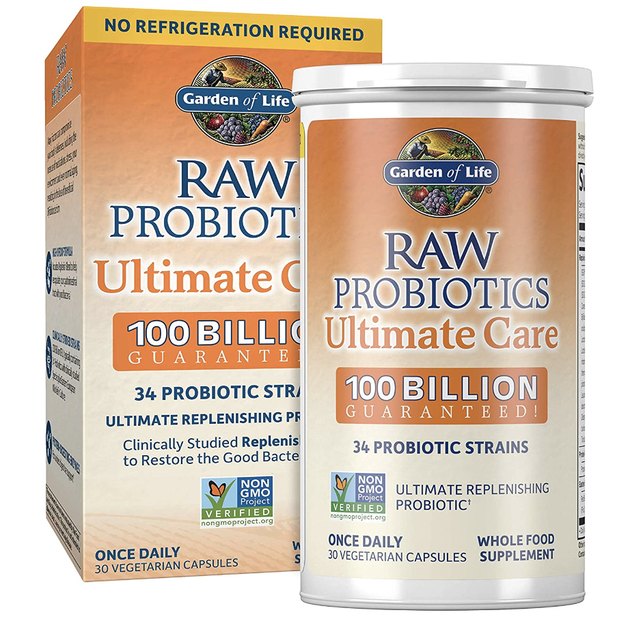
Garden of Life RAW Probiotics Ultimate Care
This whole-food probiotic comes in capsules that are easy to take.
Pros
- Third-party tested
- Whole food sources of probiotics
- Capsules can be swallowed whole or mixed into a beverage
Cons
- Contains milk
- Pricier than some other options
Garden of Life consistently gets an approval rating from Consumer Lab for quality, purity and passing the heavy metals test on many of their products, and this supplement is no different. It contains 34 different strains of probiotics and a fruit-and-veggie blend.
It does contain milk, so if you have an allergy, it's best to choose a different product.
There is no refrigeration necessary, but you do not want to store this in extreme heat.
If you have problems swallowing pills, these can be opened and taken with water or juice.
4. SmartyPants Adult Prebiotic and Probiotic Immunity Formula
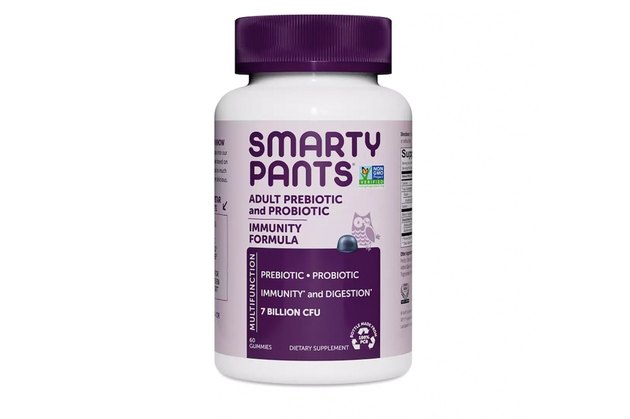
SmartyPants Adult Prebiotic and Probiotic Immunity Formula
This gummy is a solid choice if you can't take or don't like taking pills.
Pros
- Follows Current Good Manufacturing Practices
- Vegan
- Easy to take
Cons
- Contains added sugar
- Some reviewers don't like the taste
SmartyPants' adult probiotic gummy has a two-strain formula, and it's the same formula as the kids' gummy, which has been approved by Consumer Lab for safety, purity and quality.
One drawback here: You get some added sugar from this supplement, but that shouldn't be a surprise — it is a gummy, after all.
These gummies are vegan, and SmartyPants supplements are made in a certified FDA GMP facility.
5. Ritual Synbiotic+

Ritual Synbiotic+
If you follow a vegan diet, this probiotic is safe to take.
Pros
- Vegan
- Third-party tested
- Non-GMO
Cons
- Pricey
With a 3-in-1 blend of prebiotics, probiotics and postbiotics, this capsule by Ritual is sure to get your gut back on track. It has a blend of two of the most clinically studied probiotic strains (Bifidobacterium anamalis ssp. lactis and Lactobacillus rhamnosus).
It's also vegan — a great option for those avoiding animal products.
Plus, it's third-party tested, non-GMO and can be purchased as a subscription online, along with other clinically tested supplements by the brand.
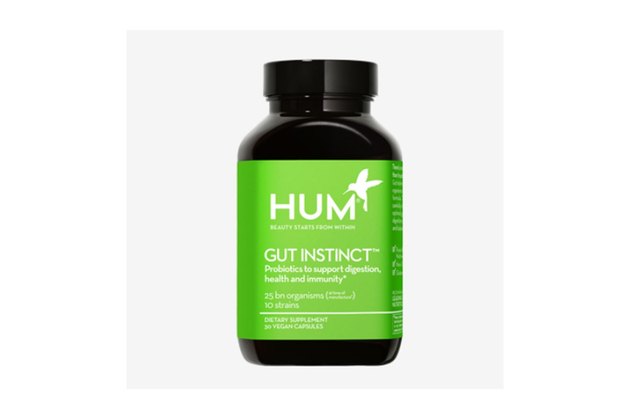
6. HUM Gut Instinct
Pros
- Can be taken on an empty stomach
- Vegan
- Non-GMO
- Third-party verified
- No artificial colors or sweeteners
Cons
- Must be refrigerated
If you are OK with the added step of sticking your probiotics in the refrigerator (which will help keep them fresh), then this product by HUM Nutrition is a great choice. It's a vegan blend made of 10 different probiotic strains for a balanced gut microbiome.
It's also non-GMO, independent lab-verified and triple tested for purity. And, there are no artificial colors or sweeteners.
The best part? You can take it on an empty stomach and not worry about pain or nausea.
7. GoodBelly Juice Drinks
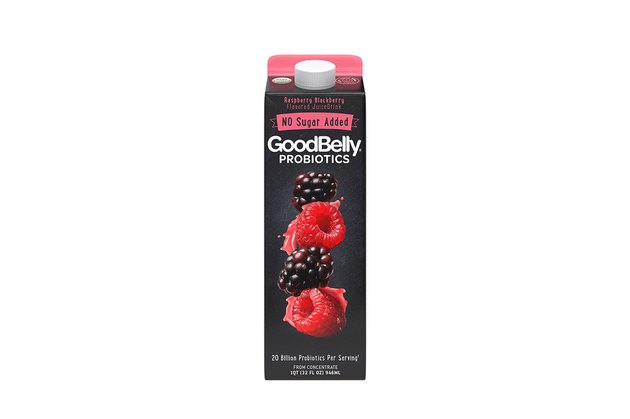
GoodBelly Probiotic Juice Drink
Drink your probiotics without getting added sugar.
Pros
- No added sugar
- Easy to take
- Does not contain dairy
Cons
- Pricey
- Some reviewers don't like the taste
- Contains gluten
Technically, this is not a supplement, but a food source of probiotics. However, it differs from the whole food sources, as the probiotic strain is added in a mixture of multiple juices. This is a great option if you aren't into supplements or fermented foods.
This is a pricier option and will run you about $1.50 per serving, but it can replace your morning juice. It contains a single-strain probiotic, lactobacillus plantarum 299V, which is common in probiotic supplements.
Choose the no-added-sugar option to keep this from becoming an unnecessary source of added sugar in your diet.


- AGA: "What is GERD?"
- Microorganisms: "Gut Microbiota and Immune System Interactions"
- Nutrients: "Gut Microbiome: Profound Implications for Diet and Disease"
- World Journal of Gastroenterology: "Beneficial Effect of Probiotics Supplements in Reflux Esophagitis Treated with Esomeprazole: A Randomized Controlled Trial"
- Gastroenterology and Endoscopy News: "Probiotics: A Review for Clinical Use"
- National Institutes of Health: "Probiotics"
Is this an emergency? If you are experiencing serious medical symptoms, please see the National Library of Medicine’s list of signs you need emergency medical attention or call 911.