


























































Fluoride is an essential trace element that helps prevent tooth decay and is commonly added to toothpastes to promote teeth health. However, many foods and drinks contain fluoride, increasing your risk of overconsuming the mineral. Fluoride toxicity can have adverse effects on your kidneys and it can also cause skeletal fluorosis in adults. Children who consume high amounts of fluoride can suffer from dental fluorosis, which develops when you consume too much fluoride from birth to age 8 when your teeth are forming. Estimating your daily fluoride intake is difficult since food labels do not typically report fluoride content.
Infant Formula
Infant formulas contain fluoride, but the levels are usually low. However, when you rehydrate the powdered formula by preparing it with tap water, this increases the fluoride levels considerably. Community water typically contains added fluoride, making your tap water a good source of the mineral. If you use tap water every time to prepare your baby formula, you may increase your child's risk of developing dental fluorosis. The CDC recommends you use bottled, de-ionized, demineralized or distilled water to make the formula occasionally.
Juices and Tea
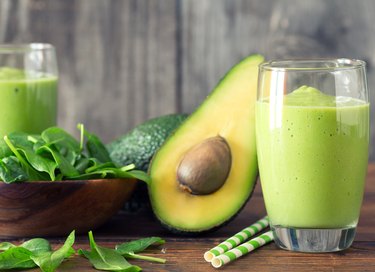
Juices are another source of fluoride, however the content varies considerably between different juices based on whether these juices are made with fluoridated or non-fluoridated water. Amounts higher than 1.5 parts per million, or ppm, of fluoride are found in some white grape, prune, pear, cranberry, red grape, mixed fruit, apple and orange juices. A study published in the “Journal of American Dental Association” in 1996 found that 19 juices had concentrations higher than 1 ppm. If you drink an 8-oz. glass of a juice with 1 ppm concentration, it will provide around 0.25 mg of fluoride. The same study found that tea is another source of fluoride. Five teas tested had 0.95 to 2.33 ppm of fluoride.
Soda
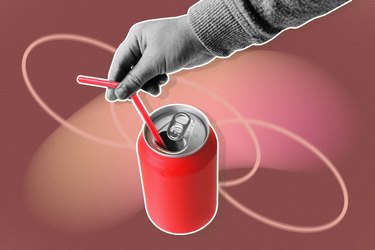
Sodas also contain varying levels of fluoride. The levels can vary from 0.02 to 1.28 ppm, depending on the brand, flavor and production site, according to a study published in the “Journal of American Dental Association” in 1999. The study showed that 71 percent of the tested drinks contained more than 0.66 ppm of fluoride. The amount of fluoride did not differ between regular or diet sodas.
Cereals
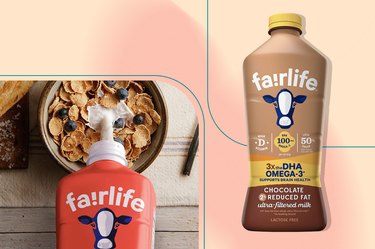
Processed cereals and baby cereals can be made with fluoridated tap water. When the water is evaporated from the food mass, the fluoride remains in the cereal. If you then use tap water to rehydrate your baby cereal, this further increases the fluoride level.
Other foods
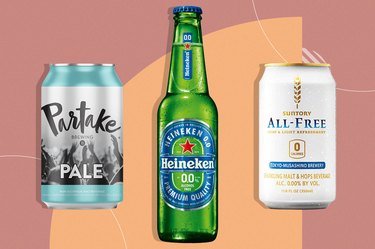
Wine, beer, mechanically separated chicken and seafood are other sources of fluoride. Although the fluoride levels in wine differ significantly, some wines can contain up to 9 ppm of fluoride, according to the Fluoride Action Network. Beer can have 0.7 ppm, fish 2.1 ppm, canned fish 4.6 ppm and shellfish 3.4 ppm. However, levels can vary considerably between different brands and based on the manufacturing locations.
Upper Intake
Adverse effects can occur if adults consume 10 mg or more of fluoride per day, according to the Council of Responsible Nutrition. The recommended upper intake level for children depends on their age and is: 0.6 mg for babies under 6 months; 0.9 mg for babies 6 to 12 months; 1.5 mg for children 1 to 3 years; and 2.2 mg for children 4 to 8 years.
References
- Centers for Disease Control and Prevention; Overview: Infant Formulas and Fluorosis; January 2011
- Council for Responsible Nutrition; Fluoride; 2004
- "Journal of American Dental Association"; Assessing Fluoride Levels of Juices and Juice-flavored Drinks; M.C Kiritsy, et al.; 1996
- "Journal of American Dental Association"; Assessing Fluoride Levels of Carbonated Soft Drinks; Judy Heilman, et al.; November 1999
- Fluoride Action Network: Sources of Fluoride


Member Comments