


































































Nutrition to Heal a Fracture

Nutrition to Heal a Fracture
Photo Credit Thinkstock Images/Comstock/Getty Images

Bone fractures can be the result of trauma, such as those sustained in a road traffic accident or a heavy fall, or they can be pathological breaks of weakened or diseased bone as you would find in osteomalacia or osteoporosis. Healthy children and adults usually heal well, but an underlying pathology, or the fragile bones of old age, can present a challenge to the clinician in terms of treatment. Good nutrition is an important factor in the long-term outcome of bone regeneration.

Vitamin D

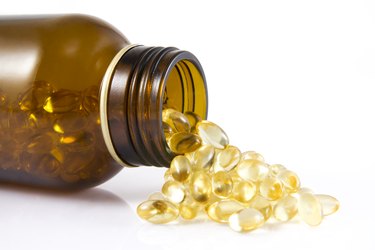
Ljiljana Bogunovic, M.D., et al., of the Hospital for Special Surgery, note that in a study conducted between 2007 and 2008, a deficiency of vitamin D was evident in 50 percent of patients due for orthopedic surgery, theoretically reducing the success rate of bone regeneration unless patients' vitamin D levels were boosted. As of 2011 the Food and Nutrition Board of the Institute of Medicine now recommends a daily allowance, or RDA, of 600 international units (I.U.), or 15 micrograms (mcg), rising to 800 I.U., or 20 mcg, after age 70, a rise of 5 and 10 mcg, respectively.

Sources of Vitamin D

Sufficient levels of vitamin D can be difficult to obtain as it is not abundant in foods. Bogunovic suggests that sunscreen blocks the levels of sunshine required for the manufacture of healthy levels of vitamin D, and that up until recently, the RDA had not been set high enough, with the result that insufficient vitamin D had been added to manufactured foods. Oily fish, fish oils, beef liver and egg yolks are good sources, as are fortified foods such as milk, margarine, cheese, yogurt, breakfast cereals and some juices.

Calcium

Calcium is an essential mineral for bone health and fracture healing. The RDA of calcium set by the FNB is currently between 1,000 and 1,300 mg for males and females between the ages of 4 to 70 and upward depending on their age. Infants need 200 mg, and an extra 60 mg from 6 to 12 months. However, Professor Heike Bischoff-Ferrari, Director of the Center on Aging and Mobility at the University of Zurich, believes that a high enough dose of vitamin D reduces the need for high doses of calcium, given that vitamin D increases the absorption rate of calcium.

Sources of Calcium

Calcium is available in in many foods such as eggs, cheese and milk, but watch your intake of dairy to limit your fat intake. Calcium is plentiful in vegetables such as kale, broccoli and cabbage, according to the National Institutes of Health, as well as in soft-boned fish such as pilchards. Whole grains and whole wheat pasta are also useful sources. Calcium absorption is reduced by some whole grains and vegetables, but if you eat a well-balanced diet you should maintain adequate calcium levels.

Additional Vitamins and Minerals

Latha Devareddy, Assistant Professor of Nutrition at the University of Arkansas, in her jointly authored article "Fruits and Bone Health," discusses the various nutrients available in fruit that contribute toward bone health and healing. Vitamin C is abundant in fruit and vegetables, and vitamin K, which works closely with vitamin D in bone regeneration, is present in high amounts in green leafy vegetables such as kale, collard greens and cooked spinach. Fruits also contain magnesium, zinc and phosphorus which work in conjunction with calcium to form new bone. Vitamin E is useful to postmenopausal women in the prevention of bone loss, and is present in whole foods such as nuts, seeds, apricots and and in fortified cereals.

References

Article reviewed by JudithT Last updated on: Sep 8, 2011

Must see: Photo Galleries

Member Comments