











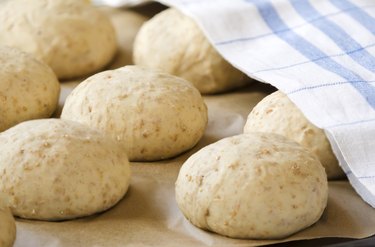













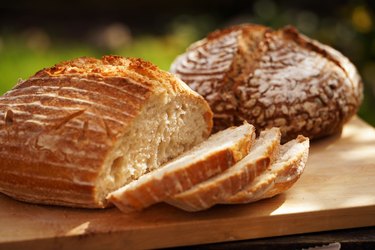










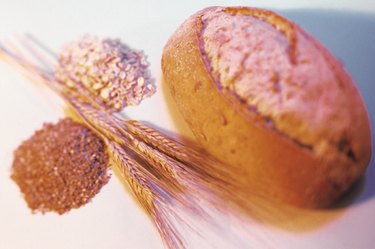









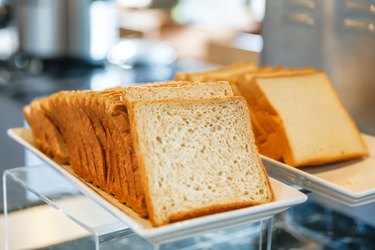










If you have an allergic reaction to sourdough bread, there are several possible causes. You might have a wheat allergy or gluten intolerance, also known as celiac disease. If you have a mold or yeast allergy, sourdough bread can also trigger a reaction. Other potential allergens include milk and soy flour, which are often ingredients in sourdough bread. It's a good idea to keep a food diary, noting any adverse reactions, to help pinpoint the cause.
Wheat Allergy
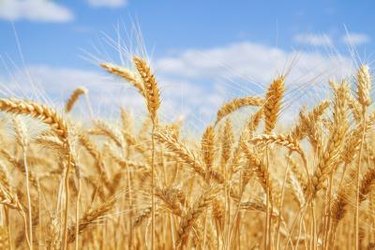
Wheat is one of the most common food allergies in children, according to MayoClinic.com, although it can develop at any age. Your immune system overreacts to proteins in wheat, and produces Immunoglobulin E, an antibody and histamine. Symptoms include swelling and itching of the mouth and throat, hives, nasal congestion and itchy watery eyes. You might also have cramps, nausea, vomiting or diarrhea. In rare cases it can cause a serious, anaphylactic reaction. If your throat swells, making it difficult to breathe, or you have a sudden drop in blood pressure or a rapid, weak pulse, seek emergency medical attention.
Gluten Intolerance or Celiac Disease
Celiac disease is a digestive and autoimmune disorder. Your immune system forms antibodies in response to gluten, a protein in wheat, and attacks your intestinal lining. This prevents your body absorbing nutrients and can lead to malnourishment. Symptoms include digestive problems, a severe skin rash, anemia or low blood count, and growth problems in children. It can lead to other problems such as osteoporosis or seizures if untreated. Although sourdough bread contains gluten, a study published in the "Clinical Gastroenterology and Hepatology" suggests some people with celiac disease can safely eat it.
Other Causes
Sourdough bread, and other breads made with a lot of yeast, can trigger a mold allergy. Symptoms are similar to other food allergies, and include wheezing, a runny nose, itchy watery eyes and a skin rash or hives. You may also be allergic to other ingredients in sourdough bread. It usually contains milk, and can contain soy flour, which are common causes of allergies.
Tests and Diagnosis
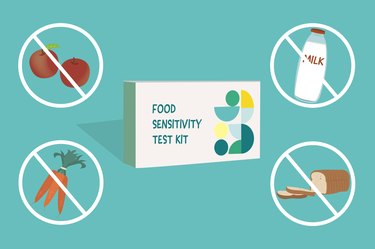
If you suspect you have a food allergy, talk to your doctor and describe your symptoms. You might be given a physical examination, skin or blood test. In a skin test, your skin is pricked, allowing a tiny amount of allergen below the surface. If you're allergic, a rash will develop. In a blood test, a sample is analyzed for antibodies, your body's response to an allergen. You might also be advised to try an elimination diet. Eliminate all suspect foods for one or two weeks, then gradually introduce them back into your diet.
Treatment
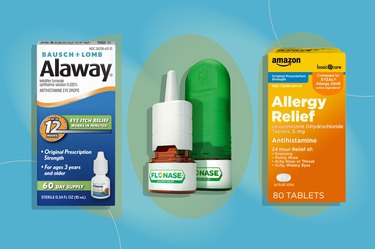
If you have a wheat or mold allergy, prescribed or over-the-counter oral antihistamines can relieve mild symptoms. If you're at risk of anaphylaxis, your doctor might prescribe an epinephrine auto-injector, such as an EpiPen, Carry this at all times and inject it into your thigh at the first sign of a serious reaction.
Prevention
Of course the best way to prevent a reaction is to avoid any potential trigger foods. Check labels carefully and ask detailed questions in restaurants. The Food and Drug Administration requires manufacturers to label products containing wheat, soy, milk and other common allergens. Many supermarkets and health food stores sell wheat and gluten-free bread, pasta and other products.
References
- MayoClinic.com: Wheat Allergy Definition; July 2011
- Cleveland Clinic: Celiac Disease; 2011
- Cleveland Clinic: Special Diets For Food Allergies; 2011
- MayoClinic.com: Wheat Allergy Symptoms; July 2011
- "Clinical Gastroenterology and Hepatology": Safety for patients with celiac disease of baked goods made of wheat flour hydrolyzed during food processing; January 2011
- MayoClinic.com: Food Allergy Tests And Diagnosis; February 2011
- MayoClinic.com: Food Allergy Treatments And Drugs; February 2011


Member Comments