








































































Neurological Side Effects of Chemotherapy

Chemotherapy is a common treatment for many cancers, and involves the use of drugs to kill cancer cells. Chemotherapy drugs target fast-growing cells, but do not differentiate between cancer cells that grow rapidly and healthy cells that grow rapidly, which causes side effects. There can be neurological side effects of chemotherapy, depending on the type of drugs used, the dosage, and how the drug affects each individual. Not everyone will experience every side effect.

Central Nervous System Effects

Some chemotherapy drugs affect the central nervous system (the brain and spinal cord) and cranial nerves, according to the American Cancer Society. These effects are not always apparent immediately; they can appear even years after treatment has ended. Effects on the central nervous system (CNS) include stiff neck, lethargy, depression, seizures, headache, confusion and fever. Effects on cranial nerves can appear as problems with vision (blurred or double vision), sensitivity to smells, problems with hearing and dry mouth.

Peripheral Neuropathy

Peripheral nerves are the nerves in your arms and legs that are involved with movement and sensation, and damage to these nerves is called peripheral neuropathy. Peripheral neuropathy symptoms typically include pain, burning and tingling in the feet and hands; balance problems and weakness; sensitivity to temperature, especially cold; numbness; and decreased reflexes. Both sides of the body are affected, and while in some people this condition is temporary, in others it can be long lasting.

Chemo Brain

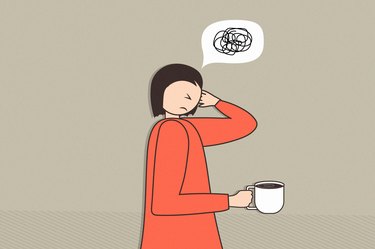
Chemo brain is a phrase that has come to describe the mental cloudiness many cancer patients and survivors have during and after chemotherapy. Some chemotherapy drugs have been found to affect the brain, and while the brain generally recovers after treatment is over, some people notice symptoms long after treatment ends. Symptoms of chemo brain include memory lapses, difficulty multi-tasking, longer processing times and difficulty focusing and concentrating. Medical professionals call this "mild cognitive impairment," according to the American Cancer Society.

References

Article reviewed by Craig Gaines Last updated on: Aug 11, 2011

Must see: Photo Galleries