











































5 Things You Need to Know About Antioxidants in Dark Chocolate

Text size:  |  Post a comment  |  Print  |   | 
Add to my favorites

1. Dark Chocolate is Sweet in More Ways than One

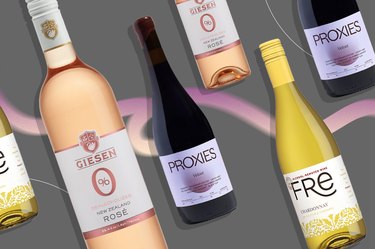
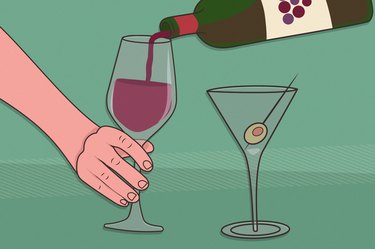
It's easy to forget that chocolate is derived from a plant since it tastes so creamy and rich. But since it does come from a plant source (the cacao plant, to be more precise) it also contains cell-protective phytochemicals, more commonly referred to as "antioxidants." Researchers have discovered that a standard dark chocolate candy bar contains about twice as much antioxidants as a glass of red wine. This undoubtedly is great news for anyone who refrains from drinking alcohol and it's pretty good news for chocolate lovers, too.

2. Hearts Love Chocolate

Maybe dark chocolates should be packaged in red heart boxes ever day of the year, not just on Valentine's Day. We now know that chocolate contains surprisingly large amounts of heart-protective antioxidants, most notably plant phenols, procyanidins and catechins. In recent studies, these compounds have been shown to increase HDL (good) cholesterol, reduce blood clots that can cause heart attacks and strokes and may even lower blood pressure. As an added bonus, the phytochemicals in chocolate may also prevent cancer.

3. All Chocolates are Not the Same

Dark chocolate is a combination of chocolate liquor (derived from the processing of cocoa beans), cocoa butter and sugar. Milk chocolate has the same ingredients, but milk or cream is added to the mix. While many people prefer the taste of milk chocolate to dark, it's important to note that milk may actually decrease the antioxidant activity that chocolate normally provides. For this reason, it's also recommended that you don't consume dark chocolate alongside a glass of milk. Incidentally, white chocolate is actually not considered to be a true chocolate, as it does not contain chocolate liquor.

4. Don't Go Too Loco for Cocoa

It's not ideal to forgo eating other antioxidant-rich foods, like fruits and vegetables, now that you know dark chocolate can be healthy for you. With added ingredients like fat and sugar, chocolate tastes as rich as it does for a reason. A typical 1.5-ounce chocolate bar contains about 210 calories and 13 grams of fat, some of which is saturated (the type of fat that can clog your arteries). It's wise to consume chocolate in moderation, or you'll actually increase your risk for heart disease simply by packing on the pounds. When you do decide to grab a chocolate bar, look for one containing 70 percent or more cocoa solids.

5. Cocoa Powder and Antioxidants

Since consuming chocolate bars on a daily basis might not be the best way to get those antioxidants, you may be thinking of other ways to get more dark chocolate into your diet. While natural cocoa powders contain the most amounts of phytochemicals in a cocoa product, Dutch-processed cocoa powder is actually not a very good source of antioxidants. Alkalinization causes this type of chocolate source to lose some of its procyanidins. It's best to seek out more natural cocoa powders for baking purposes.

About this Author

Linda Feingold, MEd, MS, RD is a New York City-based registered dietitian and exercise physiologist. Her graduate degrees are from New York University and Columbia University. Born with a passion for writing, Linda has written many articles on various nutrition and fitness topics for several websites and nationally published magazines.

Last updated on: 11/18/09

Member Comments

0 down up

by erica_t on October 24, 2009 at 5:39 PM

Dark chocolate (in small doses) is beneficial to your health. It can help protect your heart against heart disease. Read my blog if you want to find out more benefits about dark chocolate!

http://fitnessbuff1.wordpress.com/

Tools

Track your daily calories. See how many calories you burn and consume.

BMI is a measurement of body fat based on height and weight.

Map your local running, cycling, walking and hiking routes and track your calorie burn.

Find us on the web, receive emails and use our mobile app to keep you motivated.

This tool will help you to decide whether to treat at home or see a doctor.