


































































4 Ways to Juice Vegetables

4 Ways to Juice Vegetables

1. Less Chewing With Juicing

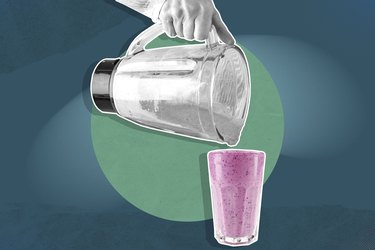
Juicing vegetables makes it easier for the body to absorb the entire nutrients of the vegetables. The whole process literally pre-digests the vegetables and the nutrition goes into the body not down the toilet. Because you consume more vegetables by juicing them, you expand your choices of vegetables to add to your daily diet, which means you consume the optimum amount of vegetables. You also save time by not having to chew all those vegetables, which is rather difficult, compared to a prompt glass of vegetable juice.

2. Drink Fresh Juice Immediately

Ideally, you need to drink vegetable juice immediately after juicing. The longer you wait, the more nutrients the juice loses. Vegetable juice is very perishable. However, if you feel you need to juice vegetables in advance, store it properly up to 24 hours to curb the nutritional loss. The best way to store the juice is to pour it into an airtight, opaque container and fill it to the top to prevent air and light from getting in the container. Then place the container in the refrigerator. Remember, air oxidizes juice and the light takes the nutrients out of the juice.

3. Best Vegetables for Juice

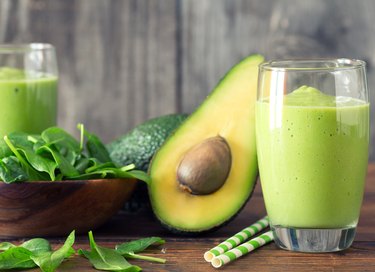
The best vegetables to juice for nutritional value are the green leafy vegetables, yet the taste buds and stomach will most likely reject them at first. Hence, start with more tolerable vegetables like celery, cucumbers and fennel, which are a great combination for taste and digestion. When you feel comfortable with this combination, then start adding healthier vegetables like lettuce, spinach, kale and cabbage. You can even add a little parsley and cilantro. You might think that carrots and beets are the best vegetables to juice but not so. Carrots and beets both have very high sugar levels, which is not good because, like fruit juices, they raise the body's insulin levels.

4. Prepare to Juice

Green leafy and root vegetables stay fresh for juicing if used within two days after preparing them and they are stored properly. To start, you need to clean the leafy vegetables. This requires soaking them in filter water, so all the grit sinks to the bottom of the sink. Then, remove the leaves, clean the sink and soak them one more time. Check for grit to make sure all of it has been removed. Root vegetables require a vegetable scrubber and elbow strength to get the grime off. Once the vegetables are clean, then cut them into sizes that fit your juicer. If you are juicing chard, you need to remove the leaves from the stalk before juicing. Do the same for spinach if there's a lot of extra stalk. Now, place the vegetables in an airtight container and store them in the refrigerator for your next juicing experience.

Last updated on: Nov 18, 2009

Must see: Photo Galleries

Member Comments