




































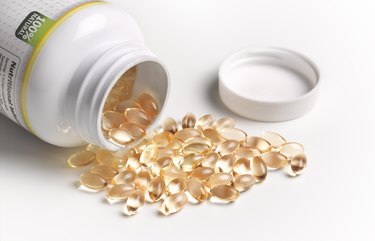



































Vitamins for Broken Bones

Vitamins for Broken Bones
Photo Credit BananaStock/BananaStock/Getty Images

Specific nutrients can be especially healthy when recovering from a broken bone. Calcium and vitamin D are supreme when it comes to building, improving and maintaining bone health, but they don't act alone. Other vitamins, minerals and amino acids help our bodies boost calcium absorption. Other nutrients are also important for maintaining bone and tissue health through the years.

Vitamin D

Vitamin D is important because it helps us absorb calcium. Adults who chronically get too little calcium are at risk for developing osteomalacia, a softening of bones. This deficiency greatly increases their risk for many types of fractures.

A University of Zurich study reported in the Archives of Internal Medicine found that vitamin D supplementation can cut the risk of bone fractures by as much as 20 percent. Dr. Bischoff-Ferrari evaluated 12 clinical trials involving vitamin D supplementation in adults 65 and older. In total, the research team pooled findings from double-blind trials involving more than 42,000 participants. They found that vitamin D supplementation was associated with a 14 percent decrease in the risk for non-vertebral fractures and a 9 percent decrease in risk for hip fractures.

They also found that higher doses resulted in less likelihood of fractures than lower doses. A dose of 400 international units a day may cut hip fractures by 18 percent and non-vertebral fractures by 20 percent.

Calcium

Calcium is crucial for healthy bones and teeth, and to heal broken bones. Cigarettes, alcohol and caffeine can all deplete calcium levels and hinder recovery from broken bones. Diets that are high in fat, salt and sugar also increase the loss of calcium. Phosphorus, found in sodas, is another common calcium enemy.

Nutrients for Calcium Absorption

Lysine is an amino acid that provides calcium absorption and tissue regeneration. This makes it a natural choice for nutritional therapy for treating bone breaks. Lysine is also important in forming muscle protein. Foods that contain significant amounts of lysine are yeast, soy products, milk and fish.

Silica is a mineral that helps repair damaged tissue. It also helps the body absorb calcium, and can speed bone fracture recovery. The same is true for magnesium.

Vitamin C

Vitamin C strengthens bones and connective tissue, and plays a role in healing bone fractures and other wounds.

Vitamin K

Also known as menadione, vitamin K helps the body produce healthy blood clots. Vitamin K also is important in bone formation and osteoporosis prevention.

References

Article reviewed by Anton Alden Last updated on: Jun 15, 2011

Must see: Photo Galleries