






































































Cervical Stenosis Signs & Symptoms

Cervical Stenosis Signs & Symptoms
Photo Credit spine x-ray image by Julianna Olah from Fotolia.com

The vertebra in your spine are hollow in the center to allow nerves to pass through. If this space in the neck and upper spine begins to narrow, you may be diagnosed with cervical stenosis. Since nerves that control many bodily functions pass through the vertebra in the neck, this condition can compress the nerves. This can lead to a variety of symptoms. Cervical stenosis can be the result of normal wear and tear with age or due to an injury or trauma to the neck.

Neck Pain

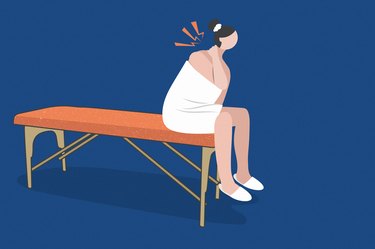
According to the Princeton Brain and Spine Care center, the most common symptom of cervical stenosis is neck pain. Depending on the severity of your condition, the pain may be mild or severe. It can feel like a dull ache or be a sharp and stabbing pain. In some cases you will also experience a numbness, tingling or burning sensations in the neck. If the nerves are compressed enough, these sensations may radiate into the shoulders, arms or hands. You may find that your pain is worse when you move your head in specific directions.

Weakness

You may also develop weakness in your arms or hands. You may have a hard time gripping or holding onto objects. In severe cases, weakness can also involve your legs and feet, making it tough to walk and maintain balance. Sometimes the first sign of a problem is when you constantly drop objects or needing to hold on while you walk. If your condition compresses the nerves that control the bowels or bladder, you may have difficulty controlling your ability to pass stools or urinate. The University of Virginia School of Medicine states that all cases of cervical stenosis are different. In some cases, the symptoms remain mild and never require treatment. In other cases, the symptoms can become so severe that you may need surgery to relieve the pressure on the nerves.

Paralysis

In severe cases where the nerves are almost completely compressed, you may develop paralysis in the arms or legs. The New York University Hospital claims that the muscles in the arms and legs may also become tight and prone to spasms. Your doctor can perform a physical exam and take scans to help confirm a diagnosis. According to the North American Spine Society, the earlier you seek treatment, the better your chances of a positive outcome.

References

Article reviewed by Carrie Last updated on: Mar 23, 2010

Must see: Photo Galleries