











































Proper nutrition can be crucial to heart health, because some foods are bad for your heart, and some can be helpful. Eating right may mean eating less fat and fewer calories, but it doesn't mean losing out on flavor or the enjoyment of a good meal. Amateur cooks and dietitians make amazing substitutions--and some food manufacturers are catching on, too. In general, a heart-healthy diet is low in fat, salt and cholesterol and high in fiber.
Baking
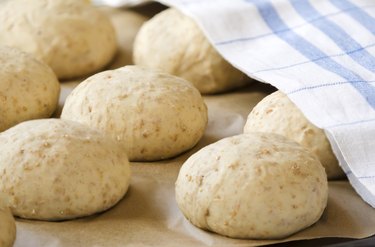
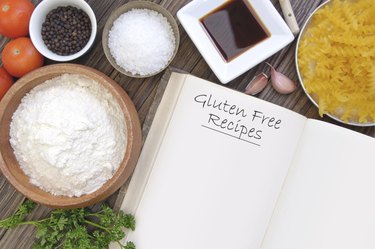
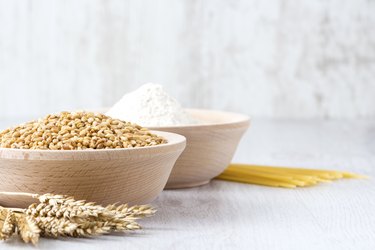
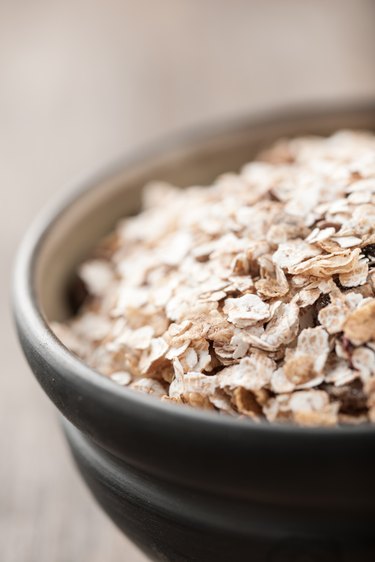
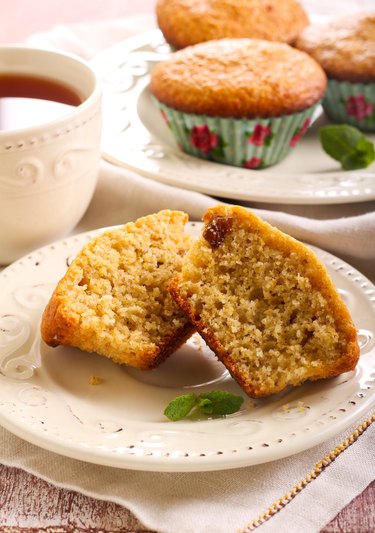
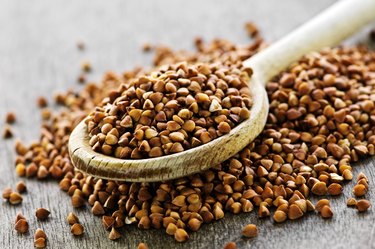
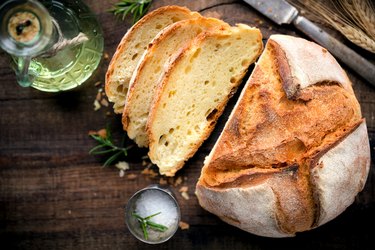
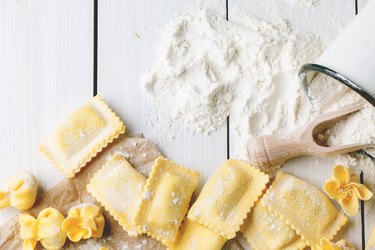
Baking with whole grains, rather than all-purpose white flour, can add fiber to your diet, and high-fiber diets have been proven to reduce the risk of heart attack and other cardiovascular diseases. Substitute half of the flour your recipe calls for with whole wheat flour.
You can also boost the level of omega-3 essential fatty acids in your diet by adding crushed flaxseeds to your muffin mixes. Omega-3 fatty acids are important for regulating blood pressure.
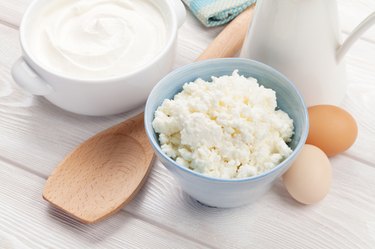
When a recipe calls for sour cream, you will hardly notice the difference if you use fat-free yogurt or fat-free sour cream instead. Sometimes, cottage cheese will work.
For banana breads and other sweet breads, replace at least half of the oil with applesauce, pureed plums or prunes or canned pumpkin. Yeast breads and pie crusts, however, require the real oil.
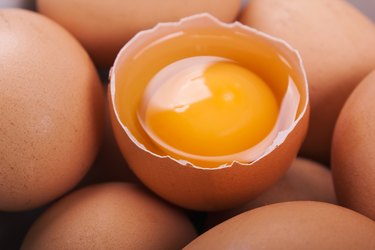
Because whole eggs contain high levels of cholesterol, which can cause cardiovascular disease, trade at least some of the eggs in a recipe with egg whites or egg substitute. Two egg whites equal one whole egg.
For frostings that call for butter or margarine, use marshmallow creme instead. It does not have the fat or cholesterol of butter or margarine, and it will give your frosting a thicker consistency.
Cooking
Because butter, lard and pan drippings have been identified as having the potential to increase the risk of heart disease, switch to a monounsaturated or polyunsaturated fat for cooking. Your best choices: olive or canola oil. But remember, oil provides 100 calories in 1 tbsp.--use it in moderation.
For stir-fry meals, use stock rather than oil. For soups and sauces that call for cream, try yogurt or evaporated fat-free milk instead.
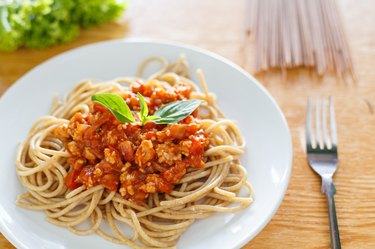
White meat turkey and chicken are lower in fat than red meats, and their ground versions can often be substituted for ground beef in recipes.
If a recipe calls for salt, you can usually reduce or eliminate it without repercussion. To add taste, turn to herbs and spices.
At the Table
Persistently high levels of sodium in the blood can lead to high blood pressure and heart failure. So, substituting fresh herbs and milled spices is a healthier way to add flavor to your food. Basil, cumin and cinnamon make good flavoring for vegetables. And, products such as Mrs. Dash provide no-salt flavoring.
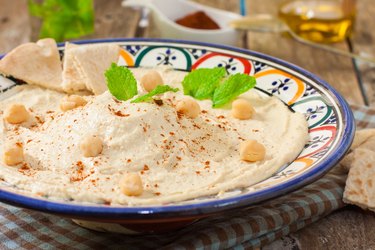
Because dips often are high in fat, try hummus instead. It's great for dipping vegetables, or for spreading on crackers.
Skip mayonnaise and any "special sauces" in favor of lower-fat mustard or ketchup. But even those, eat sparingly because sodium levels can still be high.
References
- "Nutrition for Life, The No-Fad, No-Nonsense Approach to Eating Well and Reaching Your Healthy Weight"; Lisa Hark, RD, and Dr. Darwin Deen; 2005
- U.S. Department of Health and Human Services: Tips for Healthy Substitutes
- AHealthyMe: Heart-Healthy Cooking with Recipe Substitutions


